
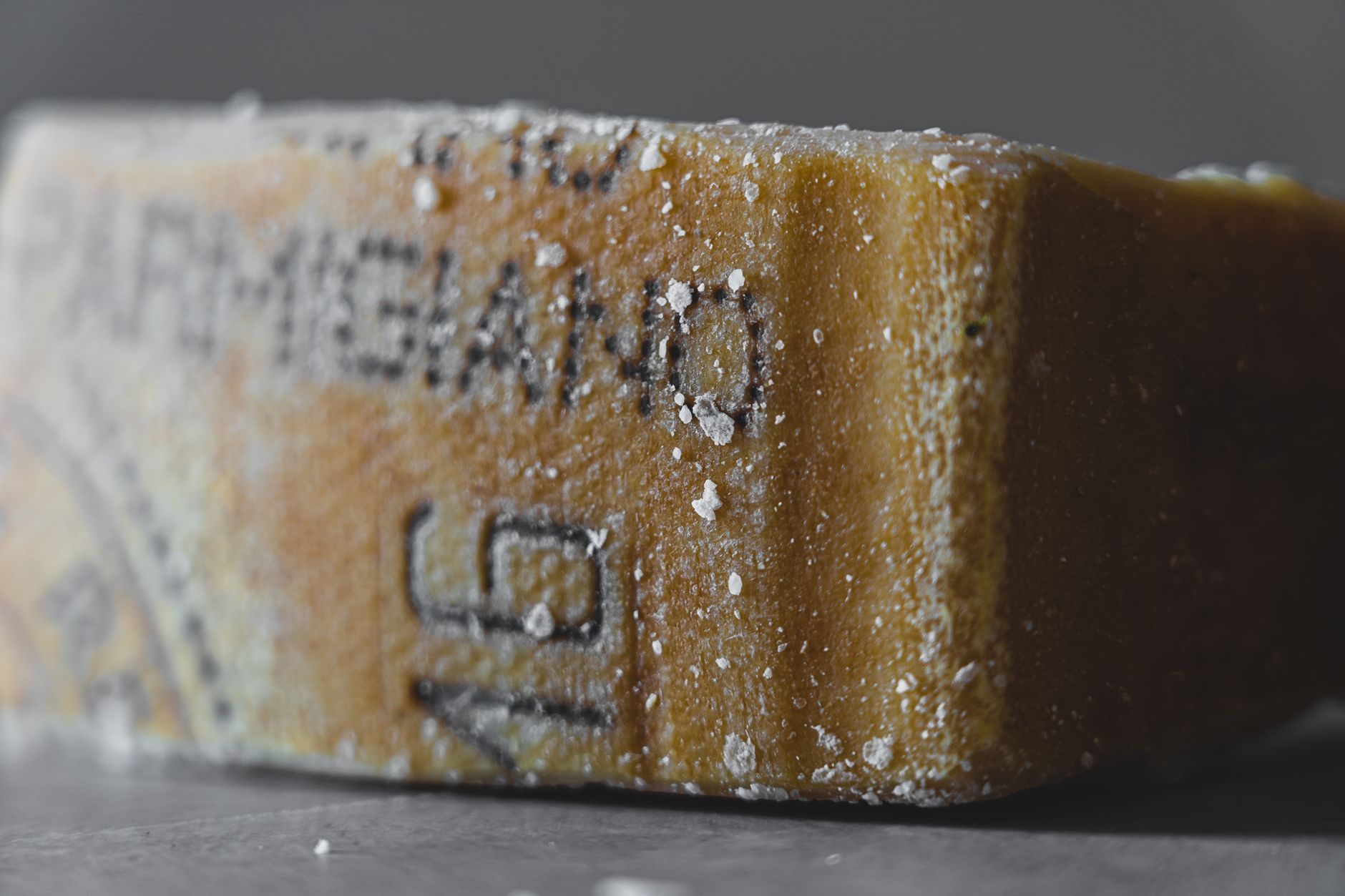
Parmesan cheese is a popular cheese known for its strong flavor and versatility in various dishes. For those following a low FODMAP diet, it’s essential to understand its nutritional profile and how it fits into meal planning. This article explores whether Parmesan cheese is indeed low FODMAP, its nutritional benefits, and practical tips for incorporating it into your diet.
We will cover the flavor profile and texture of Parmesan, serving tips, potential substitutions, and additional guidance on meal planning while adhering to low FODMAP principles. Let’s dive in!
Is Parmesan Cheese Low FODMAP?
Yes, Parmesan cheese is considered low FODMAP in moderate servings. It is made from cow’s milk and contains minimal lactose, making it suitable for many people who need to limit their FODMAP intake.
Understanding FODMAPs
FODMAP stands for fermentable oligosaccharides, disaccharides, monosaccharides, and polyols. These are short-chain carbohydrates that some people may find difficult to digest, leading to symptoms like bloating, gas, and abdominal pain.
For those with sensitivities to FODMAPs, it’s crucial to identify foods that are high and low in FODMAP content. The low FODMAP diet was developed to help people manage symptoms of irritable bowel syndrome (IBS) and other digestive issues. Following this diet can significantly improve quality of life for many individuals.
Nutritional Profile of Parmesan Cheese
Parmesan cheese is not just low in FODMAPs; it’s also packed with nutrients. Here’s a breakdown of its nutritional components per 28 grams (about one ounce):
- Calories: 110
- Protein: 10 grams
- Fat: 7 grams
- Carbohydrates: 1 gram
- Calcium: 331 mg (approximately 33% of the Daily Value)
- Sodium: 430 mg
This rich nutrient profile, especially in protein and calcium, makes Parmesan a valuable addition to a balanced diet, providing several health benefits.
Flavor and Texture of Parmesan Cheese
Parmesan cheese, known for its nutty, savory flavor, has a hard texture that becomes granular with aging. Its rich umami taste is perfect for adding depth to various dishes, whether it’s grated over pasta, blended into sauces, or used in salads.
Practical Tips for Serving Parmesan Cheese
Incorporating Parmesan cheese into your meals can be easy and versatile. Here are some serving suggestions:
- Grated or Shredded: Use it on pasta dishes, salads, or soups for added flavor.
- Chunk or Shaved: Serve as part of a cheese platter or alongside fruits like pears and figs.
- Blended: Incorporate into sauces, like Alfredo, to provide creaminess and flavor.
When buying Parmesan, look for real Parmigiano-Reggiano for the best quality and taste. These cheeses have stricter aging and production standards, yielding a richer flavor.
How to Use Parmesan Cheese in Low FODMAP Meal Planning
Integrating Parmesan cheese into a low FODMAP diet can be accomplished with creative meal planning. Here are some meal ideas that highlight its flavor without exceeding FODMAP limits:
Breakfast
- Omelette with Parmesan: Whip up an omelette using eggs, spinach, and a sprinkle of Parmesan cheese for breakfast.
- Parmesan and Spinach Frittata: Combine eggs, spinach, and Parmesan in a frittata for a filling morning meal.
Lunch
- Quinoa Salad: Mix cooked quinoa with chopped vegetables, a handful of Parmesan, and a light vinaigrette.
- Cauliflower Soup: Blend roasted cauliflower with stock and sprinkle Parmesan to enhance its flavor.
Dinner
- Pasta Primavera: Toss gluten-free pasta with sautéed vegetables and a generous serving of grated Parmesan.
- Grilled Asparagus: Drizzle asparagus with olive oil and sprinkle Parmesan before grilling.
Substitutions and Variations
If you want to switch things up or are looking for alternatives to Parmesan cheese, consider these substitutions:
- Pecorino Romano: A saltier cheese with a slightly different flavor profile. Use in the same quantities as Parmesan.
- Grana Padano: Similar to Parmesan but with a milder flavor, making it a great substitute in various dishes.
- Nut-based Cheese: For a dairy-free option, try nut-based cheeses that mimic the flavor of Parmesan. Use them sparingly, as they can sometimes be higher in FODMAPs depending on the ingredients.
These alternatives can enhance your meals if you’re looking for variability or dietary preferences. Adjust your seasoning accordingly, as these substitutes may differ in saltiness and flavor complexity.
Common Mistakes and Troubleshooting
When cooking with Parmesan cheese, common mistakes can include:
- Using pregrated cheese: Pregrated cheese may contain anti-caking agents that affect melting and texture. It’s best to grate cheese fresh when possible.
- Too Much Cheese: While Parmesan enhances flavor, overusing it can overpower a dish. Start with a small amount and adjust to taste.
If you find a dish is too salty with cheese, balance it with a touch of acid like lemon juice, or pair it with milder ingredients to round out the flavors.
Storage Tips for Parmesan Cheese
Proper storage helps preserve the quality of Parmesan cheese:
- In the Refrigerator: Store wrapped in parchment paper, then in an airtight container to maintain moisture balance.
- Freezing: While not ideal for texture, Parmesan cheese can be frozen. Grate it before freezing for easy use later.
Always check for signs of spoilage, such as an off odor or mold, before use. Parmigiano-Reggiano may develop crystals over time, which is natural and adds to its texture.
Conclusion
Parmesan cheese can be a flavorful and nutritious addition to a low FODMAP diet, offering a range of culinary possibilities. Its low lactose content, high protein, and calcium make it a wise choice for many. From breakfast omelets to dinner salads, it adds a delicious umami flavor to your meals.
Next time you’re meal prepping, consider how you can use Parmesan cheese in a variety of dishes to enhance taste while still being mindful of your dietary needs. Explore other recipes like whipped ricotta or Alfredo sauce with cream cheese for further inspiration!