
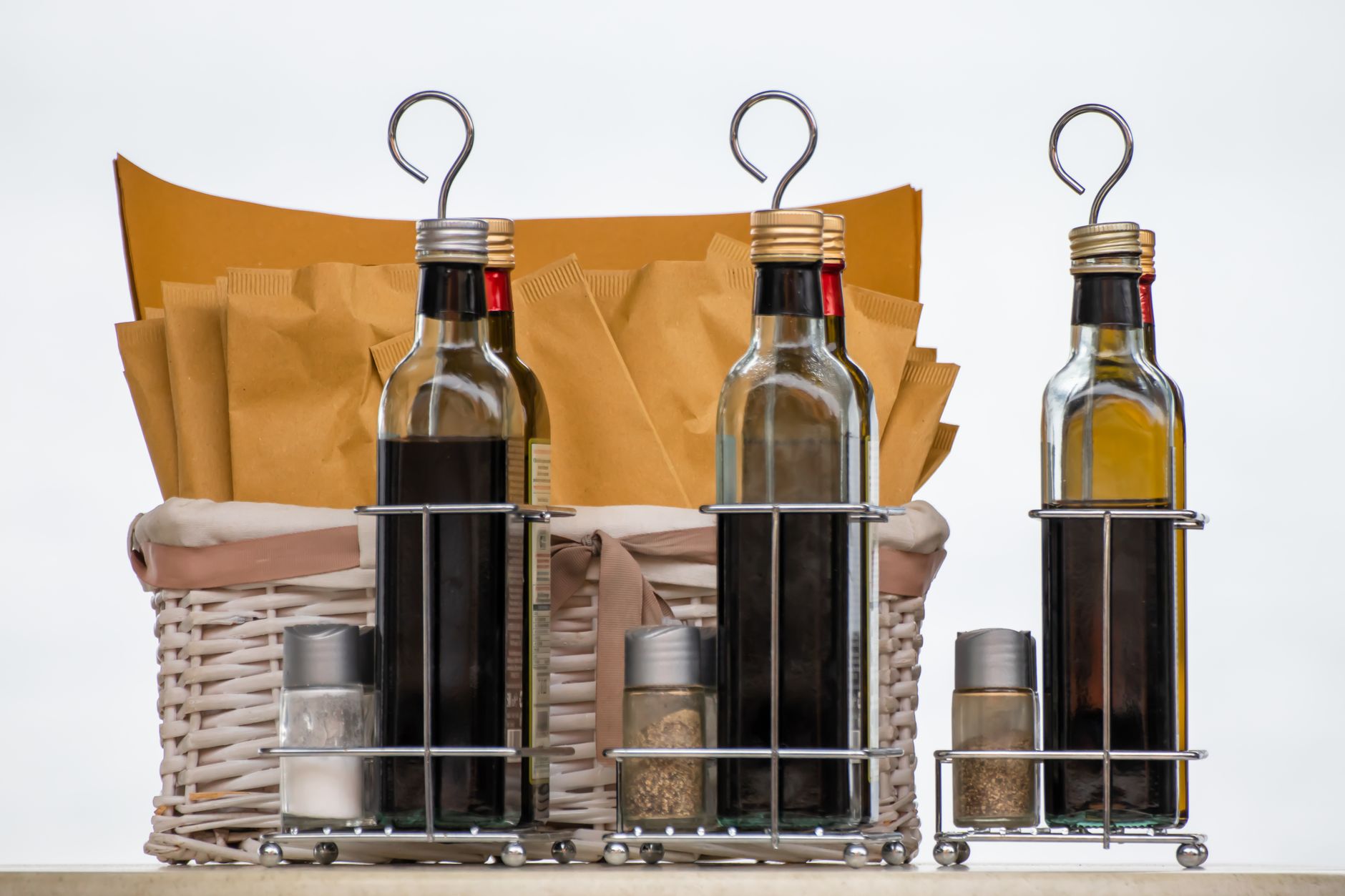
White vinegar is a versatile ingredient commonly found in kitchens worldwide. Used for cooking, cleaning, and pickling, it’s known for its strong flavor and acidity. However, as with many pantry staples, questions arise about its shelf life and whether it ever goes bad.
This article explores various aspects of white vinegar, focusing on its storage, potential spoilage signs, and overall longevity. Whether you’re a cooking enthusiast or someone looking to make the most of your pantry, this guide will help you understand everything you need to know about white vinegar.
Does White Vinegar Go Bad?
White vinegar does not spoil in the traditional sense due to its high acidity, which prevents the growth of harmful bacteria. However, it can lose potency over time and develop changes in flavor or appearance. With proper storage, white vinegar can last indefinitely, though it’s usually best used within five to ten years for optimal quality.
Understanding White Vinegar
White vinegar, also known as distilled vinegar, is made from the fermentation of grain alcohol. This process leads to a highly acidic liquid, typically containing 4-7% acetic acid. Its sharp flavor and strong aroma make it a staple in various culinary applications, including salad dressings, marinades, and sauces.
In addition to its culinary uses, white vinegar is often employed for household cleaning, as its acidity is effective in breaking down grime and killing bacteria. Its versatility is one reason why many people keep a bottle on hand at all times.
Storage Guidelines for White Vinegar
Proper storage can significantly extend the shelf life of white vinegar. Here are some tips for maintaining its quality:
- Keep it sealed: After use, ensure the cap is tightly sealed to prevent contaminants from entering.
- Store in a cool, dark place: A pantry or cupboard away from heat sources and sunlight is ideal.
- Avoid temperature fluctuations: Strive to keep the temperature consistent, as sudden changes can affect the quality.
Signs of Spoilage
While white vinegar generally doesn’t spoil, it may exhibit signs that indicate its quality is diminishing. Here are some things to watch for:
1. Changes in Appearance
Check for any cloudiness in the vinegar. White vinegar should be clear. Any cloudiness may indicate contamination or the presence of sediment, which could impact its flavor.
2. Off Odors
Although white vinegar has a strong, sharp aroma, it should not smell rotten or unpleasant. An off smell can indicate spoilage or contamination.
3. Altered Flavor
Taste a small amount of the vinegar. If it tastes significantly different—less sharp or more muted than before—it might be time to replace it.
Does White Vinegar Have an Expiration Date?
White vinegar has a shelf life rather than an expiration date, meaning that it’s safe to consume after its best before date. When stored properly, many manufacturers note that white vinegar can last indefinitely. However, for the best culinary experience, using it within five to ten years is often recommended.
Using White Vinegar Beyond Cooking
White vinegar’s acidity also makes it a favorite for various household uses beyond the kitchen:
- Cleaning: It can effectively clean surfaces, windows, and appliances thanks to its antibacterial properties.
- Deodorizing: White vinegar can neutralize odors in your home, making it useful in areas such as the fridge, trash cans, and carpets.
- Fabric Softener: Adding a cup of white vinegar to your laundry rinse cycle can soften clothes and reduce static cling.
Creative Recipes Using White Vinegar
White vinegar can elevate many recipes, from tangy dressings to marinades. Here are a few ideas:
1. Classic Vinaigrette
This simple dressing is perfect for salads and vegetables. Its sharp taste complements many fresh ingredients.
- Ingredients:
- 1/4 cup white vinegar
- 3/4 cup olive oil
- 1 teaspoon Dijon mustard
- 1 teaspoon honey or sugar
- Salt and pepper to taste
- In a small bowl, whisk together the white vinegar, mustard, and honey until well combined.
- Slowly drizzle in the olive oil while whisking continuously to create an emulsion.
- Season with salt and pepper to taste.
- Serve immediately or store in the refrigerator for up to a week.
2. Pickled Vegetables
Homemade pickles are a fantastic way to preserve garden vegetables.
- Ingredients:
- 2 cups white vinegar
- 1 cup water
- 1 tablespoon salt
- 1 tablespoon sugar
- Spices (like peppercorns, garlic cloves, dill) of your choice
- Vegetables (carrots, cucumbers, onions, etc.)
- In a saucepan, combine the white vinegar, water, salt, and sugar. Heat until the salt and sugar dissolve.
- Pack your vegetables tightly into clean jars and add spices.
- Pour the hot vinegar mixture over the vegetables, making sure they are fully submerged.
- Seal the jars and let them cool to room temperature before refrigerating. They will be ready to eat in a few hours but taste better after a week.
3. Marinade for Meats
Using white vinegar in marinades helps tenderize meats and infuse flavor.
- Ingredients:
- 1/2 cup white vinegar
- 1/2 cup soy sauce
- 1/4 cup olive oil
- 1 tablespoon garlic powder
- 1 teaspoon black pepper
- 1/2 teaspoon salt
- 1 pound of chicken or beef
- In a bowl, mix the white vinegar, soy sauce, olive oil, garlic powder, black pepper, and salt.
- Add the meat, ensuring it’s well coated in the marinade.
- Cover and refrigerate for at least one hour, or overnight for best flavor.
- Cook as desired, discarding the marinade.
White Vinegar Substitutions
If you find yourself out of white vinegar, there are several suitable substitutes you can use depending on the recipe:
- Apple Cider Vinegar: A commonly used alternative that has a slightly fruity flavor, making it great for dressings and marinades. Use a 1:1 ratio.
- Lemon Juice: Offers a similar acidity; however, it may alter the flavor profile. Substitute 1 tablespoon of lemon juice for every tablespoon of white vinegar.
- Rice Vinegar: Milder than white vinegar and can be used in dressings. Replace it in equal parts.
- Balsamic Vinegar: This will give your dish a sweeter flavor; use it sparingly and adjust quantity based on taste.
Common Mistakes with White Vinegar
Here are some common pitfalls when using white vinegar in cooking and how to avoid them:
- Using too much: Its strong flavor can overpower dishes quickly. Start by adding a small amount and taste before adding more.
- Confusing it with other vinegars: Each type of vinegar has its unique flavor profile. Ensure you use the correct variety called for in a recipe.
- Not storing correctly: Always reseal your bottle after use and store it in a cool, dark place to maintain its quality.
Conclusion
White vinegar is a long-lasting and versatile pantry staple that offers multiple culinary and household benefits. With proper storage, it can remain safe and effective for many years. By understanding its uses, storage practices, and identifying signs of spoilage, you can make the most of this ingredient and enhance your cooking experience.
Ready to explore more about food storage and ingredient lifespans? Check out our articles on whether chia seeds go bad and how long cottage cheese lasts after opening.