
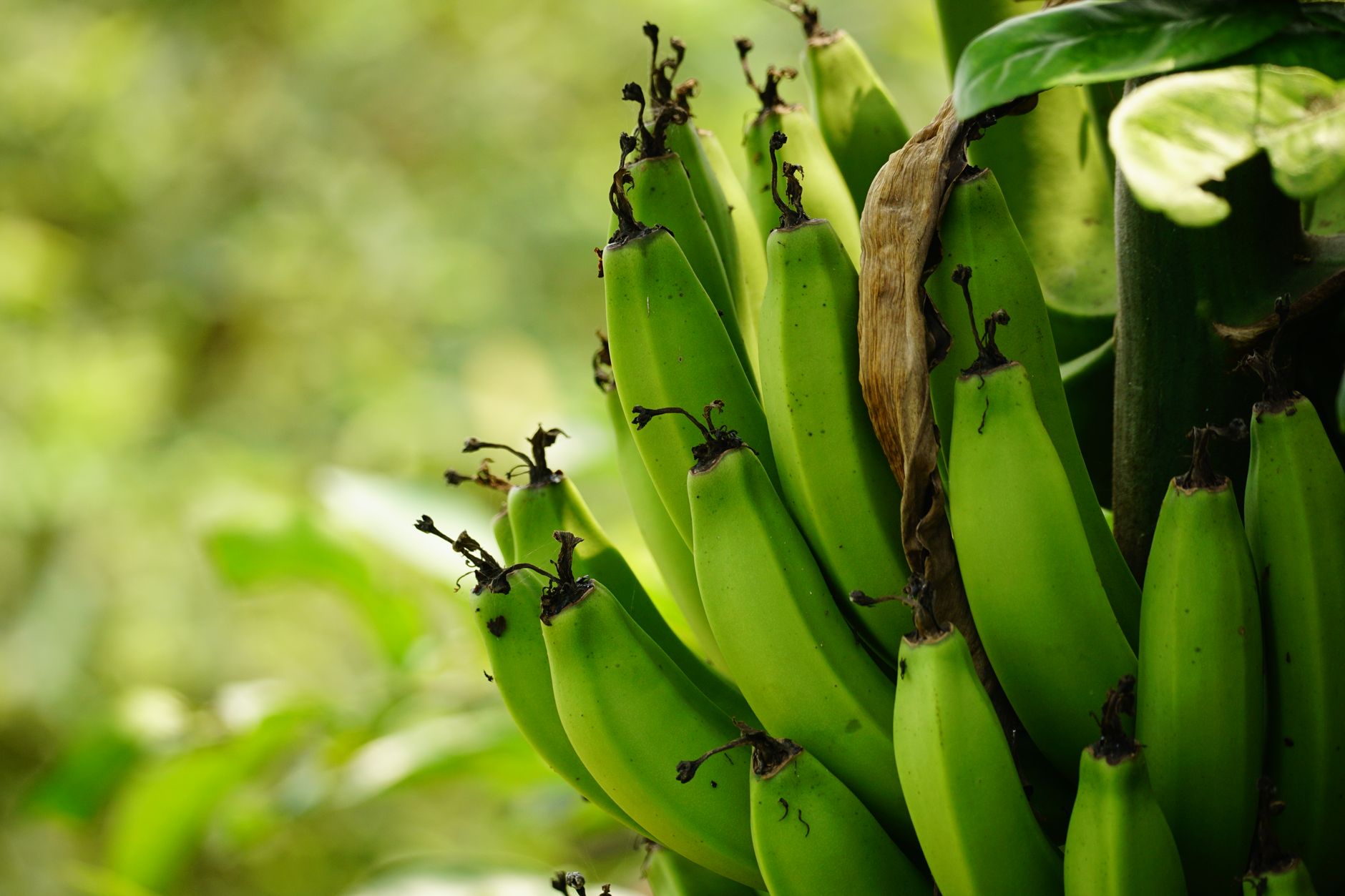
Bananas are one of the most popular fruits in the world, favored for their convenient packaging and sweet taste. But where do these tropical delights come from? Understanding the origins of bananas not only enhances your appreciation for them but also informs better purchasing and storage choices.
This article will explore the history, cultivation, variety, and transportation of bananas, providing a comprehensive overview of where bananas come from and what to consider when buying and storing them.
Where Do Bananas Come From?
Bananas originate from Southeast Asia and are now grown in tropical regions globally. They thrive in warm climates, requiring well-drained soil and consistent rainfall. Understanding their journey from farm to table is essential for appreciating this beloved fruit.
The History of Bananas
The banana plant (Musa spp.) has a rich history, with cultivation dating back over 7,000 years. Initially found in regions such as Malaysia, Indonesia, and the Philippines, bananas spread throughout Asia and the Pacific. By the 15th century, they had made their way to Africa, thanks to Arab traders.
When Christopher Columbus arrived in the Americas in the late 15th century, he introduced bananas to the Caribbean, which eventually led to their cultivation in Central and South America. Today, bananas are grown in over 135 countries, adapting to various climates and altitudes.
Types of Bananas
There are over 1,000 varieties of bananas worldwide. However, most of the bananas consumed globally fall into two main categories: dessert bananas and cooking bananas.
- Dessert Bananas: The most common type is the Cavendish banana, which is sweet and readily available in grocery stores.
- Cooking Bananas: Also known as plantains, these bananas are starchier and often cooked before consumption. They are used extensively in Caribbean, African, and Asian cuisines.
Cultivation Practices
Bananas require specific growing conditions to thrive. Here’s an overview of the farming practices and environmental factors involved in banana cultivation.
Climate and Soil
Bananas thrive in tropical climates, preferring temperatures between 78°F and 86°F (26°C to 30°C). They require rich, well-draining soil with a pH of around 5.5 to 7.0. Consistent rainfall, ideally between 40 to 100 inches annually, helps support healthy growth.
Growing Cycle
The banana growth cycle typically takes about 9 to 12 months from planting to harvesting. Here’s a brief breakdown of the stages:
- Planting: Select healthy and disease-free banana suckers and plant them in rows, allowing adequate space for growth.
- Growth: The plants grow tall, producing large leaves and eventually forming a flower cluster known as the “pseudostem.” The flowers develop into clusters of fruit.
- Harvesting: When the bananas begin to change color, they are harvested. Green bananas are picked to allow for ripening during transportation.
Harvesting Techniques
Harvesting bananas is both manual and strategic. Workers carefully cut clusters of bananas from the plant to avoid bruising them. After harvesting, bananas are often washed, sorted, and packed for transport. The fruit is usually shipped while still green to prevent spoilage during transit.
Transportation
Transportation of bananas involves meticulous care to ensure quality upon arrival. They are typically transported by sea in refrigerated containers, which helps maintain the optimal ripening conditions during their journey. Upon reaching distribution centers, further ripening processes may occur before they reach supermarket shelves.
Global Distribution
Bananas are cultivated in tropical regions, notably in countries such as:
- India: The largest producer, with various local varieties.
- China: A significant player in the banana market, primarily for domestic consumption.
- Indonesia: Known for both dessert and cooking banana varieties.
- Philippines: A major exporter of the Cavendish banana.
- Ecuador: The largest exporter of bananas to the world, contributing significantly to the global banana trade.
Buying and Storing Bananas
Understanding how to select and store bananas can enhance your enjoyment of this delicious fruit. Here are practical tips to ensure you get the best bananas and extend their shelf life.
Selecting Bananas
When purchasing bananas, consider the following:
- Color: Look for bananas that are bright yellow, with no dark brown spots for immediate consumption. Slight green at the tips indicates they will ripen nicely over the next few days.
- Texture: Choose firm bananas without bruises or indentations.
- Size: Size preference is personal; smaller or larger bananas have no significant difference in taste.
Storing Bananas
Here are some helpful storage tips:
- Room Temperature: Store unripe bananas at room temperature away from direct sunlight. They will continue to ripen in a few days.
- Refrigeration: Once ripe, you can refrigerate bananas to deter further ripening. The peel may darken, but the fruit inside remains good.
- Freezing: For longer-term storage, bananas can be peeled and frozen for use in smoothies or baked goods later. Place them in airtight containers or bags.
Using Bananas in Cooking and Baking
Bananas are incredibly versatile in the kitchen. From being eaten raw to finding their way into various recipes, immersing yourself in banana-related culinary adventures can be delightful. Here are some popular applications:
Recipes Using Bananas
From sweet desserts to savory dishes, bananas are a fantastic ingredient. Here are some notable ways to incorporate bananas into your meals:
- Banana Smoothies: Blend bananas with your choice of milk or yogurt, adding greens, nut butter, or protein powder for a nutritious pick-me-up.
- Banana Bread: A classic recipe that capitalizes on ripe bananas; it’s simple to make and a delicious way to use overripe bananas.
- Pancakes: Mashed bananas can be incorporated into pancake batters for added sweetness and moisture.
- Banana Ice Cream: Frozen bananas blended until creamy create a naturally sweet and healthy ice cream alternative.
Banana Substitutes
If you’re short on bananas or looking for alternatives, consider the following substitutions:
- Applesauce: Use 1/2 cup of unsweetened applesauce to replace one medium banana in baking recipes; it also adds moisture.
- Mashed Sweet Potato: A similar texture and sweetness, use 1/2 cup of mashed sweet potato for one media banana.
- Pumpkin Puree: Good for similar recipes, use a 1/2 cup of pumpkin puree for each banana.
Beneath the Surface: Nutritional Benefits of Bananas
Bananas are not just a source of natural sweetness; they pack a nutritious punch. Here are some key benefits:
- Rich in Potassium: Bananas are known for their high potassium content, which is essential for heart health and muscle function.
- Fiber Content: Bananas contain dietary fiber, aiding digestion and promoting a feeling of fullness.
- Vitamins and Antioxidants: They provide vitamin C, vitamin B6, and various antioxidants that can contribute to overall health.
Common Mistakes with Bananas
A few common mistakes can lead to wasted bananas or undesirable results in cooking:
- Overripe Bananas: While ripe bananas are great for baking, waiting too long can lead to spoilage. Use those turning brown for baking or smoothies.
- Storing with Other Fruits: Bananas emit ethylene gas, which accelerates ripening. Keep them separate from other fruits to prolong their freshness.
- Ignoring the Peel: The peel is edible and can be used as a resource in smoothies or juicing for added nutrients.
Conclusion
In summary, bananas have a rich history, require specific growing conditions, and are cultivated globally. Their versatility in cooking and health benefits make them a staple in many diets. With the knowledge gained about where bananas come from, you can make informed choices about selecting, storing, and using this popular fruit.
Explore related recipes and tips on banana bread storage or learn more about how much fiber is in a banana.