
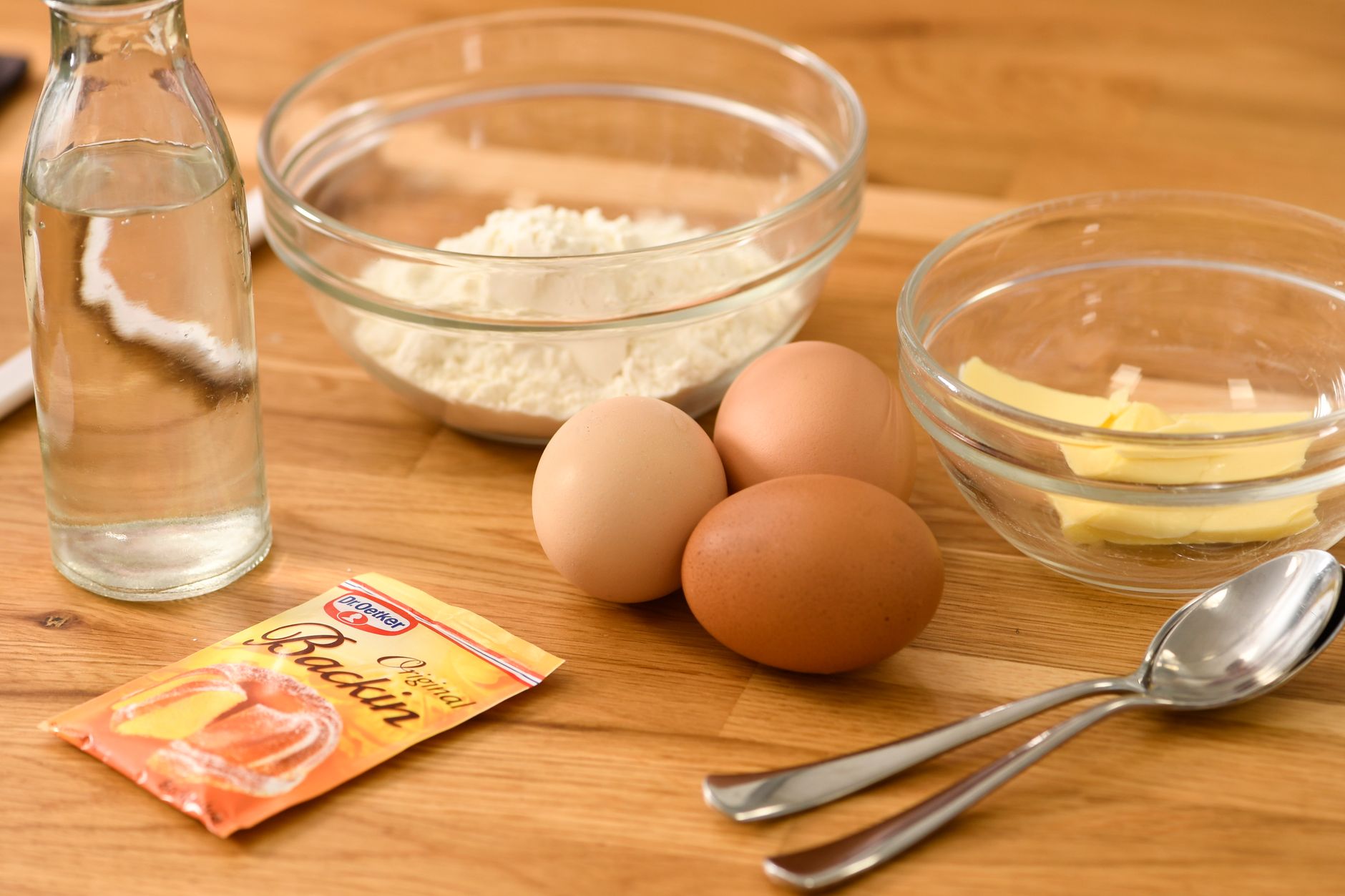
Measuring ingredients accurately is fundamental in cooking and baking, especially with ingredients like butter, which can impact the final outcome of recipes. One common question many home cooks have is, “How many tablespoons are in a 1/3 cup of butter?” Getting this measurement right can be crucial for flavor, texture, and overall success in your dishes.
This article delves into the straightforward conversion of butter measurements, discussing why precise measurements matter, how to measure butter effectively, and various uses for butter in cooking and baking.
How Many Tablespoons in a 1/3 Cup of Butter?
There are 5 tablespoons plus 1 teaspoon in 1/3 cup of butter. This conversion is useful for anyone looking to use butter in recipes that don’t specify the amount in tablespoons. Knowing this can help streamline meal preparation and ensure you have just the right amount for your culinary needs.
The Importance of Accurate Measurements
When it comes to cooking and baking, precision can significantly affect your dish’s flavor and texture. Using the wrong amount of butter can lead to variations in moisture, richness, and even how a recipe bakes. Here’s why it matters:
- Flavor Balance: Butter adds richness and depth to dishes. Too little might result in bland outcomes, while too much can lead to a greasy texture.
- Texture Control: In baking, the right amount of butter contributes to tenderness and flakiness, particularly in doughs and pastries.
- Cooking Consistency: Proper measurements lead to more consistent results, providing you with the confidence to recreate your favorite dishes.
Measuring Butter: Methods and Techniques
There are various ways to measure butter accurately, and the method you choose may depend on whether your butter is in stick form or in a tub. Here are some effective techniques:
1. Stick Butter Measurement
If you are using stick butter, the measurement is straightforward since the packaging usually indicates tablespoon markings. Each stick is commonly 1/2 cup, equating to 8 tablespoons. Therefore:
- 1/3 cup of butter can be cut from the stick, which is approximately 5 tablespoons plus 1 teaspoon.
2. Softened or Tub Butter Measurement
For softened or tub butter, you may need to use a spoon:
- Scoop a tablespoon of butter and level it off with a knife.
- Repeat until you have gathered 5 tablespoons.
- Add 1 teaspoon to complete the measurement necessary for 1/3 cup.
3. Measuring by Weight
Sometimes, measuring butter by weight provides the best accuracy. Here’s how:
- 1/3 cup of butter weighs approximately 76 grams or 2.7 ounces.
- This method is particularly useful for baking, as professional recipes often use weight for precision.
Butter in Cooking and Baking: Uses and Benefits
Butter is a versatile ingredient celebrated in many cuisines worldwide. Its uses range from cooking to baking, enhancing flavors in various dishes. Here’s a look at some common applications:
1. Baking
In baking, butter is key to achieving desirable textures:
- Cakes: It adds moisture and flavor, contributing to a tender crumb.
- Cookies: The choice of butter affects crispiness. Softened butter creates chewy cookies, while melted butter tends to create a denser texture.
- Pastries: In items like croissants and puff pastry, butter layers create flakiness.
2. Cooking
Butter is also a fundamental ingredient for many cooking techniques:
- Sautéing: Adds flavor to vegetables, enhancing their natural sweetness.
- Sauces: Acts as a base for sauces, including classic beurre blanc and hollandaise.
- Basting: Used for basting meats, butter adds richness and moisture while cooking.
3. Spreads and Condiments
Butter can also be used directly as a spread:
- Use it on bread, bagels, or muffins.
- Create compound butters infused with herbs or spices to elevate simple dishes.
Common Butter Substitutes and Their Effects
Sometimes, you may need to substitute butter in a recipe due to dietary preferences or ingredient availability. Here are common alternatives along with their effects:
1. Margarine
A close substitute, margarine can replace butter in a 1:1 ratio. It may change the flavor slightly and alter the texture in baked goods.
2. Coconut Oil
Coconut oil is often used in vegan baking. While it behaves similarly to butter, it can impart a subtle coconut flavor and may lend a different texture.
3. Applesauce or Pureed Fruits
When looking to reduce fat in baking, unsweetened applesauce can replace butter. Use 1/2 the amount of butter required. This substitution will produce a denser product and alter the flavor slightly.
4. Olive Oil or Other Oils
You can use olive oil in savory dishes. It’s generally best to use about 3 tablespoons of oil for every 4 tablespoons of butter. However, the flavor will change significantly, introducing an oilier texture.
Troubleshooting Common Butter-Related Issues
Baking with butter can come with its own set of challenges. Here are some common issues:
1. Too Much or Too Little Butter
If your baked goods turn out too greasy or too dry, check your measurements. Using the correct table-to-cup conversion helps provide the right balance.
2. Butter Not Creaming Properly
This could result from using cold butter instead of softened butter. Be sure to leave your butter out to soften at room temperature before creaming, which helps achieve that lovely, airy texture necessary for cookies and cakes.
3. Sticking Cookies
If cookies are sticking to the pan, ensure you have adequately buttered the surface or used parchment paper. If using margarine, be mindful that it has a higher water content than butter, leading to potential sticking.
Tips for Perfect Butter Results
Here are some additional tips for using butter effectively in your cooking and baking:
- Keep Butter Cold: When making pastries, keep butter cold for flaky layers.
- Room Temperature: Let butter sit out for at least 30 minutes for creaming in cake recipes.
- Use Fresh Butter: Check expiration dates; fresh butter has a more vibrant flavor.
- Clarified Butter: For high-heat cooking, consider using clarified butter, which has a higher smoke point.
Storing Butter
Proper storage helps maintain the freshness and flavor of butter:
- Refrigeration: Store butter in the fridge in an airtight container to maintain its quality.
- Freezing: For long-term storage, butter can be frozen for up to six months. Wrap it tightly in plastic wrap or foil, then place it in an airtight container or freezer bag.
Conclusion
Knowing how to measure ingredients accurately, like understanding the conversion of 1/3 cup of butter to tablespoons, is a fundamental skill in cooking and baking. With the information provided, you can navigate butter measurements confidently and explore its many uses in your culinary creations.
If you’re looking for more cooking insights or unique recipes, take a look at our guides on making clarified butter and baking butter swim biscuits to elevate your dishes even further.