
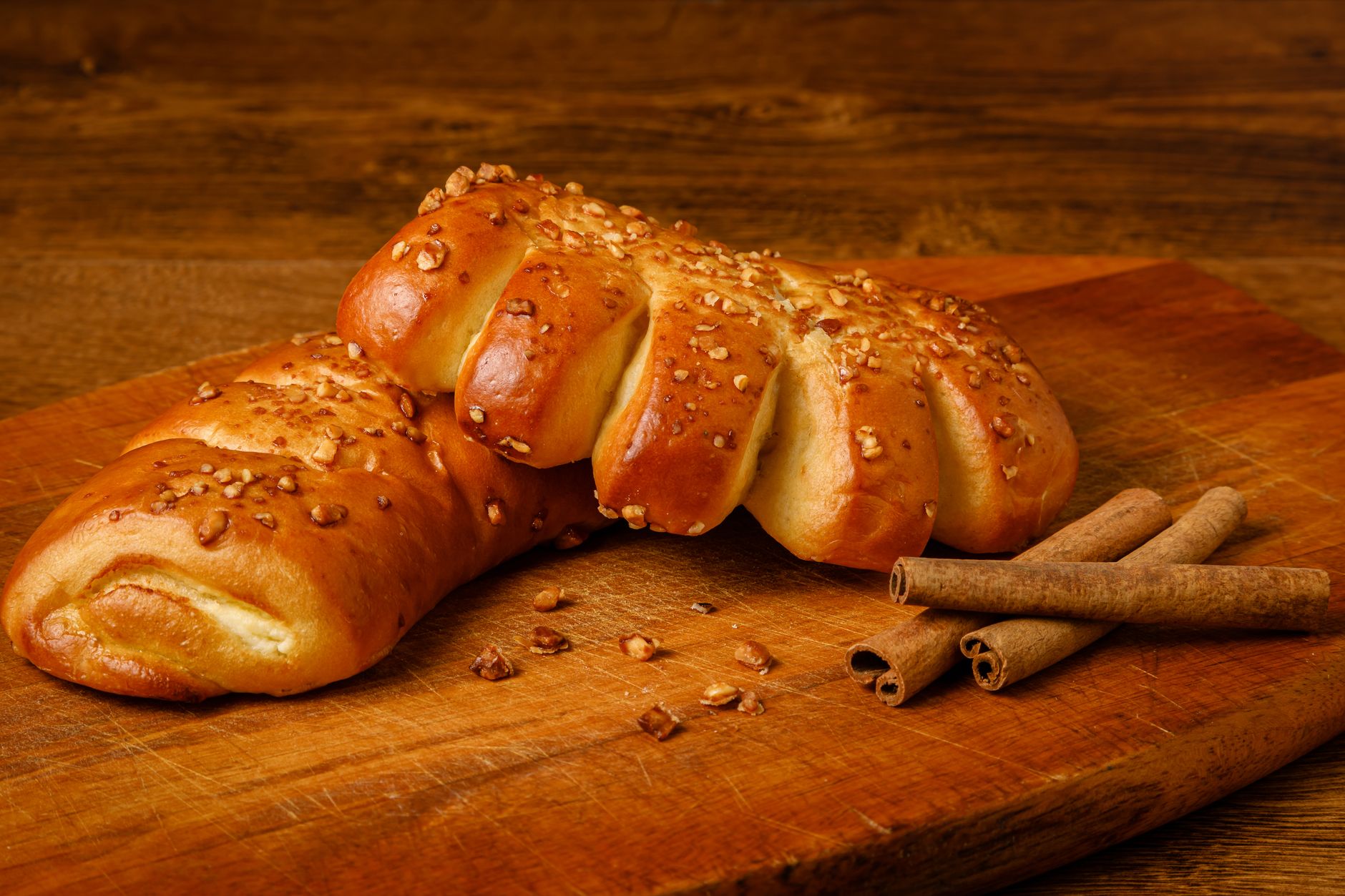
A bear claw is a delightful pastry that originates from the rich traditions of American and European baking. Known for its flaky, sweet dough and often filled with delicious almond paste or fruit, this pastry has become a beloved treat enjoyed in cafes and bakeries. Its unique shape and taste make it a popular breakfast item or snack.
This article will delve into what is in a bear claw, exploring the ingredients, flavor profile, culinary uses, and even some tips for making them at home.
What Is in a Bear Claw?
A bear claw typically contains a few key ingredients: dough, filling, and a glaze. The dough is often a yeast-based or flaky pastry, while the filling usually includes almond paste, fruit preserves, or cream cheese. The pastry is shaped into a claw or a crescent before baking. The glaze adds a sweet finish that enhances its flavor.
Ingredients of a Bear Claw
To understand what makes up a bear claw, let’s break down its main components—dough, filling, and glaze.
Dough
- Flour: All-purpose flour is the base for the dough, providing structure.
- Yeast: Active dry yeast or instant yeast contributes to the dough’s leavening, creating a light and airy texture.
- Sugar: Granulated sugar sweetens the dough and aids in browning during baking.
- Butter: Unsalted butter is used for flavor and flakiness.
- Milk: Whole milk or buttermilk is often added for moisture and richness.
- Egg: An egg may be included for richness and to help bind the dough together.
- Salt: This enhances the flavor and balances the sweetness.
Filling
- Almond Paste: This is a common filling in bear claws, offering a rich, nutty flavor.
- Fruit Preserves: Options like raspberry, cherry, or apricot jams can add fruity sweetness.
- Cream Cheese: A smooth, creamy filling that pairs well with fruit or nuts.
Glaze
- Powdered Sugar: The base for the glaze, creating a sweet finish.
- Milk or Cream: Used to dissolve the powdered sugar for a pourable consistency.
- Vanilla Extract: Adds a nice flavor that complements the sweetness of the glaze.
How to Make a Bear Claw: A Step-by-Step Guide
Making a bear claw may seem daunting, but with the right steps, you can create this delicious pastry at home. Below is a simple recipe that yields about 12 bear claws.
Equipment Needed
- Mixing bowls
- Stand mixer with a dough hook (optional)
- Rolling pin
- Baking sheet
- Parchment paper
- Pastry brush
- Measuring cups and spoons
Ingredients List
- 4 cups all-purpose flour
- 1 packet (2 1/4 tsp) active dry yeast
- 1/4 cup granulated sugar
- 1 teaspoon salt
- 1 cup whole milk, warmed to about 110°F (43°C)
- 1/2 cup unsalted butter, softened
- 1 large egg
- 1 cup almond paste or fruit preserves
- 1 cup powdered sugar
- 2 tablespoons milk or cream
- 1 teaspoon vanilla extract
Preparation Steps
- In a mixing bowl, dissolve the yeast in warm milk with a pinch of sugar. Let it sit for about 5-10 minutes until it becomes foamy.
- In a large bowl, combine flour, remaining sugar, and salt. Add the softened butter and mix until crumbly.
- Add the foamy yeast mixture and egg to the flour mixture. Mix until a soft dough forms.
- Knead the dough on a floured surface for about 5-7 minutes until smooth. Alternatively, use a stand mixer with a dough hook for this step.
- Place the dough in a greased bowl, cover it with a damp cloth, and let it rise in a warm place for about 1 hour or until doubled in size.
- Once risen, punch down the dough gently and roll it out on a floured surface into a rectangle about 1/4 inch thick.
- Spread the almond paste or fruit preserves evenly over the dough.
- Cut the dough into 12 equal triangles. To shape each bear claw, cut slits on one side of the triangle, and roll it up from the wide end to the pointed end.
- Place the rolled pastries on a baking sheet lined with parchment paper, leaving space between them. Cover and allow to rise for another 30 minutes.
- Preheat the oven to 375°F (190°C). Once the bear claws have risen, bake them for about 15-20 minutes or until golden brown.
- While they are baking, prepare the glaze by mixing powdered sugar, milk, and vanilla until smooth.
- Once baked, allow the bear claws to cool slightly before drizzling the glaze over the top.
Taste and Texture of a Bear Claw
Bite into a bear claw, and you’ll experience a symphony of flavors. The outer layer is flaky and tender, contrasting beautifully with the nutty sweetness of the almond paste or the bright tartness of fruit preserves. The glaze adds an extra layer of sweetness, creating a perfect balance.
The texture is key. The dough, when properly prepared, should have a light and airy feel, thanks to the yeast. The almond filling provides a creamy density that melts in your mouth, while the glaze offers a sugary finish that complements the overall taste.
Culinary Uses for Bear Claws
Bear claws aren’t just for breakfast. Their versatility allows them to shine in various culinary contexts:
- Breakfast Treat: Perfect alongside a cup of coffee or tea, bear claws serve as a delightful breakfast indulgence.
- Snack Time: Enjoy them as a sweet midday pick-me-up or afternoon snack.
- Dessert: Serve bear claws as a dessert option at gatherings or parties, especially with fresh fruit or ice cream.
- Brunch Buffets: They are an excellent addition to brunch spreads, balancing savory dishes with their sweetness.
Common Mistakes When Making Bear Claws
While making bear claws can be straightforward, there are several common pitfalls. Avoiding these will help ensure your pastries turn out well.
- Not letting the dough rise enough: Proper fermentation is crucial for a light texture. Be patient and let it rise until doubled in size.
- Using cold ingredients: If your butter and milk are too cold, it can hinder the dough’s ability to rise and develop flavor.
- Overworking the dough: Kneading is important, but excessive handling can lead to tough pastries. Stop once the dough is smooth.
- Skipping the glaze: While the bear claw is delicious without it, a glaze enhances the flavor and adds visual appeal.
Storage and Reheating Bear Claws
If you have leftover bear claws, proper storage will keep them fresh. Here’s how:
- Room Temperature: Store bear claws in an airtight container for up to 2 days at room temperature.
- Refrigeration: They can be kept for up to a week in the refrigerator if sealed properly.
- Freezing: Wrap them tightly in plastic wrap and place in a freezer bag for up to 3 months. Thaw and warm them in the oven before serving.
Variations and Substitutions
If you want to experiment with your bear claws, there are several variations and substitutions to consider:
- Fruit Fillings: Substitute almond paste with other fillings like lemon curd or chocolate hazelnut spread for different flavor profiles.
- Gluten-Free Option: Use a gluten-free all-purpose flour blend to make a gluten-free version of bear claws.
- Dairy-Free Version: Replace butter with coconut oil and use plant-based milk to accommodate dairy restrictions.
- Spices and Zests: Add spices, such as cinnamon or nutmeg, to the filling for an extra kick or include lemon zest in the glaze for added freshness.
Final Thoughts on Bear Claws
Bear claws are a delectable pastry that combines flaky dough with flavorful fillings, making them a favorite for breakfast, snacks, or desserts. With their rich texture, delightful tastes, and versatility, they should have a place in everyone’s culinary repertoire. Whether you enjoy making them from scratch or indulging in store-bought versions, bear claws are worth savoring.
For those looking to try more recipes or explore other culinary tips, consider checking out various baking guides or meal prep articles for inspiration. There is an exciting world of flavors to discover!