
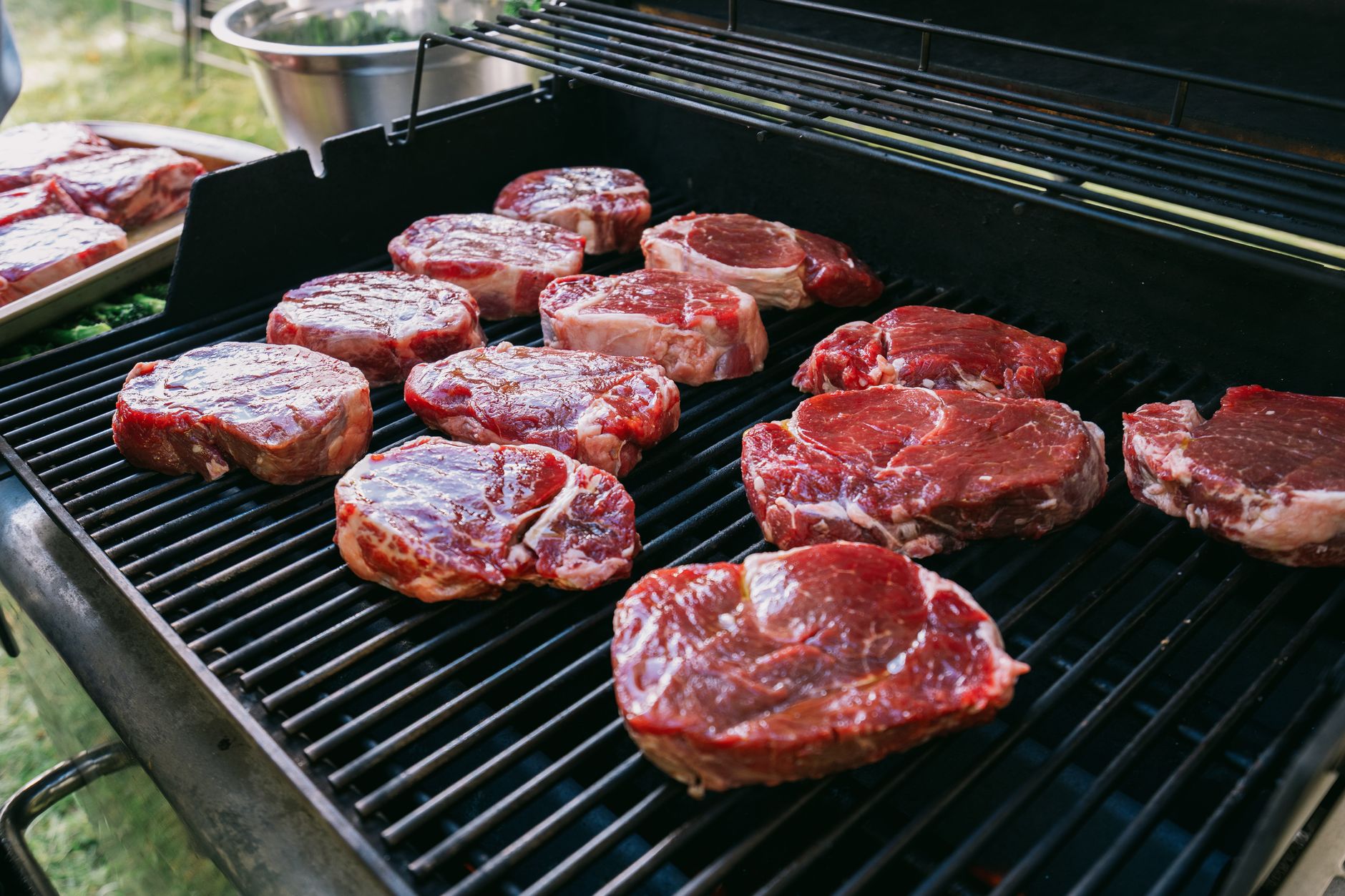
Prime rib is a cut of beef that is renowned for its rich, juicy flavor and tenderness. Often served during special occasions and holiday dinners, this roast is a culinary favorite among many. Understanding what a prime rib entails, its flavor profile, ideal cooking methods, and how to serve it can elevate your dining experience.
In this article, we will explore the ingredients that make up a prime rib, its unique flavor characteristics, and the best ways to prepare and serve it. Whether you’re a seasoned cook or a novice in the kitchen, you’ll find valuable information here to help you create an exceptional prime rib dish.
What Is a Prime Rib?
Prime rib, often referred to as standing rib roast, comes from the primal rib section of the cattle. This cut is particularly prized for its marbling, which helps to keep the meat moist and tender during cooking. To qualify as “prime,” the USDA must grade the meat as such, indicating superior marbling and juiciness. However, prime rib can also be found at less expensive grades like choice or select, which may still deliver delicious results.
Ingredients of Prime Rib
The core ingredient for a prime rib is, unsurprisingly, the beef itself. Below are some basic components and optional additions for seasoning and serving:
- Bone-In Prime Rib Roast (typically 4-7 ribs)
- Salt (coarse or kosher)
- Black pepper (freshly ground)
- Garlic (whole cloves or minced)
- Herbs (such as rosemary, thyme, or parsley)
- Olive oil or butter (for searing)
Choosing the Right Cut
When selecting a prime rib roast, you should consider the following:
- Bone-in vs. Boneless: Bone-in roasts tend to be more flavorful and juicier because the bone retains heat. Boneless roasts are easier to carve but may not have the same intense flavor.
- Grade of Beef: Look for USDA Prime or Choice for the best combination of flavor and tenderness. Look for good marbling in the meat, which indicates fat that will melt during cooking, enhancing taste.
- Size: A general rule of thumb is to plan for about one rib per person, which typically yields 2 to 3 servings per pound.
Flavor Profile of Prime Rib
The flavor of prime rib is rich and beefy, enhanced by its natural fat content. The marbling contributes to a buttery texture that melts in your mouth. When seasoned well with salt and pepper (and possibly herbs), the roast develops a beautiful crust as it cooks, resulting in a striking contrast between the flavorful exterior and the tender, juicy interior.
Serving Suggestions
Prime rib is often served medium-rare, which is between 130°F to 135°F, allowing the inherent flavors to shine. It pairs beautifully with a variety of side dishes:
- Horseradish sauce (a classic accompaniment)
- Au jus (a sauce made from the pan drippings)
- Garlic mashed potatoes
- Roasted vegetables (like carrots, brussels sprouts, or asparagus)
- Yorkshire pudding (a British classic often served with prime rib)
How to Cook Prime Rib
Cooking prime rib is relatively simple, but it requires some attention to detail. Here’s a step-by-step guide on how to prepare and cook prime rib:
Essential Equipment
- Roasting pan (preferably with a rack)
- Meat thermometer (digital for accuracy)
- Sharp carving knife
- Cutting board
Cooking Method
- Prepare the Beef: Take your prime rib out of the refrigerator and let it sit at room temperature for about an hour before cooking. This ensures even cooking.
- Season the Roast: Generously season the entire surface of the meat with salt and pepper. You can also rub in minced garlic and herbs to enhance flavor.
- Preheat the Oven: Preheat your oven to 450°F (232°C).
- Roast the Prime Rib: Place the prime rib in a roasting pan, bone side down, and roast in the preheated oven for 15 minutes.
- Reduce Temperature: After the initial 15 minutes, reduce the oven temperature to 325°F (163°C) and continue roasting. A general guideline is about 15-20 minutes of cooking time per pound for medium-rare.
- Monitor Temperature: Use a meat thermometer to check the internal temperature of the roast. Remove it from the oven when it reaches an internal temperature of 130°F for medium-rare. Remember, it will continue to cook as it rests.
- Rest the Meat: Let the roast rest for at least 20-30 minutes before carving. This allows the juices to redistribute and not run out when sliced.
- Carve and Serve: Slice against the grain into even portions. Serve with au jus and your choice of side dishes.
Common Mistakes to Avoid
Even experienced cooks can make mistakes when preparing prime rib. Here are some pitfalls to avoid:
- Skipping the Resting Period: Failing to let the roast rest can result in a dry cut, as the juices will run out.
- Overcooking the Meat: It’s easy to overcook prime rib, so invest in a reliable meat thermometer to ensure you hit your desired doneness.
- Not Seasoning Enough: Prime rib can benefit greatly from generous seasoning. Don’t be shy when applying salt and pepper.
Cooking Variations
While the classic preparation of prime rib is delightful, there are several variations you can try:
- Herb-Crusted Prime Rib: Add fresh herbs like thyme and rosemary to your seasoning mix for an aromatic crust.
- English Style: Serve with Yorkshire pudding made from a batter of eggs, flour, and milk, baked until golden and puffed alongside the roast.
- Smoked Prime Rib: For a different flavor profile, consider smoking your prime rib instead of roasting it. This adds a rich, smoky flavor that complements the beef.
Storing and Reheating Prime Rib
If you have leftovers from your prime rib dinner, proper storage and reheating techniques can maintain its quality:
Storage
- Wrap the prime rib in plastic wrap or aluminum foil and place it in an airtight container.
- Store in the refrigerator for up to 3 days or freeze for up to 3 months.
Reheating
To reheat prime rib without compromising its juiciness:
- Preheat the oven to 250°F (121°C).
- Place the beef in a roasting pan with a splash of beef broth or water to keep it moist.
- Heat until the internal temperature reaches about 130°F (54°C) for medium-rare, roughly 25-35 minutes, depending on the size of the portion.
Final Thoughts
Prime rib is a remarkable cut of beef that deserves a prominent place on your dining table, particularly for celebrations and family gatherings. By understanding its features and following a proper cooking method, you can create a meal that impresses and delights everyone.
For those seeking to enhance their prime rib experience further, consider checking out related recipes like a boneless prime rib recipe or a prime rib rub recipe.