
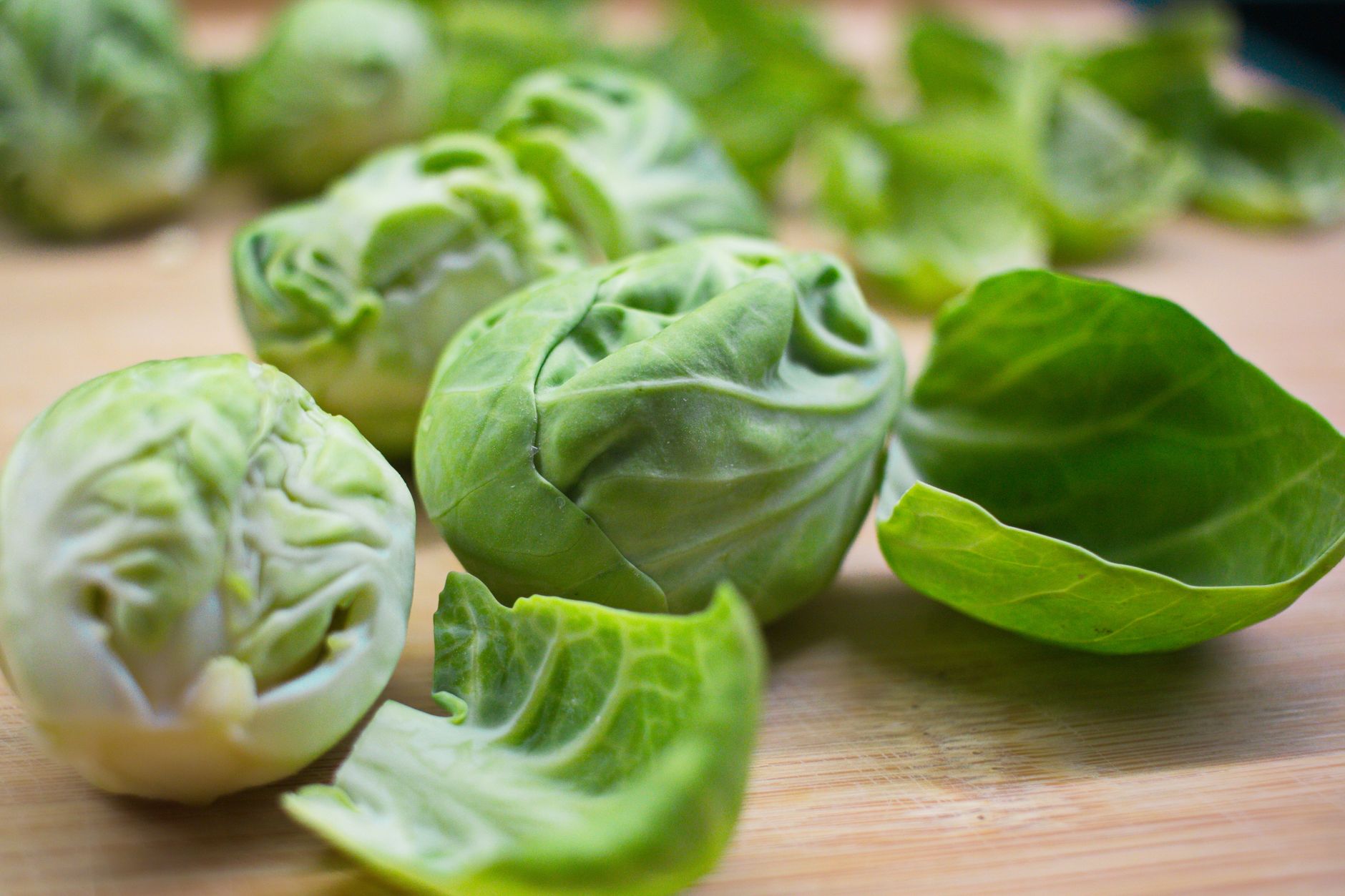
Brussels sprouts are a popular vegetable known for their unique flavor and numerous health benefits. However, many people wonder if they cause gas or bloating, leading to a love-hate relationship with this cruciferous vegetable. In this article, we will explore the causes of gas associated with Brussels sprouts, how fiber plays a role, and offer tips on digestion.
Understanding how Brussels sprouts interact with your digestive system can help you enjoy them without discomfort. We will cover how to incorporate these nutritious veggies into your diet, tips for preparation, and ways to minimize any potential gas production.
Do Brussels Sprouts Cause Gas?
Yes, Brussels sprouts can cause gas for some people. This is primarily due to their high fiber content and the presence of certain carbohydrates that can be difficult to digest. In particular, their fiber and sugar components can lead to fermentation in the gut, resulting in gas production as a byproduct.
Understanding Fiber and Gas Production
Fiber plays a key role in digestion and overall gut health. Brussels sprouts are an excellent source of dietary fiber, which can be beneficial for your health. However, when consumed in large quantities, fiber can sometimes lead to gas.
Types of Fiber
There are two main types of dietary fiber: soluble and insoluble. Both types contribute to digestive health but in different ways:
- Soluble Fiber: This type dissolves in water and can help slow digestion, stabilize blood sugar, and lower cholesterol levels. It’s found in foods like oats, beans, and some fruits.
- Insoluble Fiber: This fiber does not dissolve in water and adds bulk to your stool, helping food move through your digestive system. Brussels sprouts contain a good amount of insoluble fiber.
The Fermentation Process
When Brussels sprouts reach the intestines, certain microorganisms break down the fiber and sugars. During this fermentation process, gases like carbon dioxide, hydrogen, and methane are produced, leading to bloating and flatulence. This reaction is particularly pronounced in individuals with sensitive digestive systems or those who are not accustomed to high-fiber diets.
The Role of Portions
Portion size can significantly impact whether Brussels sprouts cause gas. For those not accustomed to eating a lot of fiber, large servings may lead to discomfort. Gradually increasing your intake can help your digestive system adjust.
Recommended Serving Sizes
A typical serving size of Brussels sprouts is about 1 cup cooked, which contains roughly 4 grams of fiber. If you are new to consuming Brussels sprouts, start with smaller portions (e.g., half a cup) and slowly increase your intake as your body adjusts to the fiber.
Preparation Techniques to Reduce Gas
How you prepare Brussels sprouts can influence their gas-causing properties. Here are some cooking methods that may help minimize gas production.
Cooking Methods
- Boiling or Steaming: Cooking Brussels sprouts may help break down some of the fiber and sugars. Boiling or steaming for about 6-8 minutes is effective.
- Sautéing or Stir-Frying: Quick cooking in oil with other ingredients can add flavor and may also help with digestibility. Aim for medium heat for about 5 minutes.
- Roasting: Roasting Brussels sprouts can enhance their flavor while making them easier to digest. Coat them in olive oil, salt, and pepper, and roast at 400°F for 20-25 minutes, stirring halfway through.
Additional Tips for Preparation
Incorporating other ingredients can also aid digestion:
- Ginger: Known for its digestive properties, adding ginger can help soothe the stomach.
- Garlic: Adds flavor and can enhance digestion in small amounts.
- Herbs: Use fresh herbs like parsley or cilantro, which can help with digestion.
Pairing Brussels Sprouts with Digestive Aids
What you eat with Brussels sprouts can also affect your digestion. Combining them with foods that aid digestion can minimize discomfort. Here are some well-suited pairings:
- Probiotic Foods: Yogurt or kefir can help balance gut bacteria, aiding digestion.
- Fermented Foods: Sauerkraut or kimchi can introduce beneficial bacteria that may help with fiber breakdown.
- Healthy Fats: Avocados or nuts provide fat, which helps slow digestion, allowing more time to break down fiber.
Tips for Enjoying Brussels Sprouts Without Discomfort
Here are some practical tips to enjoy Brussels sprouts while minimizing any gas-related issues:
- Hydrate: Drinking plenty of water helps fiber do its job more efficiently, reducing potential discomfort.
- Chew Thoroughly: Breaking down Brussels sprouts into smaller pieces aids digestion.
- Mix with Low-Gas Vegetables: Combine Brussels sprouts with zucchini or carrots, which produce less gas.
- Limit Intake of Other Gas-Producing Foods: If you have Brussels sprouts for dinner, consider avoiding other high-gas foods like beans or carbonated beverages.
- Stay Active: Gentle activity after meals can assist digestion.
Identifying Personal Sensitivity
Not everyone experiences gas after eating Brussels sprouts. Some may have a higher tolerance due to regular consumption of fiber-rich foods. If you’re unsure about your sensitivity, consider keeping a food diary to track your meals and symptoms.
Testing Your Reaction Gradually
Introduce Brussels sprouts into your diet slowly. Start with a small serving, and observe for any adverse reactions over the next 24 hours. If you experience gas, consider waiting a few days before trying again with smaller portions. Gradually increasing serving sizes can help your gut adjust.
Cooking Tips for Flavor and Digestion
When cooking Brussels sprouts, consider flavoring methods to enhance their taste while promoting digestion. Here are some strategies:
Enhancing Flavor
- Balancing Flavors: Pair Brussels sprouts with balsamic vinegar or citrus to contrast their earthy flavor.
- Spicing It Up: Use spices like cumin or coriander, which can aid digestion and contribute to overall flavor.
- Adding Sweet Elements: Caramelizing Brussels sprouts with a sprinkle of brown sugar can counter their bitterness and enhance overall appeal.
Creative Serving Suggestions
Brussels sprouts can be versatile. Here are some serving ideas:
- Salad Base: Shaved Brussels sprouts can serve as a fresh base for salads.
- Side Dish: Serve them roasted alongside your favorite protein.
- Stir-Fry: Add them to stir-fries with other colorful vegetables for added nutrition and texture.
Final Notes on Enjoying Brussels Sprouts
Brussels sprouts can be a nutritious addition to your diet. However, their potential to produce gas should be considered, especially for those new to high-fiber foods. By monitoring portion sizes, employing proper cooking techniques, and pairing them with digestive aids, you can enjoy these vegetables comfortably.
Storage and Reheating Tips
If you prepare extra Brussels sprouts, proper storage is essential. Here are some guidelines to ensure they maintain their quality:
Storage
- Refrigeration: Store cooked Brussels sprouts in an airtight container in the refrigerator. They should last about 3-5 days.
- Freezing: If you want to keep them longer, consider blanching and freezing. They can stay in the freezer for up to 12 months.
Reheating
When reheating Brussels sprouts, you want to retain their texture:
- Microwave: Heat in intervals to avoid overcooking. Cover with a damp paper towel.
- Oven: Preheat to 350°F and heat for about 10-15 minutes, ensuring they don’t dry out.
Conclusion
Brussels sprouts can be enjoyed as part of a healthy diet, but their fibrous nature may cause gas for some individuals. By understanding your body, choosing appropriate portion sizes, and utilizing effective cooking methods, you can incorporate these nutrient-dense vegetables into your meals. Enjoy them roasted, in salads, or as a side dish, and be mindful of your body’s signals to make the most of this versatile vegetable.
For more tips and recipes, explore our guides on preparing delicious shaved Brussels sprouts and sautéed cabbage. Discover how to enhance your meals and enjoy various healthy veggies without discomfort.