
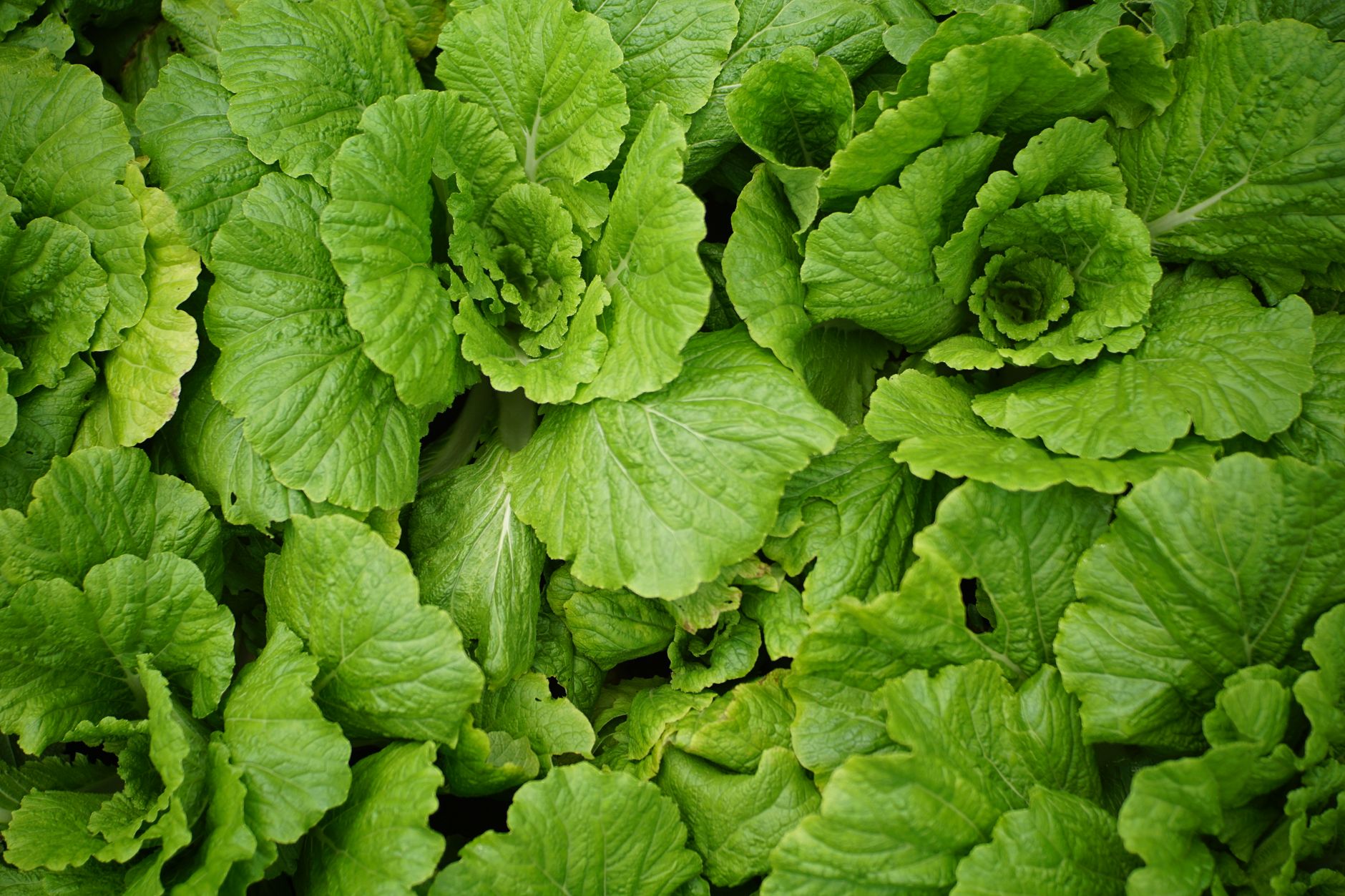
Chinese cabbage, commonly referred to as Napa cabbage, is a versatile leafy vegetable integral to various Asian cuisines. With its tender leaves and milder flavor compared to other cabbage varieties, it serves as a staple ingredient in countless dishes, from salads to stir-fries.
This guide dives into the taste, texture, culinary uses, nutritional benefits, and storage methods of Chinese cabbage, helping you understand how to incorporate this wonderful vegetable into your cooking repertoire.
What Is Chinese Cabbage?
Chinese cabbage, or Napa cabbage, is a cruciferous vegetable known for its elongated shape and light green, crinkly leaves. It has a crunchy texture and a slightly sweet, mild flavor profile, making it ideal for both raw and cooked dishes. This vegetable is a staple in various cuisines, particularly in East Asia, and can be used in salads, soups, and as a filling for dumplings.
What Does Chinese Cabbage Taste Like?
The flavor of Chinese cabbage is often described as slightly sweet and mild, with a refreshing crunch. Its softer texture compared to traditional cabbage makes it an excellent addition to salads, where it can be enjoyed raw. When cooked, its flavor deepens slightly, but it retains a crispness that complements stir-fries and soups.
What Is the Texture of Chinese Cabbage?
Chinese cabbage has a crisp and crunchy texture, particularly in the white stem portion, while the leafy green parts are tender yet firm. This combination allows it to hold up well in cooked dishes without becoming mushy, making it versatile for various cooking methods.
Common Kitchen Uses for Chinese Cabbage
Chinese cabbage can be used in an array of dishes thanks to its adaptability. Here are some of the most common kitchen uses:
- Salads: Shredded Chinese cabbage adds a crunchy texture to salads. It can be mixed with other vegetables, dressings, and proteins.
- Stir-fries: The vegetable is perfect for quick stir-fries, pairing well with meats, tofu, and various sauces.
- Soups: Add Chinese cabbage to soups for a nutritious and hearty element, where it will soften slightly while retaining a bit of crunch.
- Fermentation: Napa cabbage is essential for kimchi, a fermented Korean vegetable dish that features a mix of spices.
- Dumplings: Chinese cabbage can be finely chopped and used as a filling for dumplings or bao, providing a fresh flavor.
How to Prepare Chinese Cabbage
Preparation of Chinese cabbage is straightforward. Here are steps to get it ready for your dish:
- Wash: Rinse the cabbage thoroughly under cool running water to remove any soil or dirt.
- Trim: Cut off the base of the cabbage, about an inch from the stem end, to remove any tough or wilted leaves.
- Slice: Depending on your recipe’s requirements, slice the cabbage into quarters, strips, or bite-sized pieces.
- Dry: Pat dry with a clean kitchen towel or use a salad spinner to remove any excess water for salads.
Cooking Techniques for Chinese Cabbage
Chinese cabbage can be cooked in multiple ways, each bringing out different flavors and textures. Here are some popular cooking techniques:
1. Stir-Frying
Stir-frying is a quick and effective method for cooking Chinese cabbage. Here’s how to do it:
- Heat a tablespoon of oil in a wok or large skillet over medium-high heat.
- Add chopped garlic or ginger for added flavor, cooking until fragrant.
- Add sliced Chinese cabbage and stir-fry for 3-5 minutes, until just tender but still crisp.
- Season with soy sauce, sesame oil, or your choice of seasonings, and serve hot.
2. Boiling
Boiling Chinese cabbage is simple, but it can lead to a softer texture. To do this:
- Bring a pot of water to a boil.
- Add the chopped cabbage and cook for 2-3 minutes until tender.
- Drain and rinse with cold water to stop the cooking process and preserve the color.
3. Steaming
Steaming is an excellent way to preserve flavor and nutrients. Follow these steps:
- Fill a pot with an inch of water, placing a steamer basket above it.
- Bring the water to a boil and add the cabbage leaves to the steamer basket.
- Cover and steam for about 5-7 minutes until tender.
4. Roasting
Roasting can enhance the cabbage’s natural sweetness. Here’s how:
- Preheat your oven to 425°F (220°C).
- Drizzle cabbage slices with oil, toss with salt and pepper, and arrange in a single layer on a baking sheet.
- Roast for 15-20 minutes until the edges are crispy and golden.
Nutritional Benefits of Chinese Cabbage
Chinese cabbage is not only versatile but also nutritious. Here are some of its health benefits:
- Low in Calories: With its high water content, it’s a low-calorie food, making it ideal for those watching their weight.
- Rich in Vitamins: It’s a good source of vitamins A, C, and K, important for eye health, immune function, and bone health.
- High in Fiber: The fiber content aids digestion and helps maintain a healthy gut.
- Antioxidants: Chinese cabbage contains antioxidants that combat free radicals and may reduce the risk of chronic diseases.
Selecting and Storing Chinese Cabbage
When selecting Chinese cabbage, look for those with crisp, vibrant leafy greens and firm stems. Avoid any that show signs of wilting, discoloration, or soft patches.
How to Store Chinese Cabbage
Proper storage extends freshness. Here’s how to store it effectively:
- Wrap unwashed Chinese cabbage in a damp paper towel and place it in a plastic bag to maintain moisture.
- Store it in the crisper drawer of your refrigerator, where it can last for about a week.
- If you’ve chopped or cooked the cabbage, keep it in an airtight container in the fridge and consume it within 3-4 days.
Ingredient Substitutions for Chinese Cabbage
If you find yourself without Chinese cabbage, there are alternatives you can use, each offering slightly different textures and flavors:
- Green Cabbage: Use in a 1:1 ratio for cooking or salads, but it has a stronger flavor and tougher texture.
- Savoy Cabbage: A good substitute, it has a similar texture but a more pronounced taste. Use in equal amounts.
- Bok Choy: Though it has a different structure, it works well in stir-fries and soups. Use in a 1:1 ratio.
- Collard Greens: These provide a similar nutritional profile and can be used in cooked dishes, though they require longer cooking times.
Common Mistakes to Avoid with Chinese Cabbage
While preparing Chinese cabbage, here are some common pitfalls to avoid:
- Overcooking: This vegetable cooks quickly, and overcooking can lead to a mushy texture. Keep an eye on cooking times.
- Not Washing Properly: Always wash the cabbage thoroughly, as dirt and sand can hide between the leaves.
- Ignoring Flavor Pairings: Chinese cabbage pairs well with strong flavors. Enhance your dishes with garlic, ginger, soy sauce, and sesame oil.
Serving Suggestions
Chinese cabbage can be served in countless ways, depending on the cuisine or flavor profile you wish to achieve. Here are a few suggestions:
- Use shredded cabbage as a base for a refreshing Asian slaw, mixing with ginger-soy dressing and other crunchy vegetables.
- Incorporate into a hearty miso soup, where it can soak up broth flavors while providing texture.
- Stir-fry with chicken or tofu, adding your choice of spices for a complete meal.
Make-Ahead Guidance
If you’re prepping in advance, here are some tips can help:
- Chop the cabbage a day in advance and store it properly to keep it fresh.
- Create stir-fry kits by pre-slicing vegetables and storing them together in the refrigerator.
- Prepare dressings in advance to save time when making salads or slaws.
Conclusion
Chinese cabbage is a fantastic vegetable to include in your culinary repertoire. Its unique taste, texture, and numerous culinary applications make it a favorite in many dishes. Whether in salads, stir-fries, or fermented as kimchi, understanding how to prepare and store this vegetable only enhances its value in your kitchen.
For more delicious recipes and culinary ideas, explore our Napa cabbage recipe or check out our sautéed cabbage recipe.