
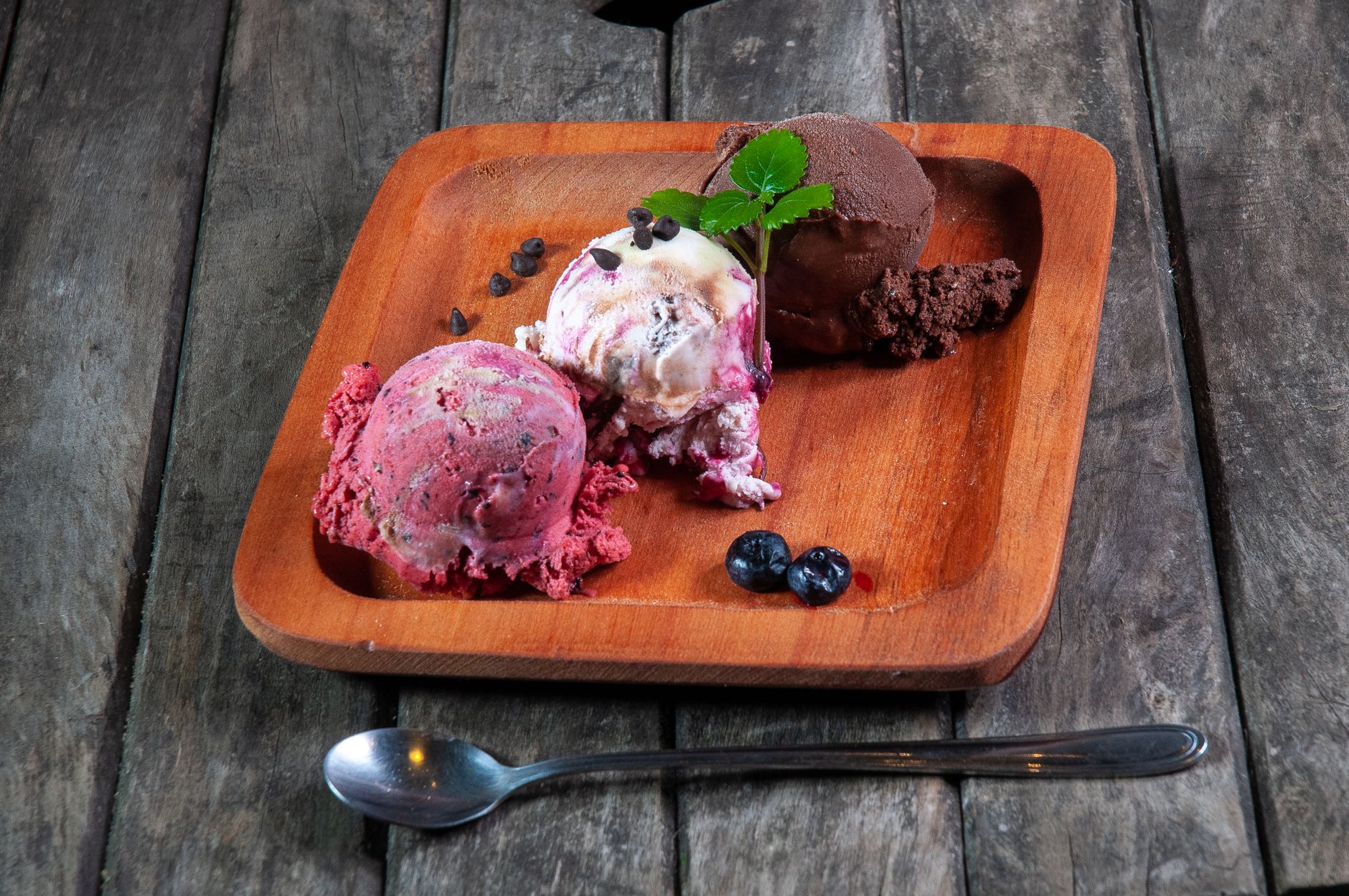
Ice cream is a beloved treat enjoyed by many across the globe, especially during warm weather. Its creamy texture and delightful flavors provide comfort and joy to people of all ages. However, have you ever wondered how long it takes for this delicious dessert to be fully digested? Understanding the digestion process of ice cream can provide insights into how our bodies process sugar and fats.
This article delves into the digestive timeline of ice cream, exploring factors that influence digestion, the nutritional components of ice cream, how it affects our bodies, and tips for enjoying it while maintaining a balanced diet.
How Long Does It Take to Digest Ice Cream?
The average time it takes for ice cream to be digested varies among individuals and is influenced by several factors. Generally, it takes between 2 to 3 hours for the stomach to empty after consuming ice cream. After this initial phase, complete digestion can take anywhere from 24 to 72 hours, depending on metabolism, overall health, and dietary factors.
The Digestive Process: An Overview
To understand how long it takes to digest ice cream, it’s essential to grasp the overall digestive process. Digestion involves breaking down food into nutrients that the body can absorb. Here’s a simplified breakdown:
- Ingestion: Food enters the mouth, where it’s mechanically broken down by chewing and mixed with saliva.
- Stomach Processing: Food moves to the stomach, where gastric juices and enzymes further break it down. This phase typically lasts 2 to 4 hours.
- Small Intestine: The partially digested food then moves to the small intestine, where most nutrient absorption occurs over 3 to 5 hours.
- Large Intestine: Any remaining undigested material moves into the large intestine, where water is absorbed, eventually leading to elimination. This can take 24 to 72 hours.
The Composition of Ice Cream
Understanding what goes into ice cream will help clarify why it takes time to digest. Ice cream is primarily composed of:
- Dairy: The main ingredient providing creaminess and fat.
- Sugar: Added to enhance sweetness, contributing to the total caloric content.
- Air: Incorporated during churning to give ice cream its light texture.
- Additives: Ingredients like stabilizers and emulsifiers improve texture and shelf life.
Nutritional Content
On average, a half-cup serving of vanilla ice cream contains approximately:
- Calories: 137
- Total Fat: 7 grams
- Saturated Fat: 4 grams
- Carbohydrates: 18 grams
- Sugars: 14 grams
- Protein: 2 grams
Factors That Influence Digestion Time
Several factors can affect how quickly or slowly ice cream is digested in your body:
- Individual Metabolism: Every person processes food differently based on their metabolic rate.
- Dietary Habits: A diet high in fiber versus one high in sugars can alter digestion speed.
- Physical Activity: Exercise can enhance metabolism and aid digestion.
- Health Conditions: Conditions such as gastritis, diabetes, or lactose intolerance can affect digestion times.
- Stomach Contents: Eating other food before or with ice cream can slow down digestion.
The Role of Sugar and Fat in Digestion
Ice cream contains both sugar and fat, which impact digestion in different ways. Sugars are often quickly processed and absorbed into the bloodstream, offering a fast energy source. However, fats take longer to digest and require more complex breaking down in the digestive system.
As a result, a significant amount of ice cream consumed can cause a combination of rapid energy spikes from sugar followed by a prolonged sense of fullness or discomfort from the fats, which can contribute to the feeling of heaviness sometimes experienced after indulging in this treat.
What Happens After Digestion
After the stomach processes ice cream, the ingested sugars can lead to a rapid increase in blood sugar levels. This might result in a quick energy boost followed by a “sugar crash” as insulin works to normalize blood sugar levels. The lingering fats in the stomach can create feelings of fullness, affecting your cravings for additional food.
Common Reactions to Eating Ice Cream
Some people may experience discomfort after eating ice cream. Here are a few possible reactions:
- Lactose Intolerance: For those who are lactose intolerant, ice cream can lead to gas, bloating, and diarrhea.
- Sugar Overload: Eating excessive sugar can lead to feelings of lethargy or headaches.
- Allergies: Some may have adverse reactions to certain ingredients like nuts or gluten in specialty ice creams.
Strategies for Enjoying Ice Cream Responsibly
While ice cream can be a delicious part of a balanced diet, enjoying it wisely can help mitigate digestive issues and enhance overall health. Consider these strategies:
- Monitor Portions: Stick to a half-cup serving to enjoy the flavor without overindulgence.
- Pair with Fruit: Serving ice cream with fresh fruit can provide extra fiber and vitamins while balancing out sugars.
- Choose Quality: Select high-quality ice cream with fewer added sugars and artificial ingredients.
- Hydrate: Drink plenty of water before and after eating ice cream to facilitate digestion.
- Limit Frequency: Consider enjoying ice cream as an occasional treat rather than a regular part of your diet.
Potential Substitutions for Ice Cream
If ice cream often leaves you feeling sluggish or uncomfortable, consider these healthier alternatives:
- Frozen Yogurt: Offers a similar texture with lower fat content and probiotics.
- Sorbet: A dairy-free option that typically has fewer calories.
- Banana Ice Cream: Made from pureed frozen bananas, it’s naturally sweet and creamy.
- Gelato: Often lower in fat than traditional ice cream, providing a rich flavor experience.
Conclusion
In summary, the time it takes to digest ice cream varies from person to person but typically spans from 2 to 3 hours in the stomach and up to 72 hours overall. Understanding the digestive process can enhance your relationship with this delightful treat, helping you to enjoy it responsibly and mindfully.
If you’re looking for delicious ice cream recipes, check out our fantastic resources like Wendy’s Frosty Recipe or learn to make your own at home with our Kitchenaid Ice Cream Recipe. These can offer you a delightful way to enjoy ice cream while being mindful of ingredients and portion sizes.