
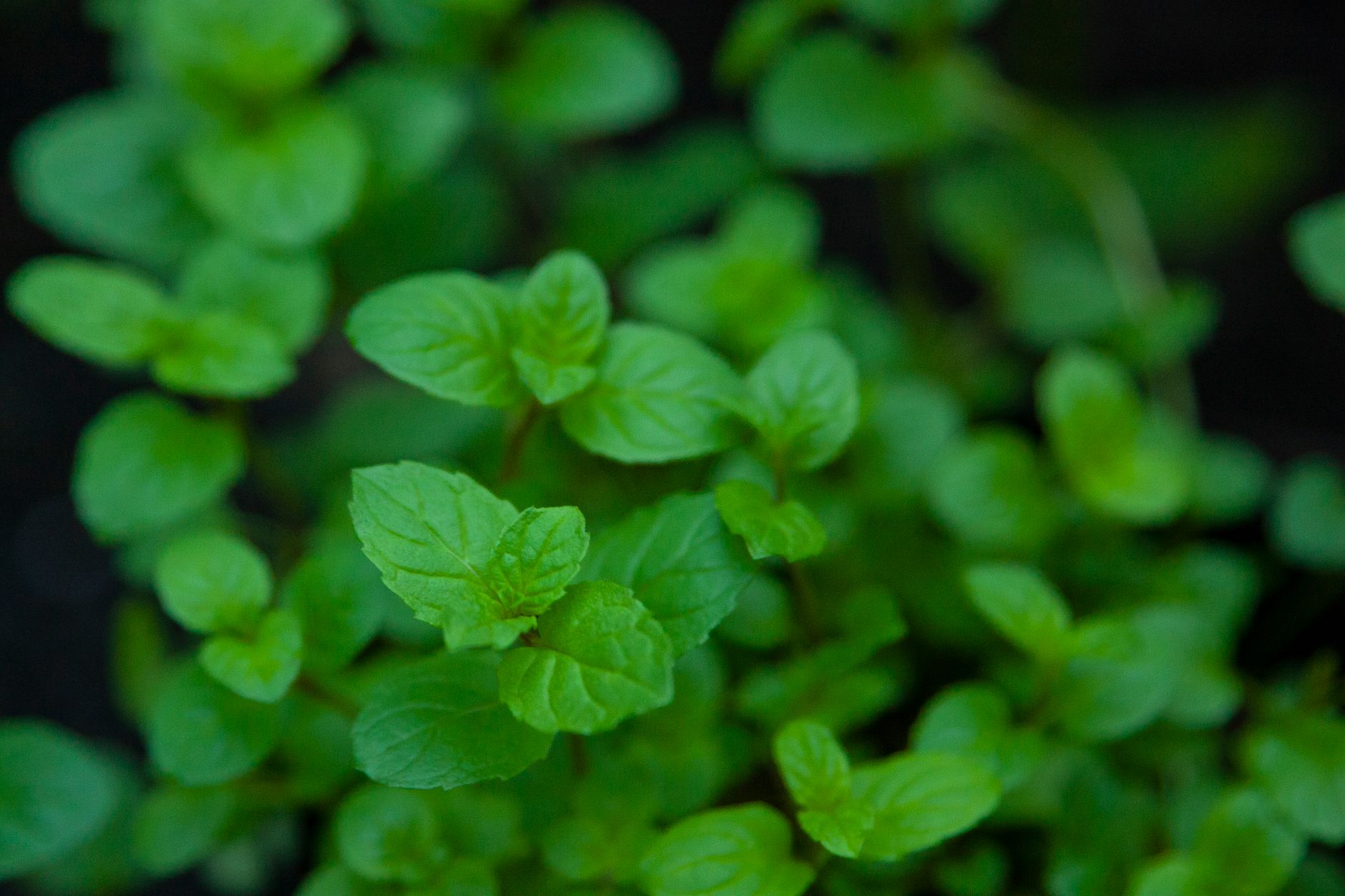
Mint and peppermint often appear interchangeably in recipes and discussions about flavoring, but they are not the same. Understanding the differences between the two is essential for cooking and baking enthusiasts, as it influences the choice of ingredients, flavors, and overall outcomes in various dishes.
In this article, we will delve into the key differences between mint and peppermint, examine their culinary uses, and provide practical tips for selecting, storing, and substituting these aromatic herbs in your kitchen.
Is Mint and Peppermint the Same?
No, mint and peppermint are not the same. Mint refers to a group of plants in the family Lamiaceae, which includes many varieties, while peppermint is a specific hybrid between watermint and spearmint. This distinction can significantly affect both flavor and usage in cooking.
Understanding Mint and Peppermint
Mint encompasses a wide variety of species, including spearmint and peppermint, among others. Peppermint, scientifically known as Mentha × piperita, is distinct due to its strong, aromatic properties and cooling sensation. Here’s a closer look at these two herbs.
Mint Varieties
- Spearmint
- Apple Mint
- Pineapple Mint
- Apple Mint
Peppermint Characteristics
- Flavor: Peppermint has a stronger, more pronounced flavor compared to other mints, often described as cool and slightly spicy.
- Appearance: It has darker green leaves with a smoother texture, and its stems tend to be purplish.
- Culinary Uses: Peppermint is popular in candies, teas, and desserts, as its intense flavor can enhance sweet profiles.
Key Differences Between Mint and Peppermint
Flavor Profile
The primary difference lies in the flavor. Mint (e.g., spearmint) tends to be sweeter and less pungent, while peppermint has a robust and intense flavor that can dominate other ingredients. Depending on the recipe, this difference can significantly alter the intended taste.
Aroma
Peppermint has a distinct, sharp aroma due to higher concentrations of menthol, which gives it that refreshing scent. In contrast, spearmint’s aroma is more subtle and sweet, making it less overpowering.
Culinary Uses
While both herbs can be used interchangeably in some dishes, they suit different culinary applications:
- Mint: Ideal for savory dishes such as sauces, salads, and marinades, along with refreshing drinks like mojitos and mint tea.
- Peppermint: Commonly found in desserts, holiday treats, and beverages like peppermint hot chocolate or peppermint tea.
Health Benefits
Both mint and peppermint contain various essential oils and compounds beneficial for health. However, their effects can vary slightly:
- Mint: Known for aiding digestion, relieving muscle pain, and reducing nausea.
- Peppermint: Particularly effective for helping with headaches, soothing respiratory issues, and digestive ailments.
How to Use Mint and Peppermint in Cooking
Understanding how to use these herbs correctly can enhance your culinary creations. Here are some guidelines based on their unique characteristics.
Culinary Uses for Mint
- Sauces: Use fresh mint in yogurt sauces for dishes like lamb kebabs or tzatziki.
- Salads: Add chopped mint to fruit salads or green salads for a refreshing twist.
- Drinks: Incorporate mint into cocktails like mojitos, or infuse it into lemonade for a refreshing drink.
Culinary Uses for Peppermint
- Desserts: Use peppermint extract or chopped peppermint leaves in brownie, ice cream, or cookie recipes for festive flavors.
- Teas: Brew peppermint leaves for a soothing tea that can aid digestion.
- Chocolate: Combine peppermint with chocolate for classic treats like peppermint bark or candy canes.
Choosing the Right Mint for Your Recipes
When selecting mint or peppermint for your dishes, consider the following factors:
Fresh vs. Dried
- Fresh Mint: Typically provides a more vibrant flavor and aroma. Use within a few days of purchase for the best results.
- Dried Mint: Useful for seasoning and can be substituted in recipes. Generally, use one-third of the dried amount as compared to fresh.
Buying Tips
- Look for bright green leaves that are free from brown spots or wilting.
- Check for a strong aroma, as this indicates freshness.
Storage Tips for Mint and Peppermint
Proper storage ensures that your mint retains its flavor and freshness for as long as possible.
Fresh Mint Storage
- Refrigeration: Place fresh mint in a glass of water like a bouquet and cover it loosely with a plastic bag. Store in the fridge.
- Freezing: Chop and freeze mint in ice cube trays with water or oil for easy future use.
Dried Mint Storage
- Store dried mint in an airtight container in a cool, dark place to preserve its flavor.
- Check the expiration date, as dried herbs lose potency over time.
Common Substitutions for Mint and Peppermint
When a recipe calls for mint or peppermint and you don’t have either, here are some helpful substitutes:
Mint Substitutes
- Fresh Basil: While distinct in flavor, fresh basil can complement similar dishes.
- Thyme: Its earthiness pairs well in savory recipes but lacks the sweetness.
Peppermint Substitutes
- Spearmint: Offers a milder flavor but can work in most dessert recipes.
- Peppermint Extract: An excellent alternative in baked goods or confections. Use half the amount specified for fresh peppermint leaves.
Common Mistakes to Avoid
Understanding these potential pitfalls can enhance your cooking:
- Using the wrong type of mint can overshadow other flavors in your dish.
- Overcooking mint can lead to a bitter taste; add it towards the end of cooking when using fresh leaves.
- Assuming dried herbs have the same potency as fresh; adjust quantities accordingly.
Conclusion
Mint and peppermint are versatile herbs that can elevate your culinary creations when used correctly. Recognizing their differences in flavor, aroma, and uses will empower you to make the best choices in your cooking and baking endeavors. The next time you reach for mint or peppermint, consider how each will enhance your dish.
To explore more flavors and recipe ideas, check out our Peppermint Martini Recipe or discover the benefits of Spearmint Tea.