
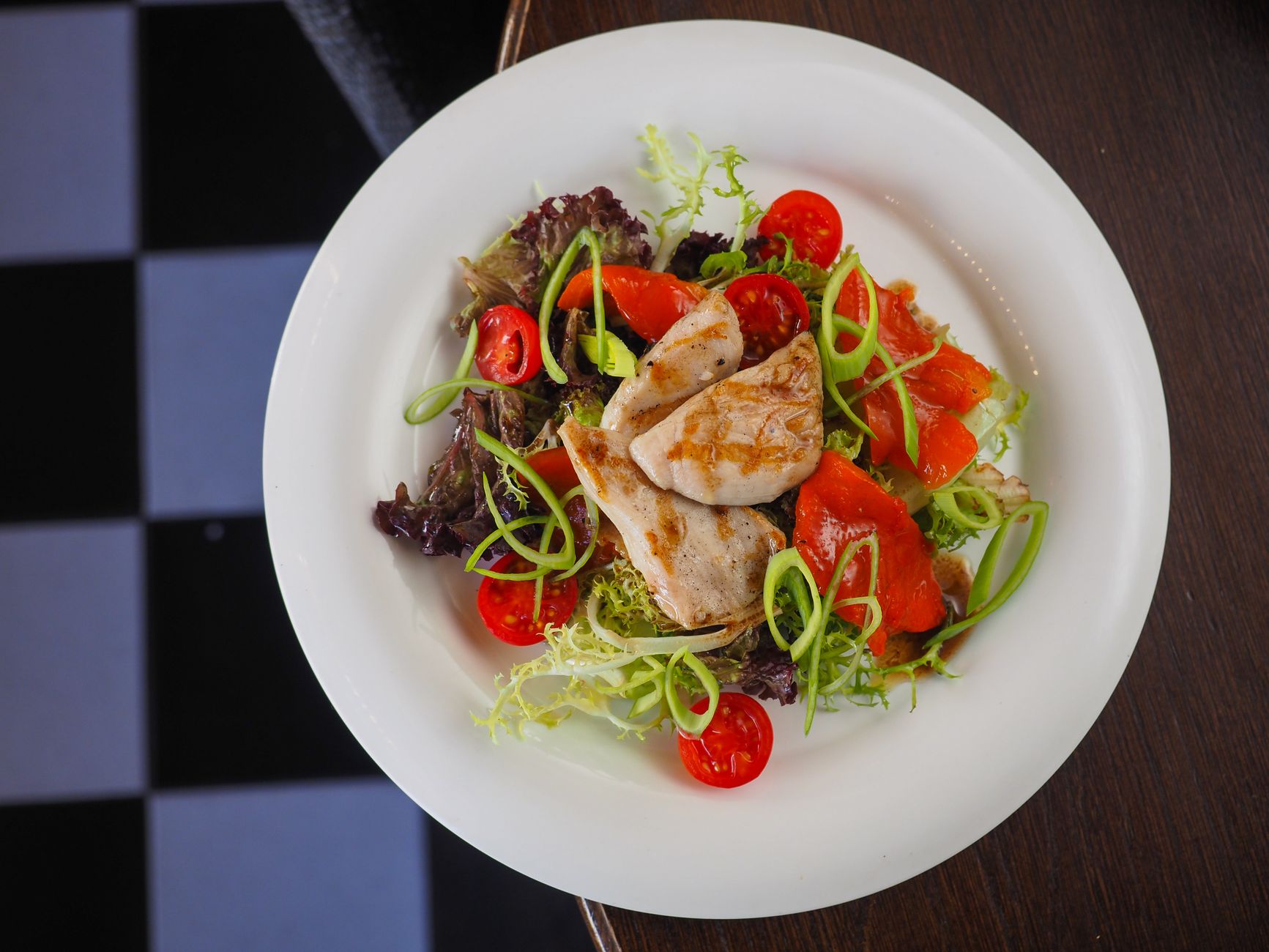
Chicken is often heralded as a go-to protein choice for those on a weight loss journey. It is low in fat, high in protein, and versatile enough to fit into various dietary plans, making it a practical addition to meals aimed at shedding pounds. In this article, we will explore how chicken can contribute to weight loss while considering preparation techniques and meal planning tips.
Understanding the nutritional profile of chicken, the best cooking methods, and incorporating it into a balanced diet will help maximize its benefits for weight management. Let’s dive into these aspects of chicken and weight loss.
Is Chicken Good for Weight Loss?
Yes, chicken can be a beneficial component of a weight-loss diet due to its high protein content and low fat offerings, particularly in cuts like chicken breast. Protein helps to maintain muscle mass while promoting satiety, which can reduce overall calorie intake.
Nutritional Profile of Chicken
Before incorporating chicken into your meals, it’s essential to understand its nutritional makeup. Different cuts of chicken offer varying amounts of calories, protein, and fat. Below is a general overview:
| Cut | Serving Size (3.5 oz) | Calories | Protein (g) | Fat (g) |
|---|---|---|---|---|
| Chicken Breast (cooked, skinless) | 100 g | 165 | 31 | 3.6 |
| Chicken Thigh (cooked, skinless) | 100 g | 209 | 26 | 10.9 |
| Chicken Drumstick (cooked, skinless) | 100 g | 175 | 25 | 7.5 |
| Chicken Wing (cooked, skinless) | 100 g | 203 | 30 | 9.5 |
As seen in the table, chicken breast is notably low in calories and fat while providing a substantial amount of protein. The thigh, drumstick, and wing cuts contain higher fat content, which can be appropriate in moderation depending on dietary needs.
Benefits of Incorporating Chicken into a Weight Loss Diet
High Protein Content
Protein is essential for weight loss as it aids in muscle retention and increase in satiety, which helps regulate hunger. Chicken, especially breast meat, is an excellent source of lean protein, helping you stay full longer and reducing the likelihood of overeating.
Versatility
Chicken can be prepared in countless ways—grilled, baked, boiled, or stir-fried—allowing it to fit within various cuisines and dietary preferences. This versatility makes it easier to cook nutritious meals that are enjoyable, which is vital for sustaining a healthy diet.
Low in Calories
Skinless chicken, particularly the breast portion, typically has a lower calorie count compared to other meats, such as beef or pork. This attribute makes it an ideal choice for those looking to reduce caloric intake while still enjoying flavorful meals.
Contains Essential Nutrients
In addition to protein, chicken is packed with essential nutrients such as B vitamins (B3, B6) and selenium, which are important for metabolic function and maintaining immune health.
Cooking Methods for Weight Loss
The way chicken is prepared can significantly impact its caloric content and overall health benefits. Here are some recommended cooking methods that keep chicken healthy and suitable for weight loss:
Grilling
Grilling chicken allows excess fat to drip off, resulting in a leaner meal. It imparts a delicious smoky flavor without needing additional fats or oils. Marinating chicken in herbs and spices can enhance its taste while keeping it lean.
Baking
Baking chicken is another healthy cooking option. Use skinless pieces and avoid excessive oils or sauces to reduce calorie intake. Baking at a temperature of around 375°F (190°C) can yield tender, juicy chicken.
Boiling or Poaching
Boiling or poaching chicken in water or broth without added fats is a great way to prepare a healthy dish. The meat can be shredded for salads or wraps, providing a low-calorie protein source.
Stir-Frying
If using this method, opt for minimal oil and combine with plenty of colorful vegetables to create a balanced meal. Choose one that is flavored with herbs and spices rather than heavy sauces.
Meal Planning with Chicken
Effective meal planning is crucial for weight loss success. Here’s how to incorporate chicken into your weekly meals:
Batch Cooking
Prepare chicken in bulk at the beginning of the week. Cook various portions as outlined earlier—grilling, baking, or boiling. Store the cooked chicken in the refrigerator for up to four days or freeze for longer storage.
Meal Ideas
- Grilled Chicken Salad: Combine grilled chicken with a mix of greens, cherry tomatoes, cucumbers, and a light vinaigrette.
- Baked Chicken with Vegetables: Bake chicken with a variety of seasonal vegetables for a nutrient-dense meal.
- Chicken Stir-Fry: Use shredded chicken with florets of broccoli, bell peppers, and carrots in a light sauce.
- Chicken Wrap: Fill a whole grain wrap with sliced chicken, spinach, and avocado.
Portion Control
Aim for a portion of 3 to 4 ounces of chicken per meal. This amount provides sufficient protein without excess calories, while also pairing well with various side dishes like vegetables, whole grains, or legumes.
Common Mistakes to Avoid
While cooking and consuming chicken can be straightforward, there are common pitfalls that can counteract weight loss efforts:
Excessive Use of Sauces
Many sauces can add unnecessary calories and sugars. Instead, focus on herbs, spices, and natural marinades, such as lemon juice and vinegar, to enhance flavor.
Choosing Skin-on Cuts
Opting for skin-on chicken can significantly increase fat content. When trying to lose weight, choose skinless options to reduce calorie intake while benefiting from the protein-rich meat.
Overcooking
Overcooked chicken can become dry and tough, making it less appealing. This might lead to the addition of fatty sauces or toppings. Cook chicken properly until it reaches an internal temperature of 165°F (74°C) for safety and palatability.
Not Balancing Meals
While chicken is a great protein source, it should not be the only component of your meal. Balance chicken dishes with plenty of vegetables and healthy fats to create a well-rounded plate.
Storage and Reheating Tips
Knowing how to store and reheat chicken properly can help maintain its quality and ensure it remains a safe eating option. Here are guidelines to follow:
Storage
- Cool cooked chicken to room temperature before storing it in an airtight container.
- Refrigerate cooked chicken if consuming within four days; otherwise, freeze it for long-term storage.
- Properly label and date your packaged chicken to ensure freshness.
Reheating
When reheating chicken, ensure it reaches an internal temperature of 165°F (74°C) to kill any bacteria. Use methods like microwave, oven, or stovetop, ensuring it is heated evenly. Avoid reheating multiple times to maintain freshness and safety.
Conclusion
Chicken can be an effective food choice for those looking to lose weight due to its lean protein content, versatility, and relatively low calories. By utilizing healthy cooking techniques and proper meal planning, chicken can easily become a staple in weight loss diets. Make a point to explore dishes, such as grilled chicken salads, baked chicken with vegetables, and chicken stir-fries, to keep your meals both nutritious and enjoyable.
For further insights on cooking chicken, including freezing cooked chicken and understanding how long it lasts, explore more recipes and tips on our site.