
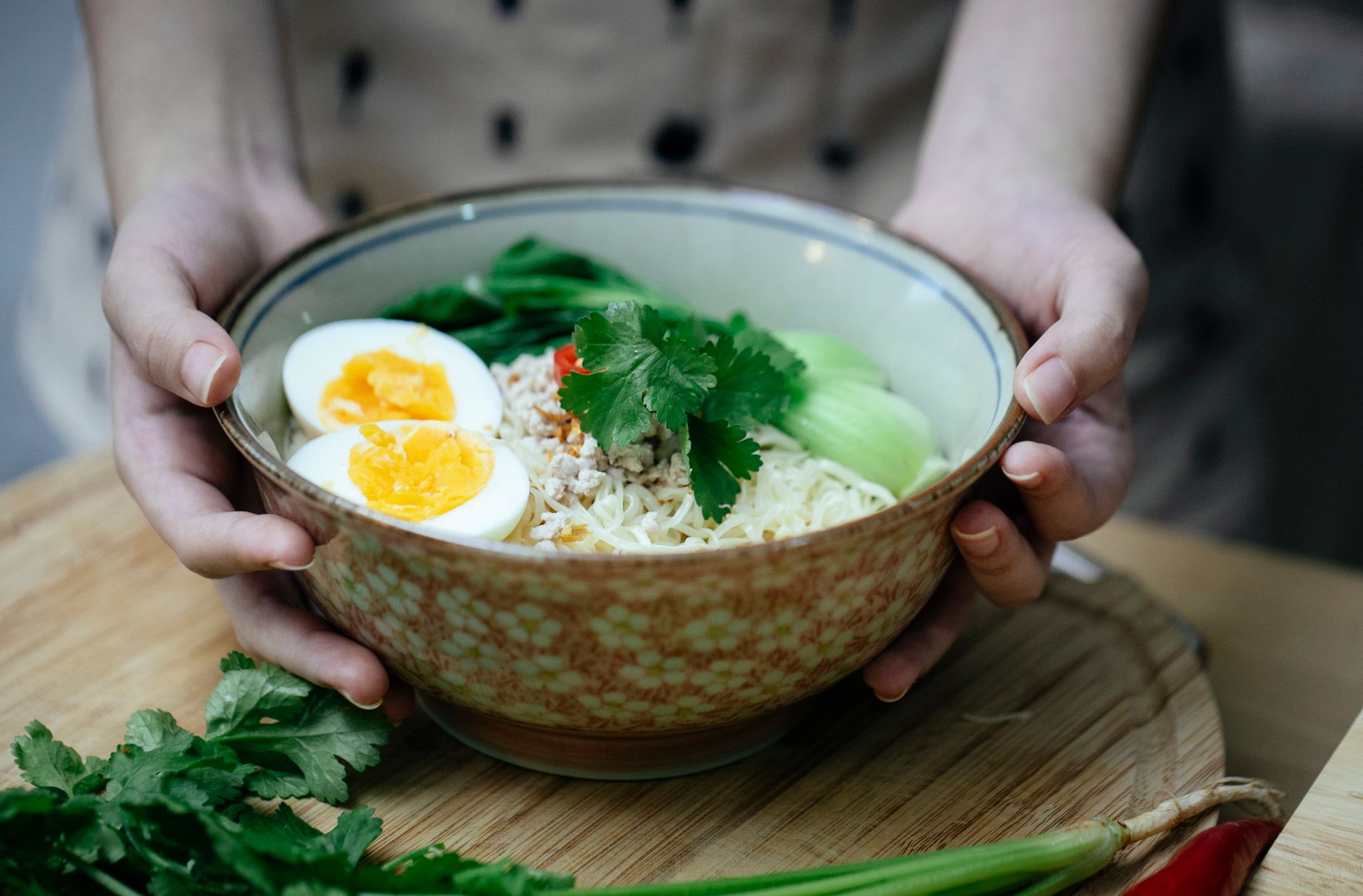
Egg noodles are a versatile type of pasta made from wheat flour, water, and eggs. Known for their rich flavor and slightly chewy texture, they serve as a canvas for a variety of sauces and ingredients in numerous dishes. From hearty casseroles to light stir-fries, egg noodles can elevate both the taste and enjoyment of your meals.
This guide explores what egg noodles are, including their ingredients, taste profile, and various culinary applications. Whether you’re a seasoned cook or a novice in the kitchen, understanding egg noodles will enhance your cooking repertoire.
What Are Egg Noodles?
Egg noodles are a traditional pasta variety primarily made of enriched wheat flour and eggs. They differ from regular noodles primarily by their inclusion of eggs, which impart a distinct flavor and a richer yellow hue. Often found in various cuisines, egg noodles can come in different shapes and sizes including wide, thin, or even ribbon-like strands.
Ingredients in Egg Noodles
The basic ingredients of egg noodles are straightforward, making them easy to whip up at home or find in stores. Here’s a breakdown of what you need:
- Wheat Flour: The primary component, which can be all-purpose or specialized flour like semolina for added texture.
- Eggs: Whole eggs are most commonly used, providing both moisture and protein, which contributes to the noodles’ structure.
- Water: Used to create the dough, though sometimes it may not be necessary due to the moisture content in the eggs.
- Salt: Optional but often included to enhance flavor.
Taste and Texture of Egg Noodles
Egg noodles have a unique taste and texture that set them apart from regular pasta. The inclusion of eggs gives them a richer flavor profile, making them a delightful addition to many dishes. They typically feature a smooth, slightly chewy texture, which allows them to absorb sauces well without becoming mushy.
When cooked, they have a slightly slippery quality, thanks to the eggs, making them enjoyable in everything from soups to stir-fries. Their eggy flavor resonates particularly well with dishes that include cream or cheese, amplifying the overall richness of the meal.
Culinary Uses of Egg Noodles
Egg noodles are incredibly versatile and can be used in various cuisines around the world. Here are some popular culinary usages:
1. Soups
Egg noodles are often found in soups, providing a comforting base for broth-based dishes. They are commonly used in chicken noodle soup, where their hearty texture complements tender chicken and vegetables.
2. Asian Dishes
In Asian cooking, particularly in Chinese and Southeast Asian cuisine, egg noodles are featured in dishes such as chow mein and lo mein. They can be stir-fried with vegetables, proteins, and flavorful sauces for a quick meal.
3. Casseroles
Egg noodles are popular in casseroles, such as those with creamy sauce, cheese, and veggies. Their structure allows them to hold ingredients together, providing a filling main course.
4. Salads
Chilled egg noodle salads are common in both Eastern and Western cuisines. They can be tossed with fresh vegetables, proteins, and a light vinaigrette for a refreshing dish.
5. Side Dishes
Egg noodles can also serve as a side dish, served simply with butter, herbs, or grated cheese. Their subtle flavor pairs well with various meats, making them a good accompaniment to any protein.
Cooking with Egg Noodles
Cooking egg noodles is a straightforward process, but there are specific techniques to achieve the best results. Here’s how to cook them properly:
How to Cook Egg Noodles
- Preparation: Begin by bringing a large pot of salted water to a boil. The salt adds flavor to the noodles as they cook.
- Add the Noodles: Once the water is boiling, add the egg noodles. Stir them gently to prevent sticking.
- Cooking Time: Check the cooking time on the package as it can vary. Generally, egg noodles cook in about 5-10 minutes. Taste a noodle towards the end of the cooking time to ensure it’s cooked to your liking.
- Drain: Once cooked, drain the noodles in a colander. Rinse briefly under cold water if using them for a salad or stir-fry, which helps stop the cooking process.
- Serve or Store: Incorporate them into your desired dish immediately, or store them in an airtight container if not using right away.
Making Egg Noodles at Home
Making egg noodles at home can be a rewarding experience. Here’s a simple method to prepare homemade egg noodles:
Homemade Egg Noodles Recipe
This recipe yields about 4 servings.
- Ingredients:
- 2 cups all-purpose flour
- 3 large eggs
- 1/2 teaspoon salt
Essential Equipment:
- Mixing bowl
- Pasta maker or rolling pin
- Knife or pasta cutter
- Colander
Method:
- Mix Ingredients: In a mixing bowl, combine the flour and salt. Make a well in the center and crack the eggs into it. Using a fork, beat the eggs gently and gradually incorporate the flour until it forms a dough.
- Knead the Dough: Turn the dough onto a floured surface and knead for about 5-7 minutes, until smooth. If it’s too sticky, add a little more flour as needed.
- Rest: Wrap the dough in plastic wrap and let it rest for about 30 minutes at room temperature. This helps the gluten relax, making it easier to roll out.
- Roll Out: Divide the dough into quarters. Roll out each piece to your desired thickness, about 1/8 inch for standard noodles.
- Cut: Use a knife or pasta cutter to slice the rolled dough into noodles of your desired width.
- Cook: Boil the noodles in salted water for about 3-5 minutes or until al dente, then drain and serve.
Tips for Cooking and Serving Egg Noodles
Cooking egg noodles can be simple, but there are some tips to keep in mind to elevate your dish:
- Don’t Overcook: Egg noodles can become mushy if overcooked. Keep an eye on them and taste test for doneness.
- Reserve Pasta Water: If incorporating into a sauce, reserve some pasta water. Adding a splash can help the sauce cling better to the noodles.
- Dressings and Sauces: Use a variety of sauces, from cream-based to broth-based, to flavor your egg noodles. Experiment with different ingredients for variety.
- Garnishes: Fresh herbs, grated cheese, or toasted nuts can add exciting flavor and texture to your dish.
Common Mistakes When Cooking Egg Noodles
Like any cooking endeavor, mistakes can happen when preparing egg noodles. Here are some common pitfalls and how to avoid them:
- Not Salting the Water: Skipping salt can lead to bland noodles. Always add salt to your boiling water.
- Overcrowding the Pot: Cooking too many noodles at once may lead to uneven cooking. Use a large pot to allow them to cook freely.
- Skipping the Cooling Process: Rinsing noodles right after boiling can remove excess starch, which helps sauces coat the noodles. Only rinse if they are in a cold dish, like a salad.
Storage and Reheating of Egg Noodles
If you have leftover egg noodles, proper storage can ensure they stay fresh:
Storage Guidelines
- Refrigeration: Store cooked egg noodles in an airtight container in the refrigerator. They can last for 3-5 days.
- Freezing: To extend their shelf life, you can freeze cooked egg noodles in a freezer-safe container for up to 2 months. Thaw in the refrigerator before reheating.
Reheating Tips
- Stovetop: Reheat on the stovetop with a small amount of water or sauce to prevent drying out.
- Microwave: Heat in the microwave using a covered dish; add a splash of water to help maintain moisture.
Alternative Ingredients and Substitutions
Egg noodles can be made with various flour types or swapped for alternatives if necessary. Here are some considerations:
- Gluten-Free Options: Substitute regular flour with gluten-free flour blends. Note that texture and flavor will differ slightly.
- Other Liquid Options: Instead of using water, try using broth for added flavor in the dough.
- Vegetables: Incorporate pureed vegetables, like spinach or beetroot, into the noodle dough for added color and nutrition.
Exploring Variations of Egg Noodles
While traditional egg noodles are simple, variations abound and can include:
- Wide Egg Noodles: Often used in casseroles, these noodles provide a heartier bite.
- Thin Egg Noodles: Typically included in soups, these noodles cook quickly and add a light texture.
- Homemade Flavored Noodles: Infuse dough with spices or herbs for an exciting twist.
Conclusion
Egg noodles are a flexible and delightful addition to many dishes, favored for their taste and texture. Understanding how to prepare, store, and use them can expand your culinary skills, allowing you to enhance various meals with this comforting ingredient. Whether using them to create a warming soup, a satisfying stir-fry, or a creamy casserole, egg noodles are sure to become a staple in your kitchen.
You may also enjoy learning more about what makes pasta unique through our guide on what pasta is made of or explore the characteristics of udon noodles and how they differ from egg noodles.