
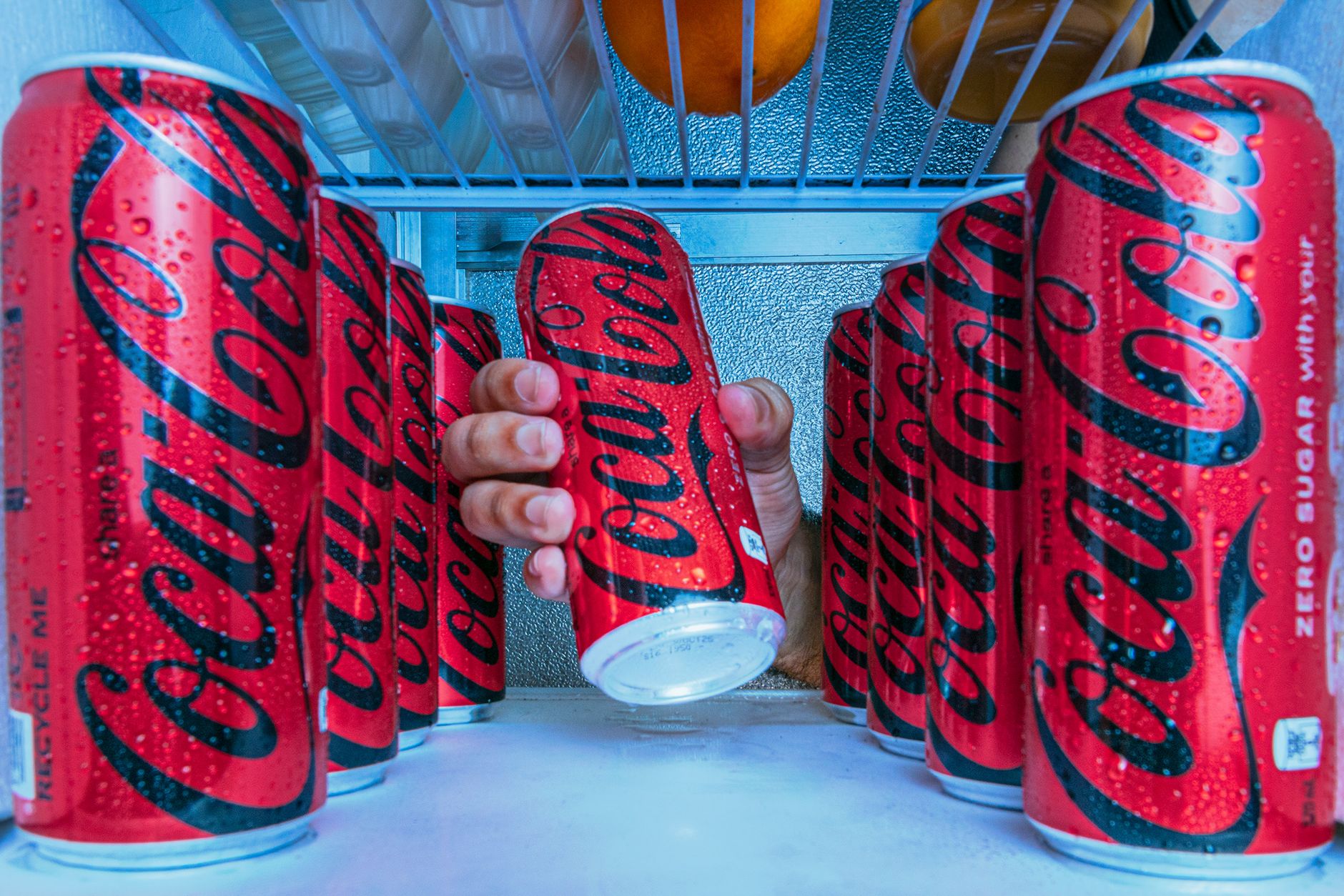
Coke Zero, known for its distinct taste and zero calories, has rapidly gained popularity among those looking to reduce sugar intake while still enjoying a fizzy drink. However, concerns have emerged surrounding its health implications. The following exploration will look into the ingredients of Coke Zero, potential health risks, and whether it truly deserves a place in your diet.
In this article, we will evaluate the nutritional aspects of Coke Zero, the role of artificial sweeteners, and what research says about its impact on health. We will also provide practical advice for those who enjoy beverages like Coke Zero and want to balance their consumption.
How Bad Is Coke Zero For You?
Answering how bad Coke Zero is for you requires examining its ingredients and the research surrounding its health implications. While Coke Zero is calorie-free and sugar-free, it contains artificial sweeteners and other additives that may pose health risks when consumed in excess.
Ingredients Breakdown
Coke Zero contains a few key ingredients that contribute to its unique flavor profile and calorie-free status. Understanding each component can clarify its implications for health.
- Carbonated Water: This is the primary ingredient and provides the fizzy texture without any calories.
- Caramel Color: Used for coloring, this ingredient has been linked to various health concerns, although it is generally recognized as safe in small amounts.
- Phosphoric Acid: This gives Coke Zero its tangy flavor, but excessive consumption has been linked to lower bone density and may affect kidney function.
- Aspertame and Acesulfame Potassium: These artificial sweeteners contribute to the drink’s sweetness without adding calories. Their safety is debated, with some studies suggesting potential links to metabolic disorders.
- Caffeine: Coke Zero contains caffeine, which can have both positive and negative effects, depending on the amount consumed.
- Natural Flavors: These are proprietary blends of flavor compounds derived from plant sources and are generally regarded as safe.
The Role of Artificial Sweeteners
Artificial sweeteners are a central topic in discussions about drinks like Coke Zero. They provide sweetness without the caloric content of sugar, making them appealing for weight management. However, their safety and impact on health continue to be scrutinized.
Types of Artificial Sweeteners Found in Coke Zero
Coke Zero primarily uses aspartame and acesulfame potassium. Here’s a closer look at each:
- Aspartame: Approximately 200 times sweeter than sugar, aspartame has been linked to health discussions for years. Some studies suggest that it may be associated with health risks such as headaches, allergic reactions, and perhaps even metabolic issues, though definitive conclusions are still debated.
- Acesulfame Potassium: Often used in conjunction with aspartame to create a more sugar-like taste, some studies have raised concerns about its potential impact on glucose metabolism and gut health.
Health Implications of Artificial Sweeteners
Research on the long-term effects of artificial sweeteners is still developing. Some researchers suggest that although they are generally safe, excessive consumption could potentially lead to weight gain by disrupting appetite regulation. Furthermore, there is some evidence indicating a link between artificial sweeteners and increased risk factors for metabolic syndrome, diabetes, and cardiovascular disease.
Potential Health Risks
It’s essential to recognize that Coke Zero and other soft drinks do not typically constitute a balanced diet. Here are some potential health risks associated with consuming Coke Zero regularly:
- Bone Health: Phosphoric acid may leach calcium from bones, leading to a higher risk of osteoporosis.
- Weight Management: Although calorie-free, the consumption of artificial sweeteners might confuse metabolic processes, leading to weight gain or difficulty maintaining a healthy weight.
- Dental Erosion: The acidity in Coke Zero can contribute to enamel erosion, leading to dental problems over time.
- Caffeine Sensitivity: As a caffeinated beverage, excessive intake can lead to insomnia, restlessness, and increased heart rate.
Moderation Is Key
One of the critical takeaways regarding Coke Zero consumption is the importance of moderation. While it can fit into an overall healthy lifestyle, frequent or excessive consumption may lead to various health concerns.
Here are some guidelines to enjoy Coke Zero responsibly:
- Consider replacing Coke Zero with water or herbal teas when possible, allowing for hydration without the added sweeteners.
- Use Coke Zero as an occasional treat rather than a daily beverage.
- Be mindful of the total intake of artificial sweeteners from all sources in your diet.
The Bottom Line
Ultimately, whether Coke Zero is “bad” for you often comes down to individual health conditions and consumption habits. While it is calorie-free and sugar-free, it contains artificial sweeteners and additives that may pose risks when consumed in excess. Adequate consumption, along with a well-rounded diet rich in whole foods, can allow you to enjoy Coke Zero without significant negative health impacts.
Alternatives to Coke Zero
If you are looking to reduce your consumption of Coke Zero or prefer more natural options, there are several alternatives to consider:
- Sparkling Water: Naturally carbonated water can provide the fizz you crave without any additives.
- Herbal Teas: Many herbal teas can be enjoyed hot or iced. They provide a range of flavors without added sugars or calories.
- Infused Water: Adding fruits, herbs, or citrus slices to water can create a refreshing drink with natural flavor.
Frequently Asked Questions
Is Coke Zero safe during pregnancy?
While moderate consumption of Coke Zero is considered safe during pregnancy, it’s crucial to monitor your caffeine intake and consumption of artificial sweeteners. Always consult with a healthcare provider regarding your dietary choices during pregnancy.
Can Coke Zero help with weight loss?
While Coke Zero contains no calories, relying heavily on artificial sweeteners may hinder weight loss efforts for some individuals. A balanced diet and lifestyle choices tend to produce more sustainable results.
Conclusion
Coke Zero can be enjoyed in moderation as part of a balanced diet, but it is not without potential health implications. Awareness of its ingredients and the associated risks can help you make wiser choices. If you choose to enjoy Coke Zero, doing so occasionally and alongside a healthy diet is a more sensible approach.
For those looking to explore more about diet beverages, check out our articles on how diet sodas like Diet Dr Pepper compare in terms of caffeine content or whether common condiments like mayonnaise fit a healthy eating plan.