
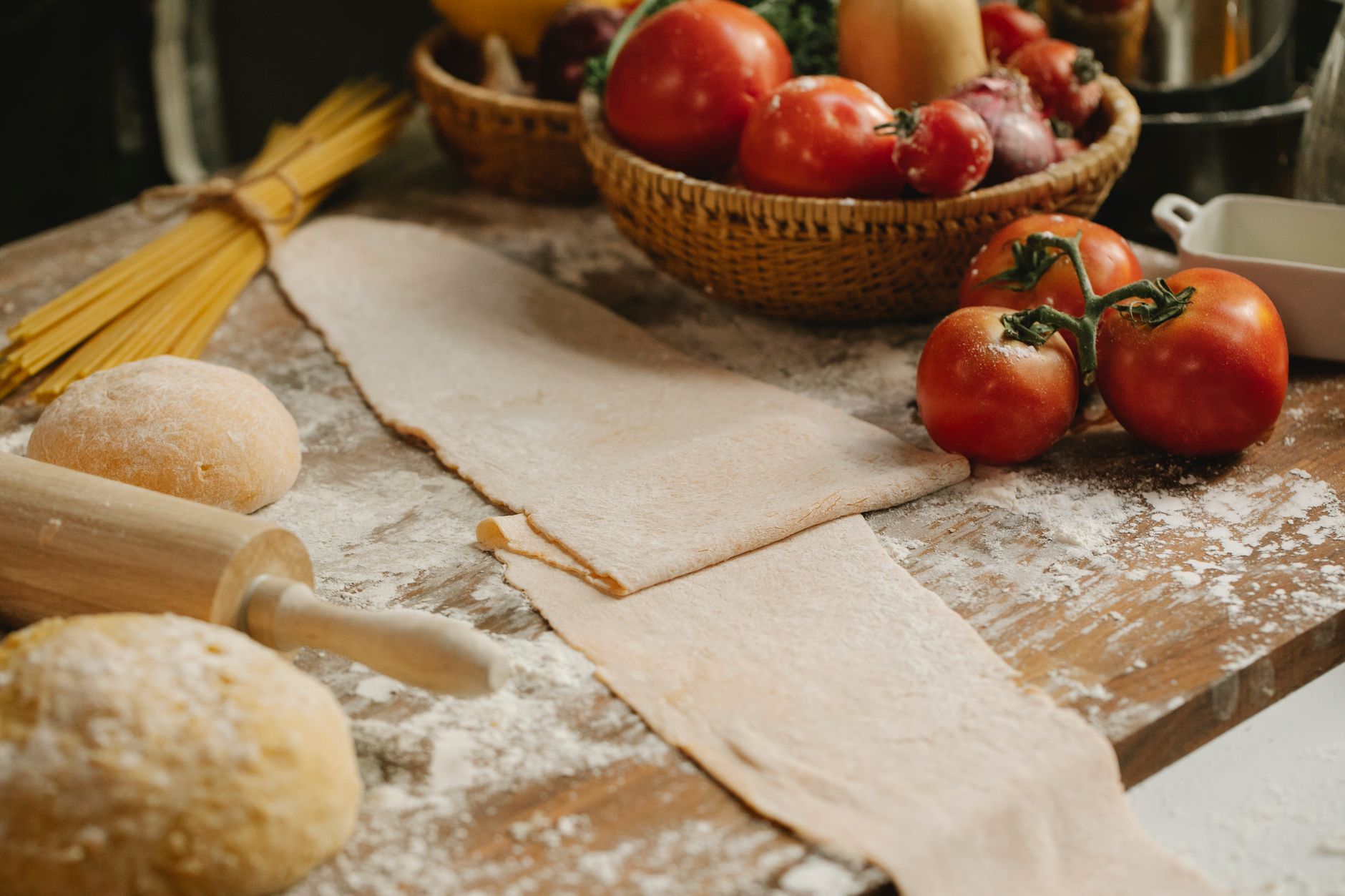
Pasta is a culinary staple enjoyed around the world, revered for its versatility and ability to complement a wide array of ingredients and sauces. Understanding what pasta is made of can enhance your appreciation of this beloved food and help you choose the right type for your dishes.
This article explores the essential components of pasta, its various forms, and how these elements contribute to its taste and texture. Whether you are a seasoned home cook or just starting out, knowing the ins and outs of pasta will elevate your cooking experience.
What Is Pasta Made Of?
Pasta is primarily made from two main ingredients: flour and water. However, the type of flour used and additional components can vary widely, affecting the flavor, texture, and appearance of the finished product.
The Core Ingredients of Pasta
1. Flour
The base of most pasta is flour, which gives it structure and texture. The type of flour used can greatly impact the final product.
- Durum Wheat Semolina: Most traditional pasta is made from durum wheat semolina, known for its high protein content and gluten strength. This flour produces a firm, elastic pasta that holds its shape well during cooking.
- All-Purpose Flour: While not typical for traditional pasta, all-purpose flour can be used for making pasta, especially in certain homemade recipes, resulting in softer pasta.
- Other Flours: Whole wheat flour, gluten-free flour blends (like rice or chickpea flour), and specialty flours (such as spelt or farro) are also used to create different flavors and textures in pasta.
2. Water
Water hydrates the flour, allowing the gluten to develop. The amount of water added can affect the dough’s consistency and the final pasta texture. Warm or hot water may be used for some pasta recipes to aid in hydration.
3. Eggs (Optional)
Some pasta recipes, particularly fresh pasta, incorporate eggs, adding richness and flavor. This type of pasta tends to be softer, with a slightly different texture than egg-free pasta and often enhances dishes like fettuccine and lasagna.
Different Types of Pasta
Pasta comes in many shapes and sizes, each suited for specific dishes or sauces. The primary distinctions can be grouped into two categories: fresh pasta and dried pasta.
1. Fresh Pasta
Fresh pasta is typically made with eggs and flour. It has a soft, tender texture and is usually used in recipes where a delicate fresh flavor is desired. Common types include:
- Tagliatelle: Long, flat noodles ideal for rich sauces.
- Ravioli: Stuffed pasta usually filled with cheese, meat, or vegetables.
- Pappardelle: Wide ribbons perfect for hearty sauces.
2. Dried Pasta
Dried pasta is made from semolina flour and water. It is dehydrated for shelf stability and offers a firmer texture when cooked. Popular variations include:
- Spaghetti: Long, thin noodles that pair well with a variety of sauces.
- Penne: Short, tube-shaped pasta often used in baked dishes and salads.
- Fusilli: Spiral-shaped pasta great for holding onto sauces.
Flavor and Texture Factors
The characteristics of pasta can be influenced by the specific ingredients used and their proportions. Understanding these factors allows for more intentional cooking and ingredient selection.
1. The Role of Gluten
Gluten, a protein found in wheat, is responsible for pasta’s chewiness and elasticity. The amount of gluten varies with the type of flour used. For example, high-gluten durum wheat flour creates a firmer pasta, while lower gluten levels in all-purpose flour make for softer textures.
2. Eggs and Flavor
When used, eggs contribute to the overall flavor and richness of pasta. Egg-based pasta might have a creamy, slightly sweet taste, which pairs exceptionally well with lighter sauces, delving into Italian cuisine’s richness.
Making Homemade Pasta
Making pasta from scratch can be a rewarding experience. Here’s a simple process to create fresh pasta at home.
Essential Equipment
- Mixing bowl
- Rolling pin or pasta machine
- Knife or pasta cutter
- Flour for dusting
Ingredients
- 2 cups all-purpose flour or durum wheat flour
- 3 large eggs
- ¼ teaspoon salt
Method
- Place flour and salt in a mixing bowl; create a well in the center.
- Crack eggs into the well; using a fork, slowly incorporate flour into the eggs until a shaggy dough forms.
- Knead the dough on a floured surface for about 8-10 minutes until smooth and elastic.
- Wrap in plastic wrap; let it rest for at least 30 minutes at room temperature.
- Roll out the dough using a rolling pin or pasta machine to desired thickness.
- Cut into desired shapes, dusting with flour to prevent sticking.
Common Mistakes When Making Pasta
Even seasoned cooks can face challenges in homemade pasta. Here are some common pitfalls and tips to avoid them:
- Incorrect Flour Type: Using the wrong flour can lead to undesirable textures. Stick to durum wheat semolina for traditional pasta.
- Skipping the Rest: Don’t skip the resting phase. It allows the gluten to relax, making the dough easier to roll out.
- Overcooking Fresh Pasta: Fresh pasta cooks much faster than dried pasta. Keep an eye on it for the perfect timing.
Pasta Storage and Reheating
How you store and reheat pasta can ensure it retains its best quality. Here are some guidelines:
1. Fresh Pasta Storage
If you’ve made fresh pasta, it can be kept in the refrigerator for about 2-3 days. For longer storage, freeze it in a single layer on a baking sheet, then transfer it to a freezer bag.
2. Cooked Pasta Storage
Cooked pasta also holds up well under proper storage. Place it in an airtight container in the refrigerator for up to a week, or freeze it for up to 3 months. Reheat gently to avoid mushiness.
3. Reheating Tips
The best way to reheat pasta is by adding a little oil or water and heating it in a skillet over low heat or in the microwave. Be sure to stir occasionally to ensure even heating.
Pasta Substitutions
If you’re looking to explore alternatives or accommodate dietary restrictions, there are numerous options available:
- Gluten-Free Pasta: Various gluten-free options are available, including rice, quinoa, and chickpea pasta. Be cautious, as their cooking times and textures differ from traditional pasta.
- Whole Wheat Pasta: For a healthy twist, whole wheat pasta offers more fiber and a nuttier flavor.
- Zucchini Noodles (Zoodles): A popular low-carb alternative, spiralized zucchini can be a fresh addition to pasta dishes, though it has a very different texture and moisture content.
Pairing Pasta with Sauces
Your choice of pasta can affect the outcome of your dish, especially when paired with sauces. Here are some combinations to consider:
- Spaghetti: Ideal for lighter, tomato-based sauces such as marinara or aglio e olio.
- Penne: Works well with chunkier sauces like arrabbiata or in baked dishes with cheese.
- Fettuccine: Pairs beautifully with creamy sauces like Alfredo.
Pasta in Different Cuisines
Pasta transcends borders and is adapted into numerous cuisines worldwide. Each region has its unique takes and specialties, showcasing the ingredient’s versatility.
1. Italian Cuisine
In Italy, pasta is a serious matter, with a myriad of shapes and sauces tailored to regional preferences. Dishes like lasagna and carbonara exemplify the Italian passion for pasta.
2. Asian Noodles
Asian cultures produce their styles of noodles (e.g., soba, rice noodles) that may share similarities with pasta but are distinct in ingredients and preparation. For instance, rice noodles are made from rice flour and water, catering to gluten-free diets.
3. Global Influences
Pasta has crossed cultural boundaries, with creative fusion dishes emerging worldwide. It can be found in various forms, from spicy Asian stir-fries to savory casseroles in North American cuisine.
Conclusion
Pasta is made primarily from flour and water, with variations that enrich its flavor, texture, and versatility. By understanding the different types of pasta, their ingredients, and how to make and pair them, you can enhance your culinary creations and enjoy this timeless food even more.
If you’re inspired to try your hand at making pasta, explore our Orecchiette Pasta Recipe for a unique twist or the Ditalini Pasta Recipe for a comforting, classic dish. Whether experimenting with fresh ingredients or diving into traditional recipes, the possibilities are endless. Enjoy your culinary adventures!