
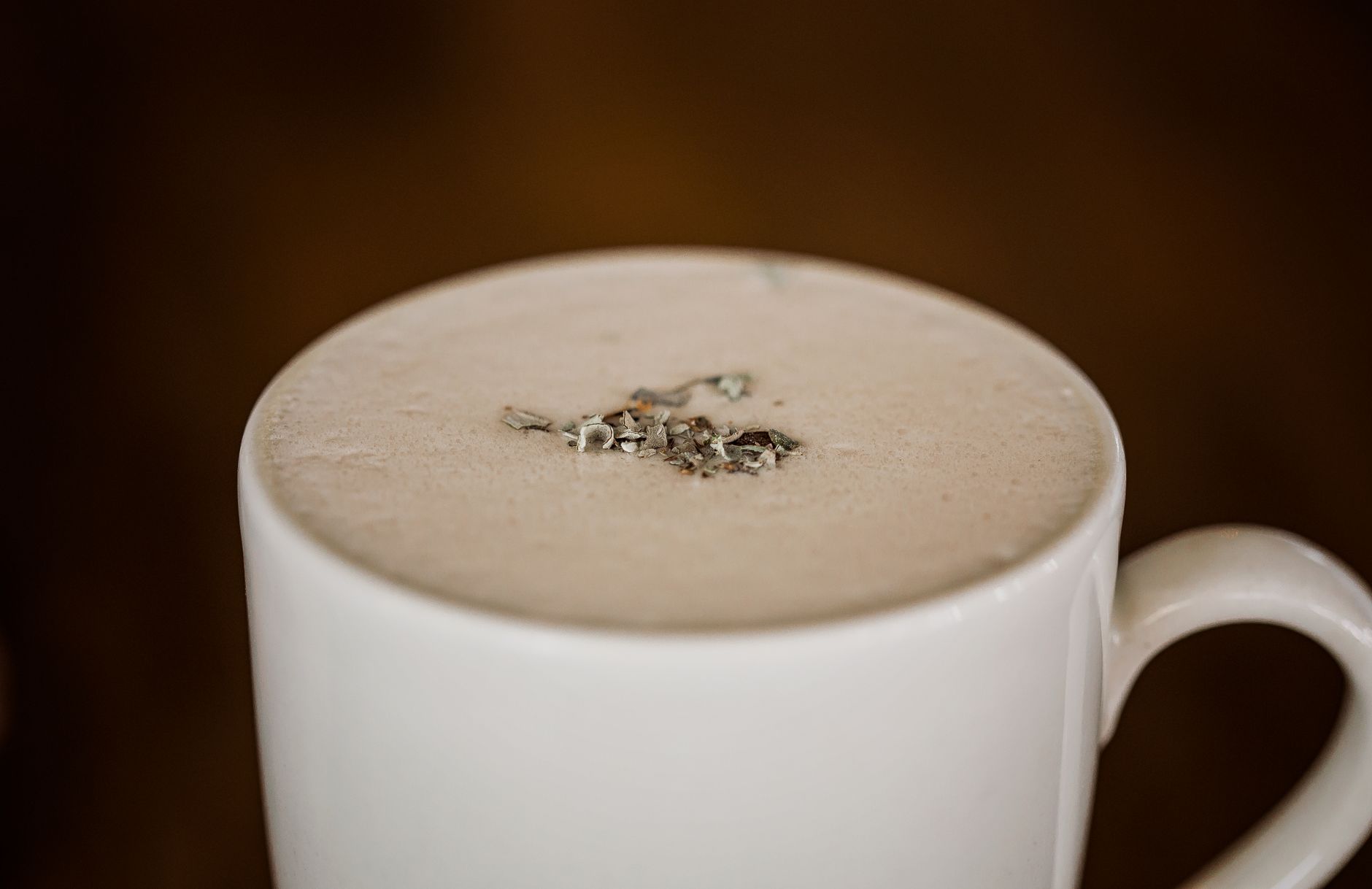
Chai lattes have become a popular beverage choice, combining the rich flavors of spiced tea with creamy milk. However, a common question arises: do chai lattes contain coffee? This article delves into the composition of chai lattes, clarifying the presence (or absence) of coffee and providing insights into its ingredients, preparation methods, and variations.
Understanding what goes into a chai latte can help you make informed choices about your daily caffeine intake, whether you’re preparing them at home or ordering one at a café. This guide will explore the characteristics of chai, how it differs from coffee beverages, and practical ways to enjoy chai lattes.
Do Chai Lattes Have Coffee?
No, chai lattes do not typically contain coffee. A chai latte is primarily made from black tea, mixed with steamed milk and spices such as cinnamon, cardamom, ginger, and cloves. However, some variations may add a shot of espresso to create what is known as a “dirty chai latte.” This mix combines the flavors of chai with the rich, bold notes of espresso.
What Is Chai?
The term ‘chai’ simply means ‘tea’ in Hindi and many other languages across India and South Asia. However, in the Western context, ‘chai’ often refers to a specific blend that includes black tea boiled with various spices and milk. It’s a comforting drink that balances spicy, sweet, and creamy elements.
Traditional Chai Components
- Black Tea: Typically, Assam tea is used for its robust flavor, but other black teas may also be employed.
- Spices: Common spices include cardamom, ginger, cinnamon, cloves, and black pepper.
- Milk: Whole, almond, or oat milk are commonly used to create a creamy texture and flavor.
- Sweetener: Sugar, honey, or other sweeteners can be added according to preference.
The Differences Between Chai and Coffee
When considering beverages like chai lattes and coffee, it’s essential to recognize their fundamental differences in ingredients and flavor profiles.
Ingredients and Preparation Methods
While coffee is brewed from roasted coffee beans, chai lattes rely on brewed black tea. The preparation for each drink is also distinct:
- Chai Preparation: Begin by boiling water and adding black tea and spices. Simmer to extract flavors, then add milk and sweetener before straining and serving.
- Coffee Preparation: Coffee is typically brewed via methods like drip, French press, or espresso, using hot water to extract flavors from the ground coffee.
Flavor Profiles
Chai lattes have a warm, spicy sweetness characterized by an aromatic blend of spices. In contrast, coffee has a more complex flavor spectrum, ranging from nutty to bitter, often determined by the roast type and preparation method.
How to Make a Classic Chai Latte
Making a chai latte at home allows you to control the ingredients and adjust the flavor to suit your taste preferences. Here’s a recipe for a classic chai latte:
Recipe Overview
- Yield: 2 servings
- Preparation Time: 10 minutes
- Cooking Time: 10 minutes
- Total Time: 20 minutes
Ingredients
- 2 cups of water
- 2 tablespoons of black tea (loose leaf or tea bags)
- 1-2 tablespoons of sugar (to taste)
- 1 inch of fresh ginger (sliced or grated)
- 2-3 cardamom pods (crushed)
- 1 stick of cinnamon
- 1 cup of milk (or milk alternative)
- Optional: cloves, black pepper, or nutmeg for additional spice
Essential Equipment
- Medium saucepan
- Strainer or sieve
- Whisk or frother (if you prefer frothed milk)
- Measuring cups and spoons
Instructions
- In a medium saucepan, combine water, ginger, crushed cardamom, and cinnamon stick. Bring the mixture to a rolling boil.
- Add the black tea and sugar to the boiling mixture. Lower the heat and let it simmer for about 5 minutes to allow the flavors to develop.
- Meanwhile, in a separate small saucepan, heat the milk until steaming (do not boil). Optionally, froth the milk for a creamier texture.
- After simmering the chai, strain the mixture into cups or mugs to remove the solids.
- Pour the steamed milk over the chai. If desired, stir gently to combine.
- Serve hot, potentially garnished with a sprinkle of cinnamon or nutmeg.
Customizing Your Chai Latte
Chai lattes offer ample opportunities for customization, allowing you to craft a drink that suits your taste. Here are some common variations and substitutions:
Milk Alternatives
- Almond Milk: Adds a slightly nutty flavor while remaining dairy-free.
- Oat Milk: Provides a creamy texture and natural sweetness.
- Coconut Milk: Gives a tropical flavor and rich texture but may overwhelm the spices.
Spice Adjustments
- Extra Spices: Feel free to add more spices like cloves or black pepper for additional warmth.
- Vanilla: A splash of vanilla extract can enhance the sweetness and aroma.
- Chili Powder: For those who enjoy some heat, a pinch of chili powder can be an interesting addition.
Strong vs. Mild Chai
The strength of your chai can be adjusted by varying the amount of tea used or the simmering time. For a milder flavor, reduce tea or simmer for less time. Conversely, for a more robust chai, allow more time for boiling.
Common Mistakes to Avoid When Making Chai Lattes
Even though making chai lattes is relatively straightforward, a few common pitfalls can affect the final outcome.
Overcooking the Milk
Boiling milk can lead to a burnt flavor and unpleasant texture. Heating milk should always be done gently, ideally just to steaming without boiling.
Not Enough Spice
Chai is meant to be aromatic and flavorful. If your chai latte tastes bland, try adding more spices or steeping them longer in the water.
Improper Straining
Ensure you strain the chai well to remove all solids. Leaving bits of tea or spices can lead to an uncomfortable sipping experience.
Storing and Reheating Chai Lattes
If you wish to make chai lattes in advance, you can store the base (chai without milk) in the refrigerator.
Storage Tips
- Chai Base: Store in an airtight container for up to 3 days in the refrigerator.
- Milk: It’s best to add milk fresh to each serving for optimal taste and texture.
Reheating
When reheating the chai base, warm it gently on the stove or in the microwave. Avoid boiling, then add fresh steamed milk when serving.
Exploring Chai Variations
If you’re intrigued by diverse interpretations of chai lattes, consider trying these popular variations:
Dirty Chai Latte
A dirty chai latte incorporates espresso, adding a bold coffee flavor. It begins similarly to a regular chai latte but includes a shot of espresso for an energizing twist.
Iced Chai Latte
To make a refreshing iced chai latte, prepare the chai base as usual, let it cool, then pour over ice and add cold milk. This is an excellent option for warm weather.
Matcha Chai Latte
For a unique twist, combine matcha green tea with traditional chai spices. This fusion results in a vibrant beverage rich in antioxidants.
Health Considerations
While chai lattes can be a delicious addition to any diet, they do contain calories from milk and sugar. For a healthier option, consider reducing sugar or using low-calorie sweeteners.
Caffeine Content
Chai lattes have caffeine, primarily depending on the black tea used. For those concerned about caffeine intake, note that a standard chai latte typically contains less caffeine than a traditional cup of coffee.
Final Thoughts
Chai lattes are versatile, flavorful beverages that offer an alternative to coffee without compromising on warmth and spice. While they do not traditionally contain coffee, variations like the dirty chai give fans of coffee a delightful option.
Next time you’re enjoying a chai latte, explore the delightful world of flavors and combinations available in these spiced beverages. Enjoy the process of making and customizing your chai! For more information on caffeine in chai tea, check out how much caffeine in chai tea, or learn more about what constitutes a latte at is latte coffee?.