
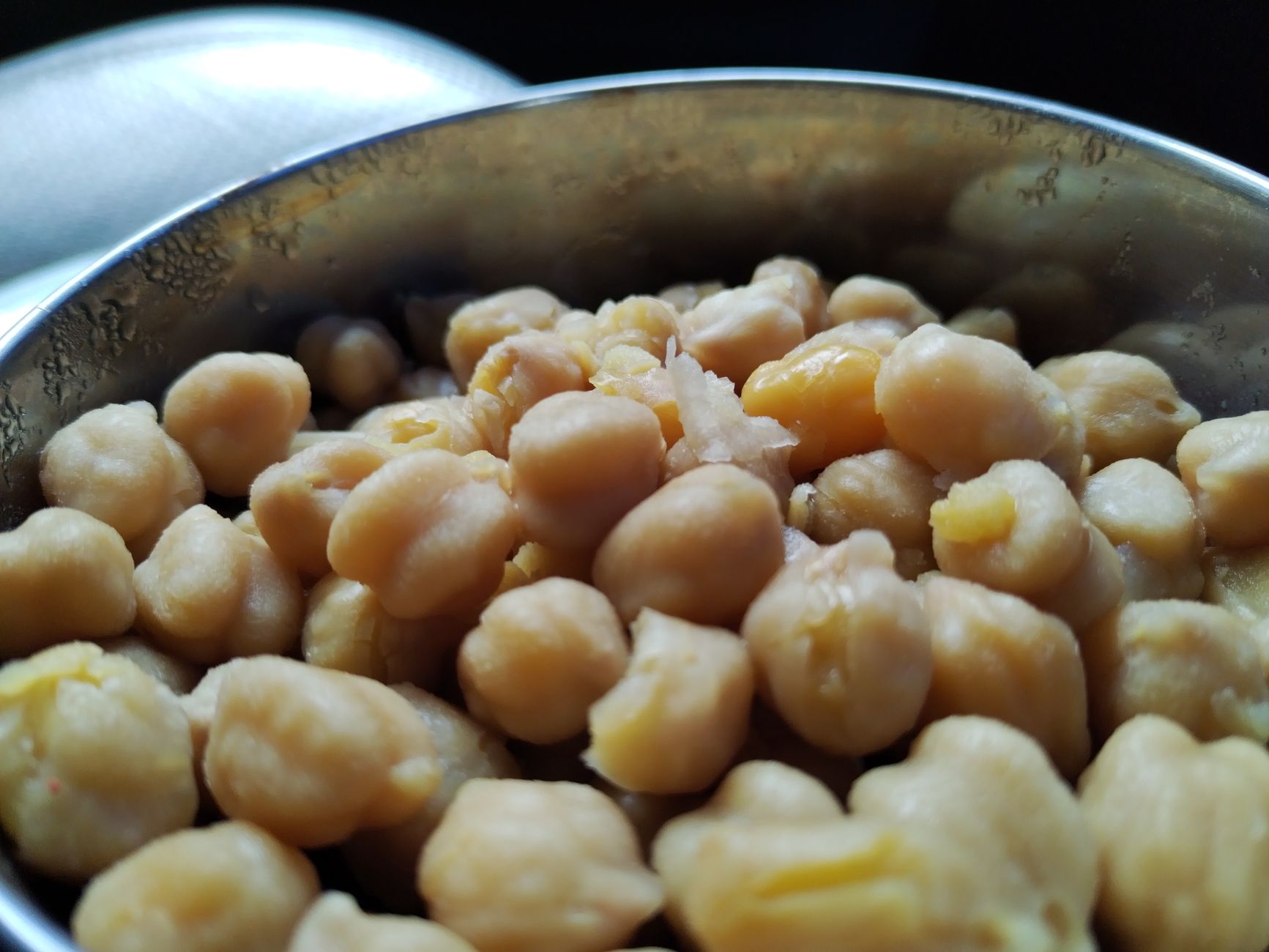
Chickpeas, also known as garbanzo beans, are a versatile and nutritious ingredient popular in many cuisines around the world. They can be used in a variety of dishes, from salads and soups to dips and baked goods. One common question arises when it comes to preparing chickpeas: do you have to cook them? This article will explore the various ways to prepare chickpeas, whether they need cooking, and how to store and use them effectively.
We’ll cover both dried and canned chickpeas, cooking techniques, serving tips, and answers to some common questions about this delightful legume. Whether you’re a seasoned cook or a beginner, understanding how to handle chickpeas can greatly enhance your meals.
Do You Have to Cook Chickpeas?
The simple answer is: it depends on the type of chickpeas you are using. Dried chickpeas must be cooked to become tender and palatable, while canned chickpeas are pre-cooked and can be consumed right out of the can. However, cooking enhances flavor and texture, making them more versatile for various recipes.
Understanding Chickpeas
Chickpeas come in two main varieties: the standard beige chickpea (also called desi) and the darker, smaller variety known as black chickpeas (or kala chana). Both types are nutritious and rich in protein, fiber, and essential vitamins and minerals. They play a vital role in vegetarian and vegan diets, providing a hearty and satisfying ingredient for countless dishes.
Nutritional Value
Chickpeas are packed with nutrients, making them a popular dietary choice:
- High in protein: Providing around 15 grams of protein per cooked cup.
- Rich in fiber: Aiding digestion and helping to maintain a feeling of fullness.
- Low in fat: Making them a healthy addition to meals.
- Vitamins and minerals: Including iron, magnesium, and folate.
Preparing Dried Chickpeas
Dried chickpeas require preparation before consumption. Here’s a step-by-step guide to cooking them properly:
Soaking Dried Chickpeas
Soaking dried chickpeas before cooking is essential as it reduces cooking time and helps achieve a tender texture.
- Choose your chickpeas: Rinse dried chickpeas under cold water to remove any debris.
- Soak: Place soaked chickpeas in a large bowl and cover with water, allowing for at least two inches of water above the chickpeas. Soak for 8 hours or overnight.
- Drain and rinse: After soaking, drain the chickpeas and rinse them again with cold water.
Cooking Dried Chickpeas
Once the chickpeas have been soaked, they are ready for cooking:
- Cook in a pot: Transfer soaked chickpeas to a large pot and cover with fresh water, ensuring they are submerged by at least two inches of water.
- Heat: Bring the water to a boil over medium-high heat.
- Simmer: Reduce the heat to low and cover, allowing them to simmer for 1 to 2 hours, or until tender. Check occasionally and add water if needed.
- Test for doneness: The chickpeas should be soft when sampled. Drain any remaining water and use as desired.
Pressure Cooking Dried Chickpeas
Pressure cookers can significantly reduce the cooking time for dried chickpeas:
- Follow the previous soaking steps.
- Add to pressure cooker: Place the soaked and drained chickpeas into the pressure cooker and add enough water to cover by 2 inches.
- Seal and cook: Lock the lid in place and bring to high pressure. Cook for about 15-20 minutes.
- Release pressure: Allow the pressure to release naturally for about 10 minutes, then perform a quick release to release any remaining pressure.
- Check for doneness: They should be tender and ready to use.
Using Canned Chickpeas
Canned chickpeas offer ultimate convenience since they are already cooked and ready to eat. Here’s how to use them:
Preparing Canned Chickpeas
- Open the can: Use a can opener to carefully remove the lid.
- Drain and rinse: Pour the chickpeas into a colander and rinse under cold running water to reduce excess sodium.
- Use as desired: Incorporate them into salads, soups, or stews, or mash them for dips like hummus.
Serving Ideas for Chickpeas
Now that you know how to prepare chickpeas, let’s explore some recipe ideas:
1. Hummus
Hummus, a delicious chickpea dip, can be easily made using canned or cooked chickpeas. Blend chickpeas with tahini, lemon juice, garlic, and olive oil until smooth.
2. Chickpea Salad
A refreshing salad can be made by mixing canned chickpeas with diced cucumber, tomatoes, red onion, parsley, and a dressing of olive oil and lemon juice.
3. Roasted Chickpeas
Chickpeas can be tossed in olive oil and spices, then roasted at 400°F (200°C) for 30-40 minutes until crispy—perfect as a healthy snack or salad topper.
4. Chickpea Curry
For a warm and hearty dish, simply sauté onions, garlic, and ginger, add spices, then toss in chickpeas and coconut milk, simmering until flavors meld.
5. Chickpea Stews and Soups
Incorporate chickpeas into stews or soups for added protein and texture. They pair well with vegetables and grains.
Common Mistakes and Troubleshooting
When preparing chickpeas, here are a few common pitfalls to avoid:
- Skipping the soak: Not soaking dried chickpeas can lead to longer cooking times and uneven texture.
- Overcooking: Dried chickpeas can become mushy if overcooked. Monitor the cooking process closely.
- Not rinsing canned chickpeas: This can result in a salty flavor profile, so rinsing is crucial.
Storage and Shelf Life
Proper storage of chickpeas is vital for maintaining their texture and flavor:
Storing Dried Chickpeas
Store dried chickpeas in an airtight container in a cool, dark place. They last indefinitely if stored properly, but for best quality, use them within a year.
Storing Cooked Chickpeas
If you’ve made a batch of cooked chickpeas, they can be stored in the refrigerator in an airtight container for up to 4-5 days. For longer storage, freeze them in an airtight container or freezer bag for up to six months.
Storing Canned Chickpeas
Unopened canned chickpeas can last for years in the pantry. Once opened, use them within 3-4 days if refrigerated. Alternatively, canned chickpeas can be frozen for extended storage.
Practical Tips for Cooking Chickpeas
- Experiment with flavors: Add herbs, spices, or aromatics like bay leaves or garlic to the cooking water for added flavor.
- Keep an eye on your batches: If making large volumes, portion out cooked chickpeas for easy use later.
- Try different varieties: Black chickpeas offer a nuttier flavor and are perfect in various dishes.
In summary, chickpeas are an incredibly adaptable ingredient that can be enjoyed in many forms. Whether you choose dried or canned, understanding how to prepare and use them opens up exciting culinary possibilities. Take the time to experiment with flavors, textures, and recipes to make the most of these nutritious legumes.
Explore more ideas for using chickpeas in dishes like hummus, or enhance your breakfasts with delicious options like chia pudding. Embrace the versatility of chickpeas in your everyday cooking!