
Ditalini pasta is one of those small but mighty shapes that turns simple ingredients into pure comfort, and this recipe celebrates its ability to create a hearty, satisfying meal in under 30 minutes. With tender tubular pasta, savory tomatoes, and aromatic herbs, you’ll have a dish that works perfectly as a cozy weeknight dinner or a make-ahead lunch option.
The beauty of ditalini lies in its versatility and how quickly it cooks. This recipe walks you through creating a classic Italian-inspired preparation that lets the pasta shine while building layers of flavor that taste like you spent hours in the kitchen.
Why You’ll Love This Recipe
This ditalini pasta delivers restaurant-quality results with pantry staples and minimal effort. The small tubes catch every bit of sauce, creating perfect bites every single time.
- Ready in just 25 minutes from start to finish
- Uses simple, affordable ingredients you likely already have
- Perfect for meal prep and tastes even better the next day
- Adaptable to countless variations based on what’s in your fridge
- Kid-friendly but sophisticated enough for adult palates
My Experience Making This Recipe
I stumbled upon this recipe on a particularly hectic Tuesday when my pantry was looking sparse. The ditalini had been sitting there for months, and I decided to finally give these tiny tubes their moment to shine.
What surprised me most was how the small pasta shape completely transformed the eating experience compared to larger shapes. Each spoonful delivered a perfect ratio of pasta to sauce, and the texture was incredibly satisfying.
My family devoured it so quickly that I made a double batch the next week. The leftovers became our go-to lunch option, and honestly, the flavors melded even better after a night in the fridge.
Recipe Overview
- Recipe Name: Ditalini Pasta
- Servings: 4
- Prep Time: 10 minutes
- Cook Time: 15 minutes
- Total Time: 25 minutes
- Course: Main Course
- Cuisine: Italian
- Calories per Serving: 385
Equipment You Will Need
- Large pot for boiling pasta
- Large skillet or saute pan
- Colander for draining
- Wooden spoon or spatula
- Measuring cups and spoons
- Chef’s knife and cutting board
- Garlic press (optional but helpful)
Ingredients for Ditalini Pasta
- 1 pound ditalini pasta
- 3 tablespoons olive oil
- 4 cloves garlic, minced
- 1 can (28 ounces) crushed tomatoes
- 1 teaspoon dried basil
- 1 teaspoon dried oregano
- 1/2 teaspoon red pepper flakes
- 1 teaspoon salt, plus more for pasta water
- 1/2 teaspoon black pepper
- 1/4 cup fresh parsley, chopped
- 1/2 cup Parmesan cheese, grated
- 2 tablespoons butter
Ingredient Notes and Substitutions
- Ditalini pasta: This small tube-shaped pasta is perfect for catching sauce in every bite. You can substitute with tubettini, small shells, or elbow macaroni if ditalini is unavailable.
- Crushed tomatoes: They provide the base for a rich, textured sauce that clings to the pasta beautifully. Substitute with diced tomatoes for a chunkier sauce or tomato puree for a smoother consistency.
- Fresh parsley: Adds brightness and a fresh herbal note that balances the richness. Swap with fresh basil for a more aromatic finish or omit if you only have dried herbs.
- Parmesan cheese: Brings salty, umami depth and helps thicken the sauce slightly. Use Pecorino Romano for a sharper, more assertive flavor.
- Butter: Creates a silky, restaurant-quality finish and adds richness to the final dish. Replace with extra olive oil for a dairy-free version, though you’ll lose some creaminess.
How to Make Ditalini Pasta
Step 1: Boil the Pasta Water
Fill your large pot with water and add a generous amount of salt, about 2 tablespoons. Bring the water to a rolling boil over high heat.
Salting the water properly is your only chance to season the pasta itself, so don’t be shy. The water should taste like the sea.
Step 2: Cook the Ditalini
Add the ditalini pasta to the boiling water and stir immediately to prevent sticking. Cook for 8 to 10 minutes, or about 1 minute less than the package directions suggest for al dente texture.
Slightly undercooking the pasta now means it will finish perfectly when tossed with the sauce later. Reserve 1 cup of pasta water before draining.
Step 3: Prepare the Garlic Base
While the pasta cooks, heat the olive oil in your large skillet over medium heat. Add the minced garlic and cook for 1 to 2 minutes, stirring frequently, until fragrant and just beginning to turn golden.
Watch the garlic carefully because it can go from perfect to burnt in seconds. The goal is to release its aromatic oils without any bitterness.
Step 4: Build the Tomato Sauce
Pour the crushed tomatoes into the skillet with the garlic. Add the dried basil, oregano, red pepper flakes, salt, and black pepper.
Stir everything together and let the sauce simmer for 5 to 7 minutes to allow the flavors to meld. The sauce should thicken slightly and the raw tomato taste should mellow into something richer and more complex.
Step 5: Combine Pasta and Sauce
Drain the ditalini in your colander and add it directly to the skillet with the tomato sauce. Toss everything together over medium-low heat for 2 to 3 minutes.
This step allows the pasta to absorb the sauce and finish cooking to perfect doneness. Add splashes of reserved pasta water if the sauce seems too thick or dry.
Step 6: Finish with Butter and Cheese
Remove the skillet from heat and stir in the butter until it melts completely into the sauce. Add half of the grated Parmesan cheese and toss until everything looks glossy and cohesive.
The butter and cheese create an emulsified sauce that coats each piece of pasta beautifully. The residual heat is enough to melt everything without making the cheese clumpy.
Step 7: Add Fresh Herbs
Sprinkle the chopped fresh parsley over the pasta and give it one final toss. The bright, fresh flavor cuts through the richness and adds a pop of color.
Fresh herbs should always go in at the end to preserve their vibrant flavor and appearance. Dried herbs can’t replicate this final touch.
Step 8: Serve and Garnish
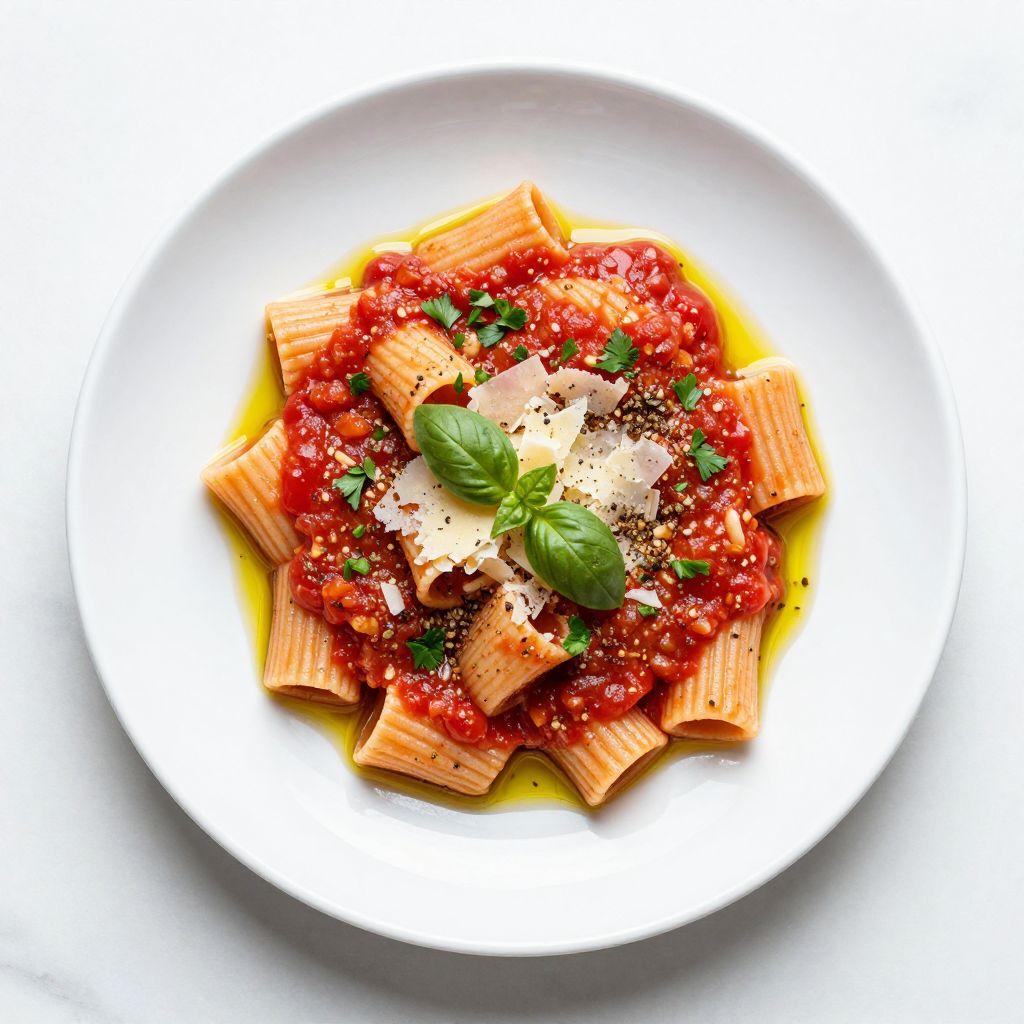
Divide the ditalini pasta among serving bowls and top each portion with the remaining Parmesan cheese. Serve immediately while the pasta is hot and the cheese is melty.
A drizzle of good quality olive oil on top adds an extra layer of flavor and makes the presentation more appealing. Don’t skip this final flourish.
Pro Tip: Always reserve at least one cup of pasta cooking water before draining. The starchy water is liquid gold for adjusting sauce consistency and helping everything come together into a silky, cohesive dish.
Tips for the Best Ditalini Pasta
- Use high-quality canned tomatoes for the best flavor since they’re the star of the sauce. San Marzano tomatoes are worth the extra dollar or two.
- Don’t rinse the pasta after draining because the surface starch helps the sauce cling better. Rinsing washes away this natural coating.
- Taste and adjust seasoning just before serving since the Parmesan adds saltiness. What tasted perfect while cooking might need a pinch more salt or pepper at the end.
- Let the garlic cook gently rather than rushing it over high heat. Burnt garlic tastes acrid and will ruin the entire dish.
- Cook the pasta in the sauce for those final minutes to create a unified dish rather than pasta with sauce on top. This technique is how Italian grandmothers achieve restaurant-quality results at home.
- Grate your Parmesan fresh from a block instead of using pre-grated cheese. Freshly grated melts better and has more flavor without the anti-caking additives.
Common Mistakes to Avoid
- Using too little water to boil the pasta causes it to stick together and cook unevenly. You need at least 4 quarts of water for a pound of pasta.
- Adding oil to the pasta water is pointless and actually prevents sauce from adhering properly. The oil coats the pasta and creates a slippery barrier.
- Overcooking the pasta turns it mushy and makes it absorb too much sauce. Al dente pasta has a slight bite and holds its shape better.
- Skipping the step of cooking pasta in the sauce means you miss out on the flavor absorption that makes this dish special. Those final minutes in the pan are transformative.
- Adding cold butter or cheese to hot pasta can break the sauce and make it greasy. Remove from heat first and let the residual warmth do the work for a smooth, emulsified finish.
Serving Suggestions
This ditalini pasta shines as a main course but also works beautifully as a side dish alongside proteins. The small pasta size makes it particularly good for serving in bowls with crusty bread for dipping.
- Serve with a simple arugula salad dressed with lemon and olive oil to cut through the richness
- Pair with garlic bread or focaccia for soaking up every last bit of sauce
- Add grilled chicken, Italian sausage, or meatballs for a heartier, protein-packed meal
- Serve alongside roasted vegetables like zucchini, bell peppers, or eggplant for a complete vegetarian dinner
- Offer with a glass of Chianti or Sangiovese to complement the tomato-based sauce
Variations to Try
- Add white beans or chickpeas for extra protein and fiber, turning this into a more substantial one-pot meal. The beans absorb the sauce beautifully and add a creamy texture.
- Stir in fresh spinach or kale during the last few minutes of cooking for added nutrients and color. The greens wilt quickly and blend seamlessly into the sauce.
- Make it creamy by adding a splash of heavy cream or a dollop of ricotta cheese at the end. This transforms the dish into a pink sauce situation that’s absolutely luxurious.
- Add Italian sausage by browning crumbled sausage before the garlic step for a meaty, savory variation. The sausage fat replaces some of the olive oil and adds incredible depth.
- Turn it into a baked pasta by transferring everything to a baking dish, topping with mozzarella, and broiling until bubbly. The crispy cheese top is irresistible.
Dietary Adaptations
- Gluten-Free: Use your favorite gluten-free pasta shape in place of traditional ditalini. The sauce works perfectly with any gluten-free variety, though cooking times may vary slightly.
- Dairy-Free: Omit the butter and Parmesan cheese, and use nutritional yeast for a cheesy flavor without dairy. Add an extra tablespoon of olive oil to compensate for the richness lost without butter.
- Vegan: Follow the dairy-free adaptations above, and consider adding cashew cream for richness. The base recipe is already plant-based except for the cheese and butter.
- Low-Carb/Keto: This pasta-heavy dish doesn’t adapt well to low-carb diets, but you could use the sauce over zucchini noodles or shirataki noodles. The texture and satisfaction won’t be quite the same, but the flavors will still shine.
Storage and Reheating
Refrigerator
Store leftover ditalini pasta in an airtight container in the refrigerator for up to 4 days. The pasta will continue to absorb sauce as it sits, so it might seem drier when you reheat it.
- Add a splash of water, broth, or olive oil when reheating to loosen the sauce
- Keep the Parmesan cheese separate if possible and add fresh when serving
- The flavors actually deepen and improve after a day in the fridge
Freezer
Freeze the pasta in freezer-safe containers for up to 3 months. Let it cool completely before freezing to prevent ice crystals from forming.
- Portion into individual servings for easy grab-and-go lunches
- Thaw overnight in the refrigerator before reheating for best results
- The texture may be slightly softer after freezing but still delicious
Reheating
Reheat on the stovetop over medium-low heat with a few splashes of water or broth. Stir frequently until heated through, about 5 to 7 minutes.
- Microwave reheating works but can result in uneven heating and dried-out edges
- Add extra Parmesan and fresh parsley after reheating to refresh the flavors
- Avoid reheating more than once as the pasta quality deteriorates with each cycle
Nutrition Information
| Nutrient | Amount |
|---|---|
| Calories | 385 |
| Total Fat | 14g |
| Saturated Fat | 5g |
| Carbohydrates | 52g |
| Fiber | 4g |
| Sugar | 6g |
| Protein | 12g |
| Sodium | 680mg |
| Cholesterol | 18mg |
Nutritional values are estimates based on standard ingredients and may vary depending on specific brands and modifications. Always calculate nutrition information independently if you have specific dietary requirements.
Frequently Asked Questions
Can I use fresh tomatoes instead of canned?
Fresh tomatoes work but require more time to break down into a sauce consistency. Use about 2 pounds of ripe Roma tomatoes, blanch and peel them first, then simmer for at least 20 minutes to achieve the right texture and concentrated flavor.
Can I make this ahead of time?
You can cook the sauce ahead and refrigerate it for up to 3 days, then cook the pasta fresh when ready to serve. Combining them fresh gives you the best texture, though fully assembled leftovers still taste great.
Why is my sauce watery?
The sauce needs adequate simmering time to reduce and thicken, so let it bubble gently for the full 5 to 7 minutes. If it’s still too thin, continue cooking for a few more minutes, or add a tablespoon of tomato paste to thicken and intensify the flavor.
What if I don’t have ditalini pasta?
Any small pasta shape works beautifully with this sauce, including small shells, orzo, elbows, or tubettini. Larger shapes like penne or rigatoni also work but change the eating experience since you’ll use a fork instead of a spoon.
Can I add vegetables to this recipe?
Absolutely, and vegetables like diced zucchini, bell peppers, or mushrooms fit perfectly into this recipe. Saute them with the garlic before adding the tomatoes, giving them a few extra minutes to soften and develop flavor.
How do I prevent the garlic from burning?
Keep the heat at medium rather than high, and stir the garlic constantly once it hits the pan. Have your crushed tomatoes ready to add as soon as the garlic becomes fragrant, which stops the cooking process immediately.
Is this recipe kid-friendly?
The small pasta shape and mild tomato sauce make this incredibly appealing to children. Reduce or omit the red pepper flakes for sensitive palates, and let kids add their own Parmesan cheese at the table.
Final Thoughts
This ditalini pasta recipe proves that simple ingredients and straightforward techniques can create something truly satisfying. The small pasta tubes turn every bite into a perfect combination of tender pasta and flavorful sauce.
Give this recipe a try on your next busy weeknight, and you’ll understand why it’s become one of my most-made dishes. The combination of minimal effort and maximum flavor makes it a winner every single time.
Ditalini Pasta
Ingredients
Equipment
Method
- Fill your large pot with water and add about 2 tablespoons salt. Bring the water to a rolling boil over high heat.
- Add the ditalini pasta to the boiling water and stir immediately to prevent sticking. Cook for 8 to 10 minutes, or about 1 minute less than the package directions suggest for al dente texture. Reserve 1 cup of pasta water before draining.
- While the pasta cooks, heat the olive oil in your large skillet over medium heat. Add the minced garlic and cook for 1 to 2 minutes, stirring frequently, until fragrant and just beginning to turn golden.
- Pour the crushed tomatoes into the skillet with the garlic. Add the dried basil, oregano, red pepper flakes, salt, and black pepper. Stir everything together and let the sauce simmer for 5 to 7 minutes to allow the flavors to meld.
- Drain the ditalini in your colander and add it directly to the skillet with the tomato sauce. Toss everything together over medium-low heat for 2 to 3 minutes. Add splashes of reserved pasta water if the sauce seems too thick or dry.
- Remove the skillet from heat and stir in the butter until it melts completely into the sauce. Add half of the grated Parmesan cheese and toss until everything looks glossy and cohesive.
- Sprinkle the chopped fresh parsley over the pasta and give it one final toss.
- Divide the ditalini pasta among serving bowls and top each portion with the remaining Parmesan cheese. Serve immediately while hot.