
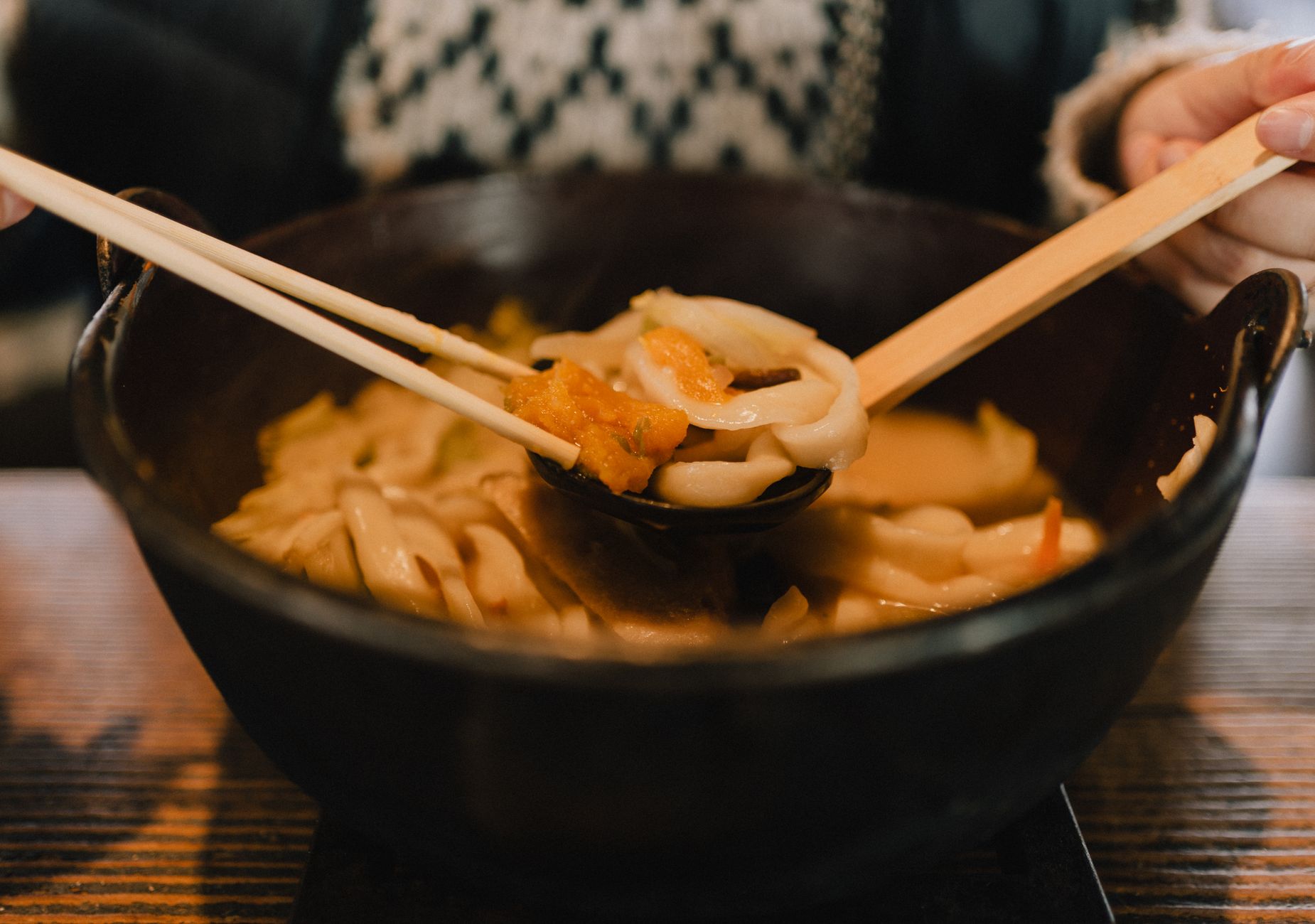
Udon noodles are a staple in Japanese cuisine, known for their thick, chewy texture and versatility in dishes. Made primarily from wheat flour, udon noodles serve as a base in soups, stir-fries, and cold salads. Understanding what udon noodles are made of helps to appreciate their unique culinary qualities and the dishes they complement.
This article dives into the ingredients that make udon noodles, their production process, and the culinary applications that highlight their delightful texture and taste.
What Are Udon Noodles Made Of?
Udon noodles are primarily made from three basic ingredients: wheat flour, water, and salt. The specific type of wheat flour used is often high in gluten, which contributes to the noodles’ distinctive chewiness. The balance of these ingredients determines the ultimate texture and flavor of the finished product.
Ingredients Breakdown
Let’s take a closer look at each of the primary ingredients that go into udon noodles.
Wheat Flour
The foundation of udon noodles lies in wheat flour. This flour is usually made from hard wheat varieties that are higher in protein content, giving the noodles their characteristic chew.
- Types of Wheat Flour:
- All-Purpose Flour: Commonly used in homemade udon, this flour provides a decent balance between chewiness and texture.
- High-Gluten Flour: Preferred for traditional udon, it yields a firmer noodle with more bite.
- Specialty Flours: Some manufacturers use a blend of different flours to achieve a unique texture and flavor profile.
Water
Water is the second essential ingredient in udon noodles. It activates the gluten in the flour, helping to develop the noodle’s structure. The quality of water can vary depending on the region, and some locals believe that soft water produces the best noodles.
Salt
Salt is added not only for flavor but also to strengthen the gluten structure during the dough-making process. This enhances the chewy texture and contributes to the overall taste of the noodles.
The Production Process of Udon Noodles
Understanding how udon noodles are made can deepen your appreciation for this versatile dish. Here is an overview of the traditional process for making udon noodles.
- Dough Preparation: Combine wheat flour, water, and salt in a mixing bowl. The proportions often start with a rough ratio of 10 parts flour to 4 parts water, adjusted based on desired texture.
- Kneading: Knead the dough for about 10 to 15 minutes until it reaches a smooth, elastic consistency. This step is crucial for gluten development, which determines the noodle’s texture.
- Resting: Cover the kneaded dough with a damp cloth and allow it to rest for at least 30 minutes. This rest period allows the gluten to relax, making the dough easier to roll out.
- Rolling: After resting, the dough is rolled out into a sheet, typically about ¼ inch thick. Traditional methods may involve using a heavy rolling pin for even thickness.
- Cutting: Once rolled, the sheet of dough is folded and cut into strips of the desired width, which can vary from thin to thick according to personal preference.
- Cooking: The cut noodles are boiled in hot water for about 8 to 12 minutes, depending on the thickness, until they reach the perfect al dente texture.
Types of Udon Noodles
While traditional udon noodles share the same basic ingredients, variations exist that cater to regional tastes and preferences.
Kitsune Udon
This popular dish features udon noodles served in a flavorful dashi broth, topped with sweetened deep-fried tofu (aburaage). The name “kitsune” translates to “fox” in Japanese, and according to folklore, foxes enjoy tofu.
Nabeyaki Udon
Nabeyaki udon is a hearty dish cooked in a clay pot. It typically includes chicken, vegetables, and an egg, resulting in a comforting meal perfect for colder weather.
Cold Udon
In warmer months, cold udon noodles are popular. They are served chilled with a dipping sauce called tsuyu, which adds a refreshing contrast to the noodle’s thickness.
Preparing Udon Noodles at Home
For those who wish to make udon noodles from scratch, here is a simple approach to follow. With the right ingredients and a bit of practice, homemade udon can rival your favorite restaurant dish.
Homemade Udon Noodle Recipe
This recipe provides a straightforward method for crafting your own udon noodles at home.
Yield: Approximately 4 servings
Preparation Time: 30 minutes (plus resting)
Cooking Time: 10 minutes
Total Time: 40 minutes (plus resting)
Ingredients
- 2 cups high-gluten wheat flour (plus extra for dusting)
- ¾ cup water (room temperature)
- 1 teaspoon salt
Essential Equipment
- Mixing bowl
- Damp cloth
- Rolling pin
- Sharp knife or pizza cutter
- Large pot for boiling
- Colander or strainer
Method
- In a mixing bowl, combine wheat flour and salt. Slowly add water, mixing with your hands until the dough forms.
- Knead the dough on a floured surface for about 10 minutes until smooth and elastic. Place the dough in a bowl and cover with a damp cloth. Let it rest for 30 minutes.
- After resting, roll the dough into a sheet approximately ¼ inch thick on a floured surface.
- Fold the sheet of dough over itself, then cut into strips of your chosen thickness.
- Bring a pot of water to a boil. Add the cut udon noodles and boil for 8-12 minutes, stirring occasionally. The noodles are done when they float to the surface and are tender.
- Drain the noodles in a colander and rinse with cold water to stop the cooking process. Serve with your desired sauce or toppings.
Common Issues and Troubleshooting
When making udon noodles, you may encounter several common issues. Here are some troubleshooting tips to help ensure success.
Problem: Dough is Too Sticky or Dry
If your dough feels too sticky, add a small amount of flour gradually until it reaches the right consistency. Conversely, if it is too dry, add water, a tablespoon at a time, to achieve the desired moistness.
Problem: Noodles are Unevenly Cut
To achieve uniform noodles, roll out the dough evenly and use a sharp knife or pizza cutter for straight cuts. Practice makes perfect!
Problem: Noodles are Overcooked
Keep an eye on the boiling time, and taste noodles a minute before the suggested cooking time is up. If they are tender, remove them from the heat promptly.
Storage and Reheating Udon Noodles
Udon noodles can be stored in the refrigerator or freezer for future meals. Here are some guidelines for proper storage and reheating.
Refrigeration
Freshly made udon noodles can be stored in an airtight container in the refrigerator for up to three days. When ready to use, boil them briefly or soak them in hot water to warm.
Freezing
For longer storage, freeze the uncooked noodles. Once cut, place them in a single layer on a parchment-lined baking sheet to freeze before transferring them to a freezer bag. They can be stored in the freezer for up to a month. Cook from frozen, adding a few extra minutes to their cooking time.
Flavor and Pairing Tips
Udon noodles serve as a fantastic base for a variety of flavors and textures. Here are a few pairing suggestions.
- Broths: Rich dashi or miso-based broths enhance the flavor of udon, providing warmth and depth.
- Vegetables: Fresh vegetables like bok choy, mushrooms, and scallions add color, nutrition, and crunch.
- Proteins: Tofu, chicken, shrimp, or beef can give your udon a protein-rich component that complements its texture.
Why Choose Udon Noodles?
Culinary enthusiasts appreciate udon noodles for their versatility, texture, and ability to absorb flavors. They can take on various forms, from comforting hot soups to refreshing cold salads. Their chewy texture and mild flavor also allow for endless personalization in recipes.
Using udon as a base, you can explore various culinary traditions and focus on seasonal ingredients to create delicious meals. With just a few basic components, homemade udon noodles can elevate your cooking experience, offering flavors and textures similar to freshly made pasta.
Now that you understand what udon noodles are made of and how to prepare them, it’s time to consider what dishes you can create using this hearty noodle. You can experiment with different broths, toppings, and cooking styles to find your favorite udon dish.
For additional ideas, consider exploring recipes like creamy ramen or spicy buldak ramen to expand your noodle repertoire!