
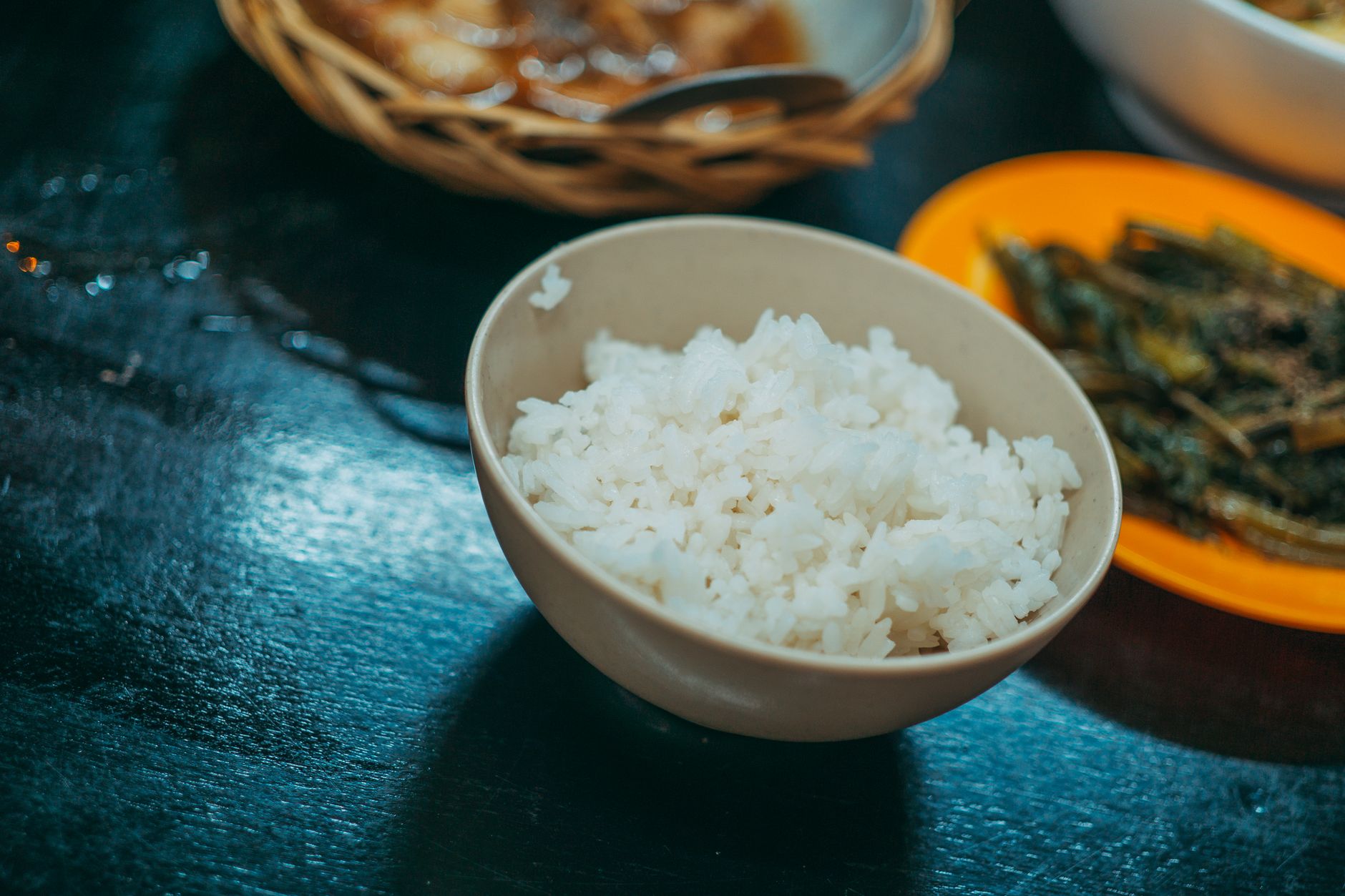
White rice is a staple food in many cultures, revered for its versatility and mild flavor. However, a common question that arises is whether white rice is high in carbohydrates, given the prevalent dietary trends advocating for low-carb eating. Understanding the carbohydrate content in white rice and how it fits into a balanced diet is essential for making informed food choices.
This article will explore the carbohydrate content of white rice, recommended portion sizes, nutritional benefits, and practical tips for incorporating it into your meals. By the end, you will gain insights into how to enjoy white rice while maintaining a healthy diet.
Is White Rice High in Carbs?
Yes, white rice is high in carbohydrates. One cup of cooked white rice typically contains about 45 grams of carbohydrates. While it provides a quick source of energy, it is important to consider portion sizes and balance with other food groups in your meals.
Understanding Carbohydrates
Carbohydrates are one of the three macronutrients, along with proteins and fats, and serve as the body’s primary energy source. They are divided into three main categories:
- Sugars: Quick energy sources that are easily absorbed by the body.
- Starches: Complex carbohydrates that provide longer-lasting energy and can be broken down into sugars.
- Fiber: A carbohydrate that the body cannot digest but plays a role in digestive health.
White rice mainly consists of starches, making it a carbohydrate-dense food. When considering its place in your diet, it’s critical to look not only at the carbohydrate content but also at the fiber content and how it fits within your overall dietary needs.
Nutritional Profile of White Rice
The nutritional benefits of white rice extend beyond just carbohydrates. Here’s a quick breakdown of the nutritional content in a 1-cup serving (cooked) of white rice:
- Calories: Approximately 205
- Carbohydrates: 45 grams
- Protein: 4 grams
- Fat: 0.4 grams
- Fiber: 0.6 grams
- Vitamins and Minerals: Small amounts of iron, B vitamins, and magnesium
White rice is low in fat and contains a modest amount of protein. However, it lacks fiber due to the milling process that removes the bran and germ, which are high in nutrients. For this reason, pairing white rice with fiber-rich foods like vegetables or legumes can enhance its nutritional value.
Portion Sizes and Serving Suggestions
When considering how much white rice to incorporate into your diet, portion control is vital. A standard serving is typically ½ to 1 cup of cooked rice. Here are a few creative serving suggestions to balance out the carbohydrate content:
- Pair white rice with lean proteins, such as chicken, fish, or tofu.
- Add a variety of colorful vegetables, steamed or stir-fried, to create a balanced meal.
- Use brown rice or quinoa instead to introduce more fiber if high carb is a concern.
- Make a rice bowl featuring legumes, such as black beans or lentils, for additional nutrition.
By combining rice with other nutrient-dense ingredients, you can create a more balanced meal while still enjoying the taste and texture of white rice.
Health Benefits of White Rice
Despite being high in carbohydrates, white rice has several health benefits that can warrant its inclusion in a well-rounded diet:
- Energy Source: The carbohydrate content in white rice provides readily available energy, making it an excellent choice for athletes and those needing quick energy.
- Versatility: Its neutral flavor makes it a versatile ingredient in various cuisines, capable of absorbing different flavors from spices and sauces.
- Gluten-Free: White rice is a naturally gluten-free grain, making it suitable for those with celiac disease or gluten intolerance.
- Easy to Digest: For those with digestive issues or recovering from illness, white rice is gentle on the stomach.
- Quick Preparation: White rice cooks faster than brown rice, making it a convenient option for busy weeknight dinners.
These benefits make white rice a favorable choice in many scenarios, especially when consumed mindfully and in moderation.
Common Myths About White Rice
There are many misconceptions about white rice that may influence dietary choices. Let’s debunk a few of them:
- White Rice Is Fattening: White rice itself isn’t inherently fattening. Weight gain occurs when there is a calorie surplus, so portion control is key.
- White Rice Has No Nutritional Value: While white rice is less nutritious than whole grains like brown rice, it does provide energy and some essential nutrients.
- All Carbs Are Bad: Carbohydrates play a crucial role in a balanced diet and should not be feared. It’s better to focus on the quality and source of carbohydrates.
Being aware of these myths can enable you to make more informed choices about incorporating white rice into your meals without unnecessary hesitation.
Incorporating White Rice into Your Diet
To enjoy white rice while managing carbohydrate intake, consider the following tips:
- Think of white rice as a side dish rather than the main component of the meal.
- Experiment with portion sizes. Start with a smaller serving and gradually increase based on your dietary needs.
- Balance your plate with plenty of vegetables and proteins to create a filling meal.
- Add herbs and spices to enhance the flavor without adding extra calories.
By being strategic and mindful about your white rice consumption, you can appreciate its texture and taste while adhering to your dietary goals.
Alternatives to White Rice
If you’re looking to reduce carbohydrate intake or seek alternatives to white rice, consider these options:
- Brown Rice: A whole grain that retains its bran and germ, offering more fiber, vitamins, and minerals. However, it has a nuttier flavor and longer cooking time.
- Quinoa: A high-protein, gluten-free grain rich in fiber and essential amino acids with a slightly crunchy texture.
- Cauliflower Rice: A popular low-carb alternative made from grated cauliflower that mimics the texture of rice while being lower in calories and carbohydrates.
- Barley: A chewy grain with a robust flavor and high fiber content, making it an excellent option for hearty dishes.
- Farro: An ancient grain that’s high in protein and fiber, ideal for salads and grain bowls.
These alternatives can vary in flavor and texture, offering new culinary experiences while often providing additional nutritional benefits.
Common Cooking Techniques for White Rice
As a kitchen staple, knowing how to properly cook white rice is crucial. Here are three common cooking techniques:
Stovetop Cooking
- Rinse rice under cold water until the water runs clear to remove excess starch.
- Combine 1 cup of rice with 2 cups of water in a medium saucepan and bring to a boil.
- Once boiling, reduce heat to low, cover, and simmer for 18-20 minutes until water is absorbed.
- Remove from heat and let it sit covered for 5 minutes. Fluff with a fork before serving.
Rice Cooker Method
- Rinse rice under cold water until the water runs clear.
- Place rice and 1 ½ cups of water in the rice cooker.
- Start the rice cooker and let it run until the cooker indicates it’s finished.
- Allow it to rest for about 10 minutes before fluffing with a fork.
Microwave Method
- Rinse 1 cup of rice under cold water.
- In a microwave-safe bowl, combine the rice with 2 cups of water.
- Cover the bowl with a microwave-safe lid or wrap it tightly with plastic wrap.
- Cook on high for 10 minutes, then on medium for 12-15 minutes until the water is absorbed.
- Let it sit covered for 5 minutes, then fluff with a fork.
Common Mistakes in Cooking White Rice
Even though cooking rice may seem straightforward, several common mistakes can lead to less-than-perfect results:
- Not Rinsing: Failing to rinse rice can result in a gummy texture due to excess starch.
- Wrong Water Ratio: Using too much or too little water can impact the final texture of the rice.
- Skipping the Resting Period: Not letting the rice sit after cooking can lead to uneven texture.
- Using High Heat: Cooking rice on high heat can result in burnt rice or water evaporating too quickly.
Storage and Reheating Tips
Proper storage and reheating techniques can extend the shelf life of cooked white rice:
- Store leftover rice in an airtight container in the refrigerator for up to 4 days.
- For long-term storage, freeze cooked rice in portions for up to 6 months.
- When reheating, ensure that the rice reaches an internal temperature of 165°F (74°C) to ensure food safety.
- Add a splash of water or broth when reheating in the microwave to maintain moisture.
By following these storage tips, you can minimize waste and enjoy the convenience of pre-cooked rice in your future meals.
Incorporating white rice into your meals can be both enjoyable and nutritionally beneficial when done mindfully. Understanding its carbohydrate content, portion sizes, and cooking tips will help you navigate its role in your diet. Whether you’re experimenting with different grains or finding perfect pairings, embracing white rice can enrich your culinary experiences.
For more insights on rice, consider exploring related subjects such as whether rice is fattening or the amount of water needed for cooking rice perfectly.