
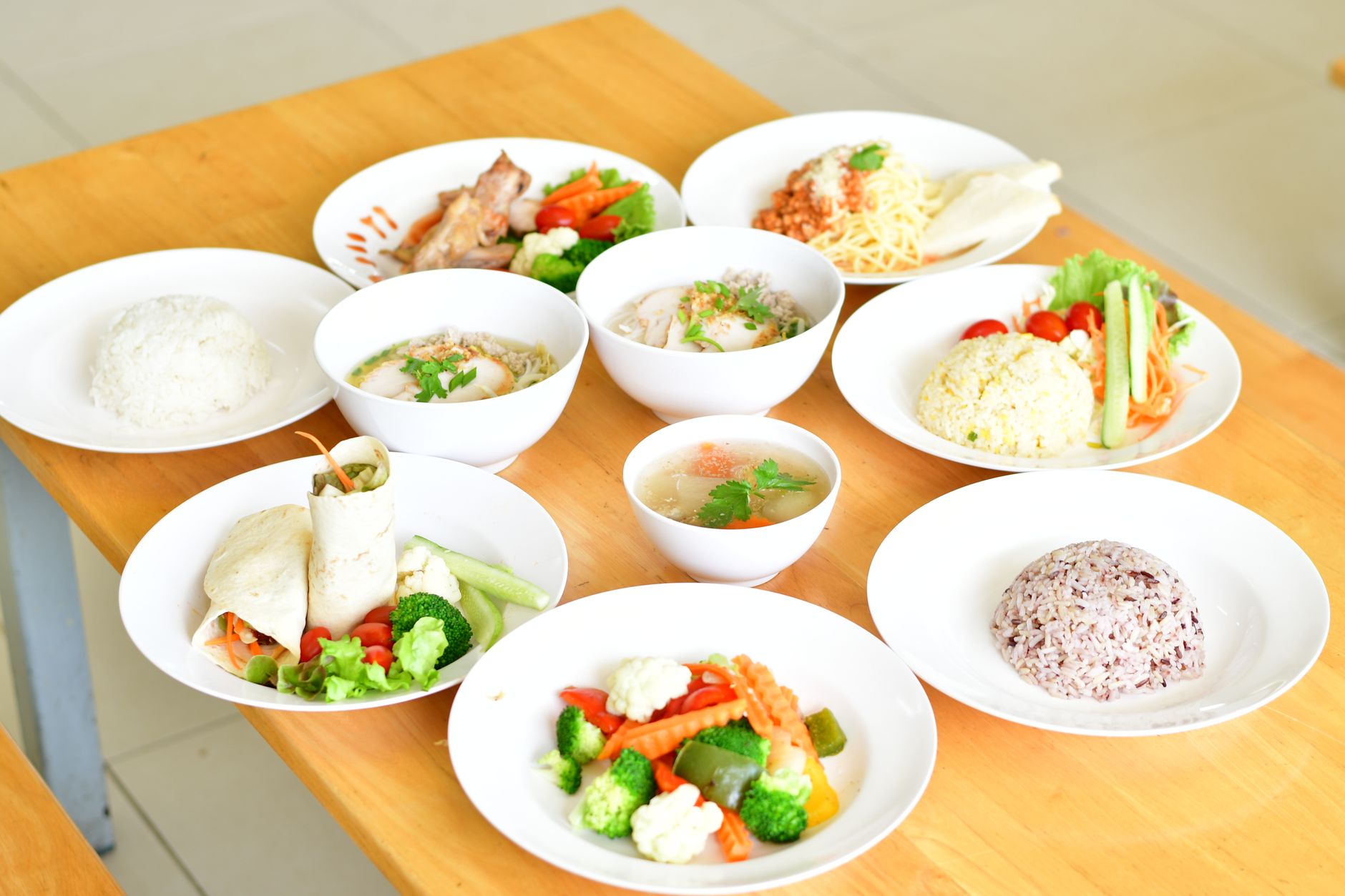
Understanding what constitutes a healthy plate is essential for making informed food choices. A healthy plate reflects a balanced diet, ensuring you get the right mix of nutrients your body needs. This article will explain how to build a healthy plate, the significance of each food group, and practical tips to apply in your daily meals.
A healthy plate is visualized through the USDA’s MyPlate model, focusing on fruits, vegetables, grains, protein, and dairy. This model serves as a guide to help you prepare meals that are not only nutritious but also delicious.
What Is a Healthy Plate?
A healthy plate is a meal-planning tool designed to help you visualize and portion out the different food groups you should consume at each meal. The plate is divided into sections, each representing a food group essential for a balanced diet.
The concept of the healthy plate revolves around the idea of moderation and variety, allowing for flexibility while achieving nutritional goals. By filling your plate thoughtfully, you can optimize your health and maintain energy levels throughout the day.
The Components of a Healthy Plate
To create a healthy plate, focus on the following categories:
- Fruits: Fresh, frozen, or canned without added sugars or syrups.
- Vegetables: Aim for a variety of colors and types, preferably fresh or steamed.
- Grains: Prioritize whole grains over refined grains for added fiber and nutrients.
- Protein: Incorporate lean meats, poultry, fish, legumes, and plant-based proteins.
- Dairy: Opt for low-fat or fat-free options, or explore plant-based alternatives.
The Importance of Each Food Group
Fruits
Fruits are a vital source of essential vitamins, minerals, and antioxidants. They are naturally sweet and can satisfy cravings for dessert or snacks. Common options include:
- Berries (strawberries, blueberries, raspberries)
- Citrus fruits (oranges, grapefruits)
- Apples and pears
- Bananas and mangoes
When building your plate, aim to cover one-quarter with fruits to ensure you receive necessary vitamins like vitamin C, potassium, and dietary fiber.
Vegetables
Vegetables are nutrient-dense foods that provide the body with essential vitamins (A, C, K), minerals (calcium, potassium), and fiber. Including a wide variety of vegetables ensures you obtain diverse nutrients. Aim for different colors to maximize the benefits, such as:
- Leafy greens (spinach, kale)
- Cruciferous vegetables (broccoli, cauliflower)
- Root vegetables (carrots, sweet potatoes)
- Bell peppers and zucchini
Fill another quarter of your plate with vegetables, which can be raw, steamed, or roasted for flavor and texture.
Grains
Grains serve as significant sources of carbohydrates, which are the body’s primary energy source. When choosing grains, opt for whole varieties which contain more nutrients and fiber than refined versions. Examples include:
- Brown rice
- Quinoa
- Whole wheat pasta
- Oats
Fill about one-quarter of your plate with whole grains to help maintain your energy levels and assist in digestion.
Protein
Protein is vital for building and repairing tissues, and it keeps you feeling satiated. Diverse protein sources enable you to find what works best for you, whether animal or plant-based. Consider the following options:
- Lean meats (chicken breast, turkey, lean cuts of beef)
- Fish and seafood (salmon, shrimp)
- Legumes (beans, lentils, chickpeas)
- Nuts and seeds (almonds, chia seeds)
Protein should occupy another quarter of your plate, helping to provide strength and sustenance.
Dairy
Dairy products are important sources of calcium and vitamin D, essential for bone health. This group also includes numerous options like:
- Low-fat milk or yogurt
- Cottage cheese
- Fortified plant-based alternatives (almond milk, soy yogurt)
Consider including dairy or a dairy alternative, fitting into your overall meal as a small serving.
Practical Steps for Building Your Healthy Plate
1. Use Visuals
When preparing a meal, visually divide your plate into sections to help you allocate the appropriate ratios of each food group. This visualization can aid in maintaining portion control and encourage variety.
2. Meal Prep
Preparing meals in advance can help you ensure you stay on track with healthy eating. Cook large batches of vegetables, grains, and proteins, then portion them out for the week. Make use of containers to separate components for grab-and-go convenience.
3. Experiment with Cooking Methods
Cooking methods can greatly influence the nutritional quality and flavor of your meals. Consider methods such as:
- Steaming to preserve nutrients in vegetables.
- Grilling or baking proteins for a healthier option.
- Stir-frying vegetables in a small amount of healthy oil for flavor.
Experiment with herbs and spices to add flavor without excess salt or fat.
4. Be Mindful of Sauces and Condiments
While sauces and condiments enhance flavors, they can also add sugars or unhealthy fats. Choose healthier alternatives like:
- Salsa or fresh herbs instead of creamy dressings.
- Olive oil and vinegar for salad dressing.
- Low-sodium soy sauce or homemade sauces.
5. Incorporate Snacks Wisely
Healthy snacking can aid in maintaining energy levels. Snack smart with options that complement your plate, such as:
- Fresh fruit
- Vegetable sticks with hummus
- Nuts or yogurt
These options can increase your intake of key nutrients and help stave off hunger between meals.
Common Mistakes to Avoid
1. Skipping Food Groups
Eliminating entire food groups can limit essential nutrients. Instead, aim for balance and moderation, ensuring that your plate includes all necessary components.
2. Overloading on One Food Group
Filling your plate predominantly with one food group, such as carbohydrates or proteins, can lead to imbalances. Utilize the plate method to encourage variety.
3. Ignoring Portion Sizes
Even healthy foods can contribute to weight gain if portioned incorrectly. Familiarize yourself with standard serving sizes for accurate portion control.
4. Relying on Processed Foods
Processed foods can be high in additives, sugars, or unhealthy fats. Prioritize whole, minimally processed options when possible for better overall health.
Building a Meal Plan Around a Healthy Plate
Creating a meal plan can simplify incorporating healthy plates into your routine. Here is a sample template for a day:
- Breakfast: Greek yogurt with berries and a sprinkle of granola.
- Lunch: Grilled chicken salad with mixed greens, assorted vegetables, olive oil, and vinegar dressing.
- Dinner: Baked salmon, quinoa, and steamed broccoli.
- Snacks: Apple slices with almond butter, carrot sticks with hummus.
Adjust the meal plan according to personal dietary restrictions, preferences, or nutritional needs. Fine-tuning can enhance a healthy plate for your lifestyle.
Conclusion
Understanding what makes a healthy plate can significantly impact your dietary choices and overall health. Focus on integrating a variety of foods from each food group while being conscious of portion sizes. Make meal preparations and plan snacks that align with your healthy plate vision.
For more insights on incorporating nutritious ingredients, check out the benefits of chia seeds for a healthy diet, or explore a healthy tuna salad recipe that fits perfectly into your meal plans.