
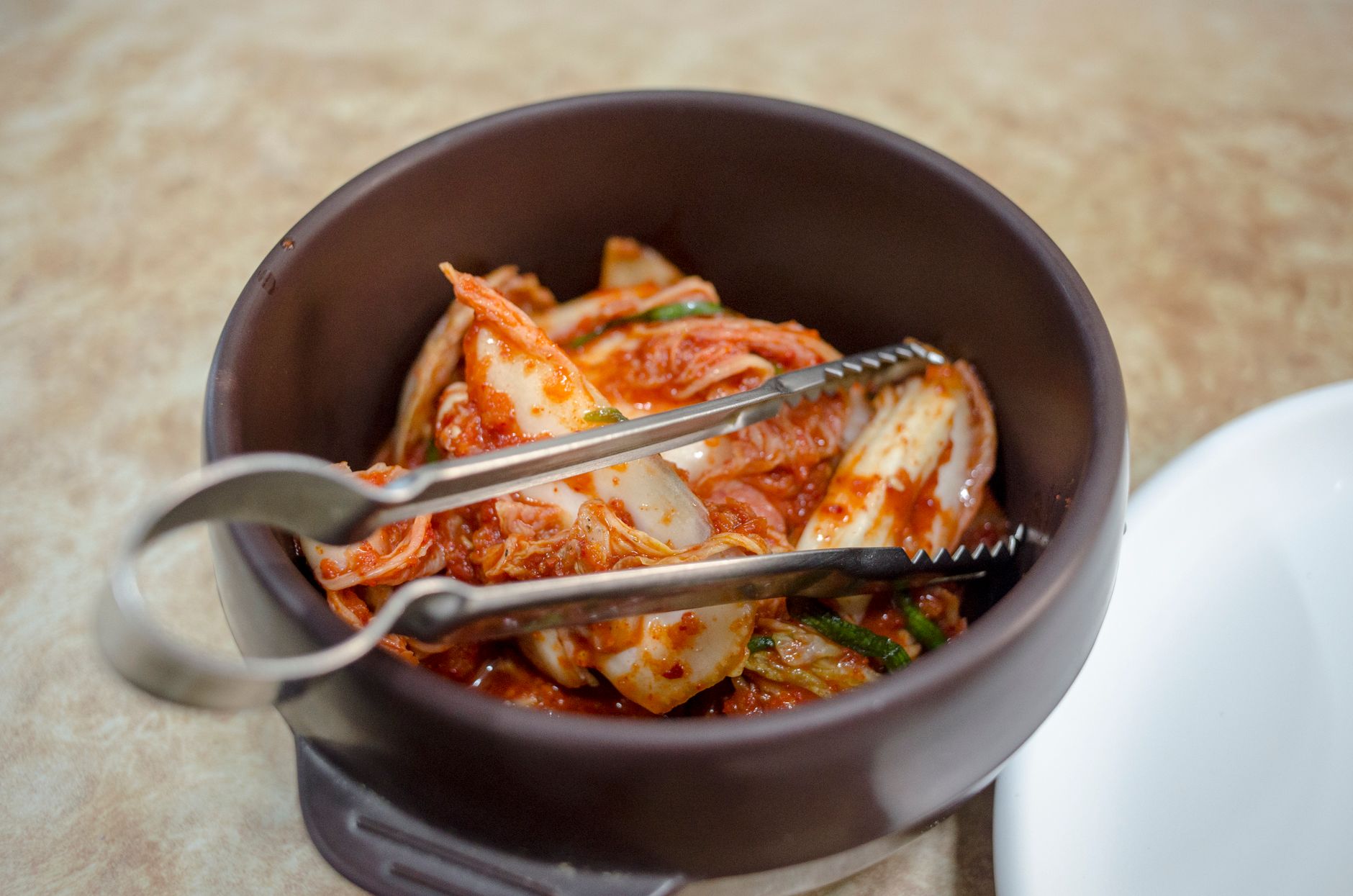
Napa cabbage, also known as Chinese cabbage, is a leafy vegetable characterized by its elongated shape and gently crinkled leaves. It has a mild, slightly sweet flavor that makes it a versatile ingredient in various cuisines, particularly in Asian dishes. Whether you’re tossing it in a salad, adding it to soups, or fermenting it for kimchi, Napa cabbage is both nutritious and delicious.
This unique vegetable is a staple in many kitchens, offering a range of culinary possibilities. Understanding its taste, texture, and uses can elevate your cooking and meal planning.
What Is Napa Cabbage?
Napa cabbage is a cruciferous vegetable that belongs to the Brassica family. It typically has pale green leaves that transition to white towards the base, with a crunchy texture that holds up well in various cooking methods. The vegetable is popular in Asian cuisines, particularly in Chinese, Korean, and Japanese cooking.
In terms of nutrition, Napa cabbage is a low-calorie food that is high in vitamins A, C, and K, as well as various antioxidants. It is also a good source of dietary fiber, making it beneficial for digestive health.
Ingredients and Nutritional Profile of Napa Cabbage
Nutritional Benefits
A typical cup of chopped Napa cabbage (approximately 70 grams) contains:
- Calories: 12
- Protein: 1 gram
- Fat: 0.1 grams
- Carbohydrates: 2.2 grams
- Fiber: 1 gram
- Vitamin A: 5% of the Daily Value (DV)
- Vitamin C: 45% of the DV
- Vitamin K: 45% of the DV
Napa cabbage is not only low in calories but also rich in essential nutrients and antioxidants, making it a great addition to a healthy diet.
Flavors and Textures
The flavor of Napa cabbage is mild and slightly sweet, with a peppery finish that can intensify when cooked. Its texture is crunchy and crisp when raw, providing a refreshing contrast in salads and slaws. When cooked, it becomes tender yet retains some crunch, making it ideal for stir-fries and soups.
Culinary Uses of Napa Cabbage
Napa cabbage is incredibly versatile, making it suitable for numerous dishes. Here are some common culinary uses:
Raw Preparations
- Salads: Napa cabbage can be used as a base for salads, providing a crunchy texture and refreshing taste. Try it in a slaw with carrots and sesame dressing.
- Wraps: The large, pliable leaves can be used to wrap fillings such as proteins and vegetables for a healthy, low-carb alternative to tortillas.
Cooked Preparations
- Stir-Fries: Napa cabbage is commonly stir-fried with other vegetables and proteins. It absorbs flavors well and adds volume to the dish.
- Soups and Stews: Adding Napa cabbage to soups gives a subtle sweetness and enhances the overall texture of the dish.
- Kimchi: Napa cabbage is a key ingredient in kimchi, a traditional fermented Korean dish. The fermentation enhances its flavor and increases its nutritional benefits.
Pickling and Fermentation
Napa cabbage is ideal for pickling due to its ability to absorb flavors. You can make a quick pickle by marinating it in vinegar, sugar, and salt for a tangy side dish. Additionally, its use in kimchi brings a rich umami flavor to the forefront, enhanced by spices and fermentation processes.
How to Select and Store Napa Cabbage
Selecting Fresh Napa Cabbage
When buying Napa cabbage, look for heads that are firm, with crisp outer leaves. The color should be vibrant green at the tips and pale yellow or white towards the stalk. Avoid any heads with wilting or browning leaves, as these indicate spoilage.
Storing Napa Cabbage
To store Napa cabbage, wrap it in a damp paper towel and place it in a plastic bag. Store it in the vegetable crisper section of your refrigerator, where it can last for about one week. If the cabbage starts to wilt, you can revive it by placing it in cold water for a few hours.
Cooking Techniques for Napa Cabbage
Basic Cooking Methods
There are several methods you can use to prepare Napa cabbage:
- Stir-Frying: Heat oil in a wok over medium-high heat, add chopped Napa cabbage, and stir-fry for a few minutes until tender.
- Boiling: Cook in boiling water for about two minutes until wilted, then drain and use in salads or sides.
- Steaming: Steam for around five minutes for a nutritious side dish.
- Raw: Enjoy raw in salads or as a crunchy addition to wraps and sandwiches.
Common Mistakes and Troubleshooting
- Overcooking: Napa cabbage cooks quickly; overcooking can result in a mushy texture. Monitor closely and remove from heat once tender but still crisp.
- Choosing Right: Be cautious with dark spots or strong odors, which can indicate spoilage or poor quality.
Practical Napa Cabbage Recipes
Here are two delicious ways to incorporate Napa cabbage into your meals:
Napa Cabbage Stir-Fry
Ingredients
- 1 head of Napa cabbage, chopped
- 2 tablespoons vegetable oil
- 2 cloves garlic, minced
- 1 tablespoon soy sauce
- 1 teaspoon sesame oil
- 1 carrot, julienned
- Optional: Protein of choice (e.g., chicken, tofu, shrimp)
Method
- Heat vegetable oil in a large skillet or wok over medium-high heat.
- Add minced garlic and sauté for 30 seconds until fragrant.
- Add protein (if using) and cook until done.
- Stir in the chopped Napa cabbage and carrot, cooking for 3-4 minutes until just tender but still crisp.
- Drizzle soy sauce and sesame oil over the mixture, stirring to combine.
- Serve hot, garnished with sesame seeds if desired.
Simple Napa Cabbage Salad
Ingredients
- 1/2 head of Napa cabbage, shredded
- 1 carrot, grated
- 1/4 cup rice vinegar
- 2 tablespoons canola oil
- 1 tablespoon honey or sugar
- Salt and pepper to taste
- Optional: Chopped scallions or cilantro for garnish
Method
- In a small bowl, whisk together rice vinegar, canola oil, honey, salt, and pepper to create the dressing.
- In a large bowl, combine the shredded Napa cabbage and grated carrot.
- Pour the dressing over the salad and toss gently to coat.
- Let sit for 10-15 minutes to allow the flavors to meld, then serve garnished with scallions or cilantro if desired.
Common Substitutions for Napa Cabbage
If you don’t have Napa cabbage on hand, consider these substitutions that can provide similar flavors and textures:
- Green Cabbage: Similar crunchy texture but with a slightly stronger flavor. May require a longer cooking time.
- Savoy Cabbage: A crinkly variety with a buttery texture that works similarly in stir-fries and soups.
- Collard Greens: A slightly more robust flavor and tougher texture; good for long-simmered dishes.
Final Thoughts on Napa Cabbage
Napa cabbage is a fantastic vegetable that brings both flavor and nutrition to a variety of dishes. Its versatility allows for use in both raw and cooked preparations, making it an excellent ingredient for salads, stir-fries, soups, and more.
As you explore the culinary possibilities of Napa cabbage, you’ll discover not only its unique flavor profile but also how to incorporate it into your meals for added nutrition and taste.
Ready to try some recipes? Dive deeper into your culinary adventures with our Napa Cabbage Recipe or check out our Sauteed Cabbage Recipe for a delicious meal option.