
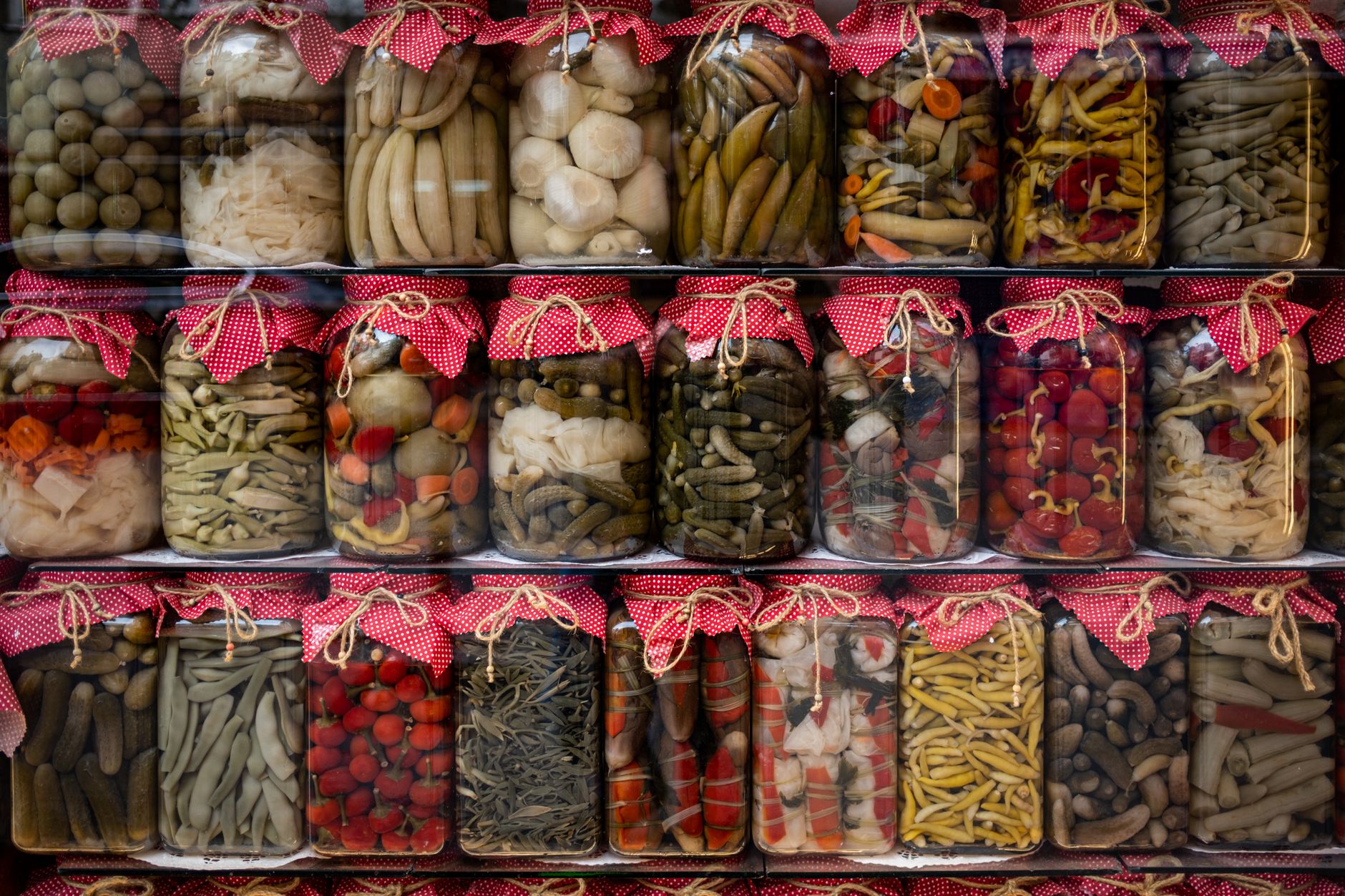
Do Chua is a popular Vietnamese pickled vegetable dish, famous for its crunchy texture and harmonious blend of sweet, sour, and salty flavors. Often served as a condiment or side dish, it complements a variety of meals, enhancing their taste and adding freshness. Understanding the preparation, ingredients, and serving ideas for Do Chua can elevate your culinary experience.
This guide dives into what Do Chua is, the essential steps for preparing it, variations, serving suggestions, and tips for seasoning to achieve the perfect balance of flavors.
What is Do Chua?
Do Chua, also known as Vietnamese pickled vegetables, consists primarily of shredded carrots and daikon radish combined with a sweet and tangy brine. The name “Do Chua” translates to “pickled vegetable” in Vietnamese, embodying its essence. The dish is primarily characterized by its crisp texture and refreshing flavor, which can enliven fried rice, grilled meats, and traditional Vietnamese sandwiches, known as banh mi.
Key Ingredients in Do Chua
The primary ingredients of Do Chua are straightforward and can be found in most grocery stores. Here’s an overview of what you will need:
- Carrots: 1 cup, julienned or shredded.
- Daikon radish: 1 cup, julienned or shredded.
- Water: 1 cup for the brine.
- White vinegar: 1 cup for pickling.
- Sugar: ½ cup to balance the sourness.
- Salt: 1 tablespoon for seasoning and helping with the preservation process.
Preparation and Cooking Method
Preparing Do Chua requires minimal cooking; instead, the focus is on creating a flavorful brine and letting the vegetables marinate. Here’s a step-by-step process to achieve the perfect Do Chua:
- Prepare the vegetables: Begin by peeling and shredding the carrots and daikon radish into thin strips. Uniform size ensures even pickling and texture.
- Salt the vegetables: Place the shredded vegetables in a large bowl. Add salt and toss the vegetables thoroughly. Let them sit for about 15-30 minutes. This process draws out excess water and enhances their crunchiness.
- Rinse and drain: After the resting period, rinse the salted vegetables under cold water to remove excess salt. Drain well and set aside.
- Make the brine: In a saucepan over medium heat, combine water, white vinegar, and sugar. Stir until the sugar dissolves completely. Remove from heat and let the brine cool to room temperature.
- Combine and store: Place the rinsed vegetables in a clean glass jar. Pour the cooled brine over the vegetables, ensuring they are submerged. Seal the jar tightly.
- Pickling time: Let the jar sit at room temperature for at least 1 hour. For best results, refrigerate for 24 hours before consuming to allow the flavors to meld.
Variations of Do Chua
While the classic Do Chua focuses on carrots and daikon, you can explore various modifications to suit your taste preferences:
- Other vegetables: Consider adding sliced cucumbers, radishes, or bell peppers for additional texture and flavor.
- Spicy version: Incorporate sliced chili peppers or red pepper flakes into the brine for a spicy kick.
- Herbs: Add fresh herbs like cilantro or mint for an aromatic twist.
Tips for Seasoning and Flavor Enhancement
Achieving the ideal flavor balance in Do Chua can be nuanced. Here are tips to tailor the seasoning to your liking:
- Sugar balance: Adjust the sugar content according to your preference for sweetness. If you like it less sweet, reduce the sugar quantity slightly.
- Vinegar type: Experiment with different types of vinegar. Rice vinegar provides a milder taste, while distilled white vinegar offers sharper acidity.
- Salt levels: Pay attention to the salting process of the vegetables. Too much salt can overpower the dish, so adjust based on taste during the rinsing step.
Serving Suggestions for Do Chua
Do Chua serves as a versatile condiment that can enhance various dishes. Here are some popular serving ideas:
- Banh Mi: Use Do Chua as a topping for Vietnamese sandwiches, adding a vibrant crunch and flavor contrast to meats.
- Rice dishes: Pair it with fried rice or steamed rice, allowing the tanginess to complement rich or savory flavors.
- Salads: Incorporate into salads to provide a crunchy texture and zesty kick, especially in Asian-inspired recipes.
- Grilled meats: Serve alongside grilled chicken, pork, or seafood, enhancing the overall taste and providing freshness.
Common Mistakes to Avoid
Here are common missteps when preparing Do Chua and how to avoid them:
- Skipping the salting step: This process is essential for both texture and flavor. Avoid omitting this crucial step.
- Using warm brine: Always allow the brine to cool down; hot brine can soften the vegetables too much, affecting the final crunch.
- Not enough pickling time: Allowing sufficient time for pickling is essential. For the best flavor, let the mixture sit in the refrigerator for at least 24 hours.
Storage and Shelf Life
Proper storage of Do Chua ensures it maintains its flavor and texture. Here’s how to store it effectively:
- Storage container: Use a clean, airtight glass jar to store your Do Chua, preventing contamination.
- Refrigeration: Store the pickled vegetables in the refrigerator. They can last for up to 2-3 weeks.
- Monitor quality: Check for any off smells or changes in texture before consuming, as this can indicate spoilage.
Conclusion
Do Chua transcends simple pickled vegetables; it embodies a taste of Vietnamese culinary tradition. Its adaptability in preparation and serving makes it a versatile addition to any meal. Whether enjoyed in banh mi, accompanying grilled meats, or as a tangy side, Do Chua is a delightful way to introduce a burst of flavor to your dining experience.
Ready to explore more about pickled dishes? Check out our guide on Pikliz for a spicy Haitian variation, or learn how to make a Half Sour Pickle recipe for a refreshing snack. Each recipe provides a unique approach to the art of pickling!