
Eggs are a culinary staple found in kitchens around the world. With their versatility, they can be prepared in numerous ways, making their taste an essential aspect of many dishes. Understanding the flavor and texture of eggs can enhance your cooking skills and help you appreciate their culinary applications.
This article delves into the taste profile of eggs, discussing their flavor, texture, and various serving ideas. Whether you’re new to cooking or a seasoned chef, recognizing what eggs taste like will elevate your meals.
What Do Eggs Taste Like?
Eggs possess a unique flavor characterized by a mild richness that can be described as creamy and slightly savory. The taste can vary based on how they are cooked, seasoning, and additional ingredients used in the dish. The texture ranges from tender and smooth in scrambled eggs to firm and chewy in hard-boiled eggs, affecting how they are enjoyed in recipes.
Understanding Egg Flavor
Eggs have a delicate and somewhat neutral flavor that makes them an adaptable ingredient in various cuisines. The core of their taste comes from the yolk, which adds richness, while the egg white contributes a lighter, more subtle flavor. Let’s break down the taste nuances:
The Yolk
The egg yolk is the center of flavor richness. It has a creamy and slightly fatty taste, often compared to butter or custard when cooked. The depth of flavor can depend on the diet of the hens. Hens that eat greens, seeds, or omega-3 enriched feeds produce yolks that are more flavorful and have a vibrant yellow or orange hue.
The Egg White
The egg white, or albumen, has a lighter taste that is almost bland on its own. Its primary role is to provide texture and structure to dishes. When cooked, it transforms into a smooth, slightly rubbery texture, which acts as a contrast to the velvety yolk.
Texture of Eggs
The texture of eggs can vary significantly based on cooking methods, making them enjoyable in a wide range of culinary applications.
Raw Eggs
Raw eggs have a slippery, viscous texture, with the yolk being creamy and thick, and the egg white being somewhat gelatinous. They are often used in dressings, sauces, or baking, but caution is advised regarding food safety when consuming them raw.
Boiled Eggs
Boiled eggs can be categorized into soft-boiled and hard-boiled. Soft-boiled eggs have a runny yolk and a tender egg white, producing a delightful contrast. Hard-boiled eggs, on the other hand, have a firmer, crumbly yolk and a rubbery egg white, which are perfect for slicing in salads or making deviled eggs.
Scrambled Eggs
Scrambled eggs deliver a tender, fluffy texture when prepared correctly. They should be creamy, light, and soft, with a delicate cohesion among the egg curds.
Fried Eggs
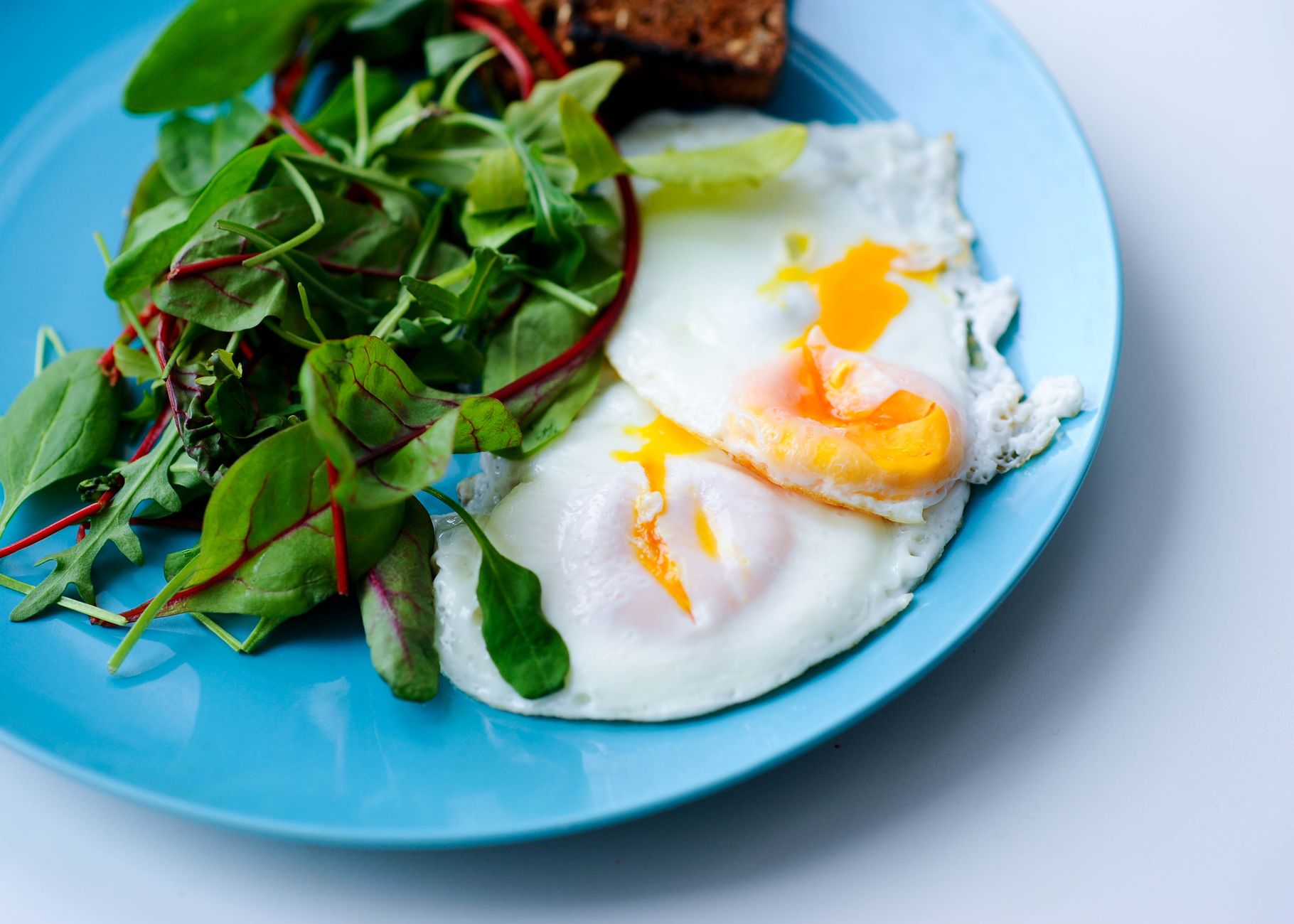
Fried eggs can have a range of textures depending on cooking time. Sunny-side-up eggs maintain a runny yolk with crisp edges, while over-easy eggs present a thin layer of cooked white surrounding a lightly set yolk. The texture can be enhanced with seasonings or herbs.
Baked Eggs
Shakshuka, frittatas, and quiches introduce yet another dimension. The eggs in these dishes absorb flavors from ingredients like vegetables and cheeses, resulting in a hearty, rich texture.
Cooking Techniques and Their Impact on Flavor
The cooking method you choose significantly affects the taste and texture of eggs. Here are some common techniques and their implications:
Boiling
Boiled eggs can be cooked to varying degrees of doneness. In soft-boiling, the yolk is creamy, enhancing the richness. For hard-boiled eggs, careful timing is essential to achieve the desired crumbly yolk. Overcooking can lead to sulfuric notes in the yolk, diminishing its pleasant flavor.
Scrambling
Scrambled eggs require low heat and gentle stirring to achieve a light, fluffy consistency, allowing for even cooking without browning. Adding cream or milk boosts the richness of the dish and adds a silky mouthfeel.
Frying
Frying eggs can create distinct textures. High heat quickly firms the egg white while maintaining a runny yolk in sunny-side-up eggs. Using oil can add a crispy texture, enhancing flavor through browning.
Baking
Baking eggs in dishes like quiches or casseroles allows for blending with other ingredients, infusing flavors. Baked eggs become creamier and may absorb seasonings, leading to a well-rounded dish.
Serving Ideas for Eggs
Eggs’ versatility opens doors to numerous serving ideas that cater to various meal times. Here are some popular recipes and preparations:
Breakfast Classics
- Scrambled Eggs: Served with toast, garnished with herbs like chives or parsley, and often paired with bacon or sausage.
- Omelettes
- Fried Eggs: Perfect on toast, in breakfast sandwiches, or as part of a full English breakfast.
- Pancakes or Waffles: Incorporating eggs into the batter, creating light and fluffy breakfast pastries.
Lunch or Dinner Options
- Salads: Chopped hard-boiled eggs add protein and texture. Consider classic dishes like egg salad or Cobb salad.
- Shakshuka: Poached eggs in a spicy tomato sauce, served with crusty bread for dipping.
- Frittatas: A versatile dish packed with vegetables, meats, or cheeses, ideal for a fulfilling meal.
Snacks and Appetizers
- Deviled Eggs: They make for an elegant appetizer perfect for gatherings and can be seasoned in various ways.
- Egg Muffins: A portable option combining eggs with vegetables, cheese, and meats, ideal for snacks or quick breakfasts.
Desserts
- Custards and Puddings: Using eggs to provide richness and creaminess in desserts like crème brûlée or flan.
- Chiffon Cakes: Eggs contribute to a light, airy texture in these delightful baked treats.
Flavor Pairings with Eggs
Eggs pair well with a variety of flavors, enhancing both sweet and savory dishes. Here are some suggestions to heighten your culinary creations:
Herbs and Greens
- Chives add mild onion flavor.
- Basil contributes a sweet scent and flavor.
- Spinach and kale provide a nutritional boost and earthy notes.
Vegetables
- Tomatoes, particularly in shakshuka or frittatas, offer acidity and brightness.
- Bell peppers and onions add sweetness and crunch in various dishes.
Cheeses
- Feta adds a tangy sharpness.
- Cheddar provides richness, making it great in omelettes or scrambled eggs.
Spices and Condiments
- Salt and pepper enhance the egg’s natural flavors.
- Hot sauces add heat and complexity and are popular for breakfast dishes.
- Mustard and mayonnaise bring acidity and creaminess to deviled eggs or salads.
Practical Tips for Cooking Eggs
To elevate your egg-cooking skills, consider these practical tips:
- Use fresh eggs for the best flavor and texture. Freshness affects how fluffy scrambled eggs turn out.
- Cook at lower temperatures for scrambled eggs; high heat can make them rubbery.
- Invest in a non-stick pan for frying and scrambling to prevent sticking and ensure easy cleanup.
- Experiment with combinations of herbs, cheeses, and spices to find your preferred flavor profiles.
Storage and Safety of Eggs
Proper storage of eggs is essential for maintaining freshness. Store eggs in their original carton in the refrigerator to prevent absorption of odors and contamination. Remember that eggs can be kept in the refrigerator for up to three to five weeks.
When cooking eggs, follow safe practices. Always ensure that eggs are fully cooked if you are serving them to children, pregnant women, or people with compromised immune systems. Avoid serving raw or undercooked eggs to minimize the risk of foodborne illnesses.
Common Mistakes When Cooking Eggs
Even seasoned cooks can make errors when working with eggs. Here are some common mistakes and how to avoid them:
Overcooking
Overcooking eggs can lead to tough textures and sulfuric flavors, especially in boiled or scrambled eggs. Monitor cooking times and opt for lower heat to achieve a tender result.
Improper Cracking
Cracking eggs against sharp edges might introduce shell fragments. Instead, crack them against a flat surface for a cleaner break.
Not Seasoning
Eggs benefit from seasoning. Neglecting to add salt and pepper can result in bland dishes. Season before and after cooking to enhance their natural flavors.
Conclusion
Eggs are a versatile ingredient with a delightful flavor profile and texture, making them a staple in various global cuisines. Their mild richness and adaptability allow them to shine in breakfast, lunch, dinner, and even dessert. By experimenting with cooking techniques, flavor pairings, and serving ideas, you can create delicious meals that highlight what eggs taste like. Start by incorporating eggs into your cooking repertoire and enjoy their remarkable culinary potential.
Explore related recipes and tips for cooking, such as how many calories in 2 scrambled eggs, or learn about egg storage and safety with how long can you keep eggs in the refrigerator.