
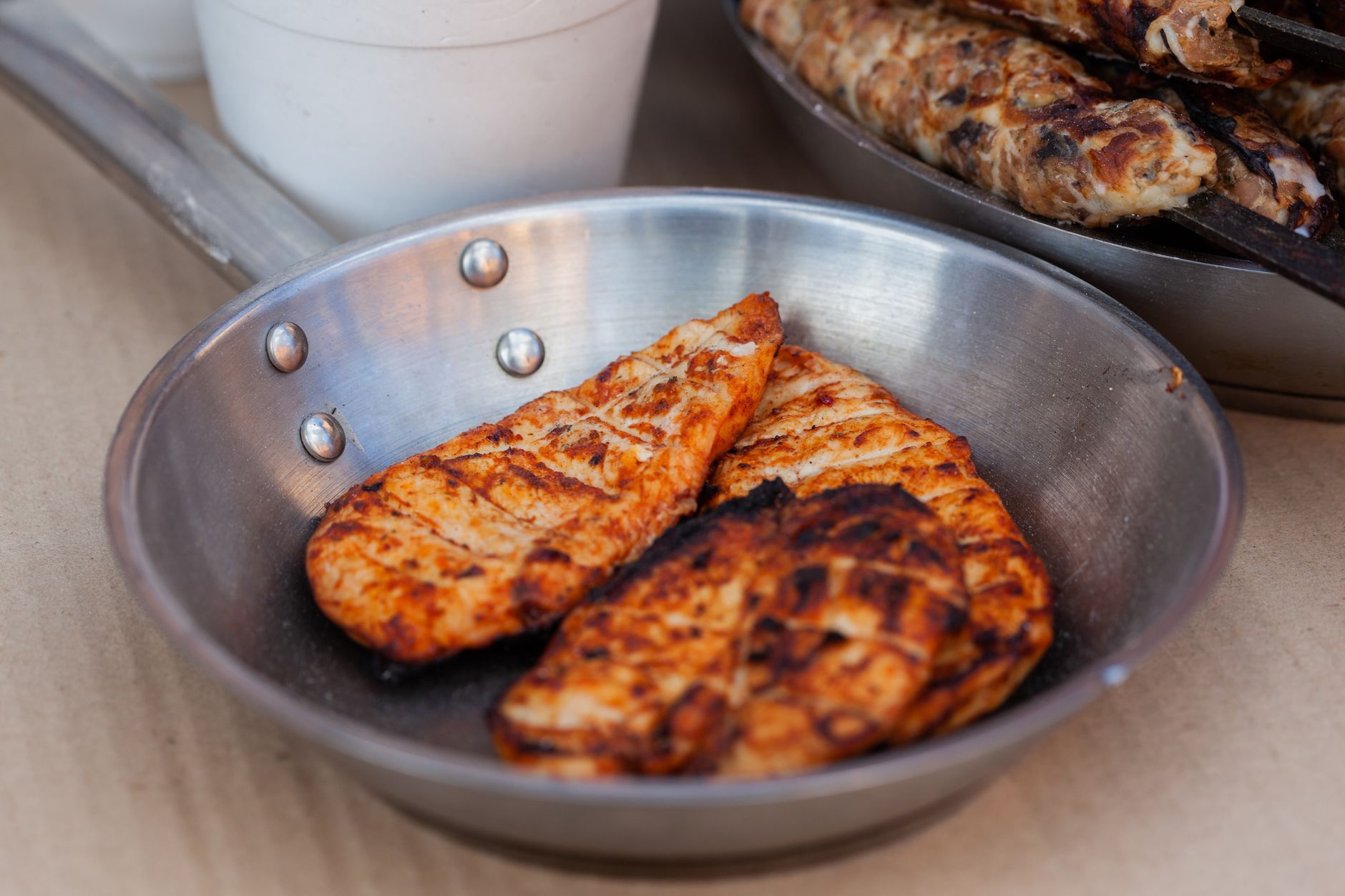
Chicken is a popular protein choice in many diets worldwide, praised for its versatility and lean meat. A common question that arises among health-conscious individuals, especially those monitoring their mineral intake, is whether chicken is high in phosphorus.
This article will explore the phosphorus content in chicken, its nutritional importance, and practical implications for meal planning and cooking.
Is Chicken High in Phosphorus?
Yes, chicken is relatively high in phosphorus. Depending on the cut and cooking method, chicken can contain around 200 to 300 milligrams of phosphorus per 100 grams. This mineral is essential for various bodily functions, including bone health and energy production.
Understanding Phosphorus
Phosphorus is a crucial mineral that plays several important roles in the body. It is a component of DNA and RNA, necessary for protein synthesis, energy production (as part of ATP), and maintaining healthy bones and teeth. Often, people consume sufficient phosphorus through their diet, especially if they eat protein-rich foods.
The Role of Phosphorus in the Body
- Bone Health: Phosphorus works closely with calcium to build and maintain strong bones and teeth.
- Energy Production: It is involved in the formation of ATP (adenosine triphosphate), the molecule that stores and transfers energy in cells.
- Cellular Function: Phosphorus plays a critical role in cell membrane integrity and signaling pathways.
- Acid-Base Balance: It helps maintain the body’s pH balance, which is vital for optimal cellular function.
Phosphorus Content in Different Cuts of Chicken
The phosphorus content in chicken can vary based on the cut and preparation method. Here’s a breakdown of common chicken cuts and their phosphorus levels per 100 grams:
| Chicken Cut | Phosphorus Content (mg) |
|---|---|
| Chicken Breast (cooked, skinless) | 225 |
| Chicken Thigh (cooked, skinless) | 240 |
| Chicken Drumstick (cooked, skinless) | 215 |
| Chicken Wing (cooked, skinless) | 229 |
| Ground Chicken | 220 |
These values illustrate that all chicken cuts generally contain significant amounts of phosphorus, making them good sources of this essential mineral.
Phosphorus in Chicken vs. Other Sources
When compared to other meats and protein sources, chicken holds a moderate phosphorus content. Here’s how chicken stacks up against a few common foods:
| Food Source | Phosphorus Content (mg per 100g) |
|---|---|
| Beef (cooked) | 240 |
| Pork (cooked) | 300 |
| Salmon (cooked) | 250 |
| Tofu | 200 |
| Milk | 105 |
As illustrated, chicken contains a phosphorus content similar to that of other meats but is generally higher than vegetarian sources like tofu or milk. It’s important to consider this when planning meals, especially for those who might be monitoring phosphorus intake for health reasons.
Dietary Recommendations for Phosphorus Intake
For most adults, the recommended dietary allowance (RDA) for phosphorus is around 700 mg per day. This amount may vary based on age, sex, and health conditions. Most individuals can meet their phosphorus needs through a balanced diet without any supplements.
Special Considerations for Certain Diets
People with specific health conditions, such as chronic kidney disease, may need to restrict their phosphorus intake. In such cases, consulting a healthcare professional or nutritionist is crucial to maintain a healthy balance. Here are a few dietary groups and their typical phosphorus considerations:
- Vegetarians/Vegans: Relying on plant-based proteins may require careful planning to ensure adequate phosphorus intake.
- Kidney Patients: High phosphorus levels can be harmful; thus, these individuals usually focus on low-phosphorus foods.
- Athletes: Increased physical activity may lead to higher phosphorus needs for bone health and energy metabolism.
Health Benefits of Chicken
Beyond phosphorus, chicken offers additional health benefits. It is low in saturated fat and a great source of high-quality protein, making it a staple in many healthy diets. Here are some benefits associated with chicken consumption:
- High Protein Content: Essential for muscle growth and repair.
- Low in Fat: Skinless chicken is particularly low in saturated fat compared to other meat sources.
- Rich in B Vitamins: Chicken is a good source of vitamins, such as B3 (niacin) and B6, which play vital roles in metabolism and brain health.
- Mineral Source: Aside from phosphorus, chicken contains other important minerals like selenium and zinc.
Cooking with Chicken: Practical Tips
When incorporating chicken into your meals, consider various cooking methods that retain moisture and flavor. Here are some practical tips:
Cooking Methods
- Grilling: A popular method that adds a smoky flavor. Marinade the chicken beforehand for enhanced taste.
- Roasting: Roasting chicken allows for even cooking. Ensure the internal temperature reaches at least 165°F (74°C) for safety.
- Stir-Frying: Quick method that works well for chicken strips with vegetables, retaining nutrients and flavor.
- Slow Cooking: Great for shredding chicken in dishes like tacos and soups. Add liquid for moisture.
Flavor Pairings
Chicken can be paired with a wide array of flavors. Here are some classic combinations to consider:
- Herbs: Rosemary, thyme, and parsley are excellent choices that complement chicken’s neutral flavor.
- Spices: Paprika, cumin, and black pepper add warmth and depth.
- Citrus: Lemon and lime juices can brighten the dish and enhance its nutritional aspects.
- Condiments: Mustard, soy sauce, or honey can add complexity and richness.
Common Mistakes When Cooking Chicken
Even experienced cooks can make mistakes when preparing chicken. Here are some common pitfalls to avoid:
- Not Using a Thermometer: Always check the internal temperature to ensure it’s cooked thoroughly.
- Overcrowding the Pan: This can lead to steaming rather than browning, making chicken rubbery.
- Seasoning Too Close to Cooking Time: Letting the chicken marinate overnight helps infuse flavor.
- Cooking on High Heat: This can burn the outside while leaving it raw inside; use medium heat for even cooking.
Meal Planning and Preparation with Chicken
Incorporating chicken into your meal prep can help you save time and maintain a balanced diet. Here are some strategies for effective meal planning:
Batch Cooking
Batch cooking larger quantities of chicken can be a smart approach. Consider these steps:
- Choose Cuts: Select a variety of cuts, such as breasts, thighs, or a whole chicken for versatility.
- Marinate: Use marinades to enhance flavors before cooking. This also helps tenderize the meat.
- Cook and Cool: Cook the chicken and let it cool before proper storage to retain moisture.
- Portion Sizes: Divide into servings for easy access throughout the week. Store in reliable containers.
Using Leftover Chicken
Leftover chicken can be a lifesaver for quick meals. Here are some ideas to repurpose that leftover chicken:
- Chicken Salads: Shred chicken and mix with greens, nuts, or grains for a filling salad.
- Soups and Stews: Add to broth with vegetables for a comforting meal.
- Tacos or Wraps: Use shredded chicken in tortillas with your favorite toppings.
- Pizza Topping: Sprinkle leftover chicken on homemade pizzas or flatbreads.
Storage and Reheating Guidelines for Chicken
Proper storage is vital to maintain the quality and safety of cooked chicken. Here are the guidelines:
Storage
- Refrigeration: Cooked chicken should be stored in airtight containers or tightly wrapped. Use within 3 to 4 days.
- Freezing: If longer storage is needed, freeze chicken within 2 hours of cooking. Properly packaged, it can last 4 to 6 months.
Reheating
To reheat chicken, follow these tips:
- Oven: Reheat in the oven at 350°F (175°C) until heated through.
- Microwave: Use a microwave-safe container and cover to maintain moisture, reheating in intervals.
- Skillet: Stir-frying can help retain moisture while reheating.
Final Thoughts on Chicken and Phosphorus
In summary, chicken is indeed high in phosphorus and offers several nutritional benefits, making it a worthy addition to many meal plans. Understanding its role in health and nutrition can help you make informed dietary choices.
Consider utilizing chicken in your meal preparation to enjoy its versatility and flavor while maintaining a balanced diet. With recipes and ideas for incorporating chicken, it’s easy to keep your meals both delicious and nutritious. For important guidelines on storage, check out how long cooked chicken lasts or how to make a delicious chicken stock.