
There’s something magical about biting into a crisp, tangy pickle straight from a glass jar in your fridge, knowing you made it yourself with just a handful of ingredients and a bit of patience.
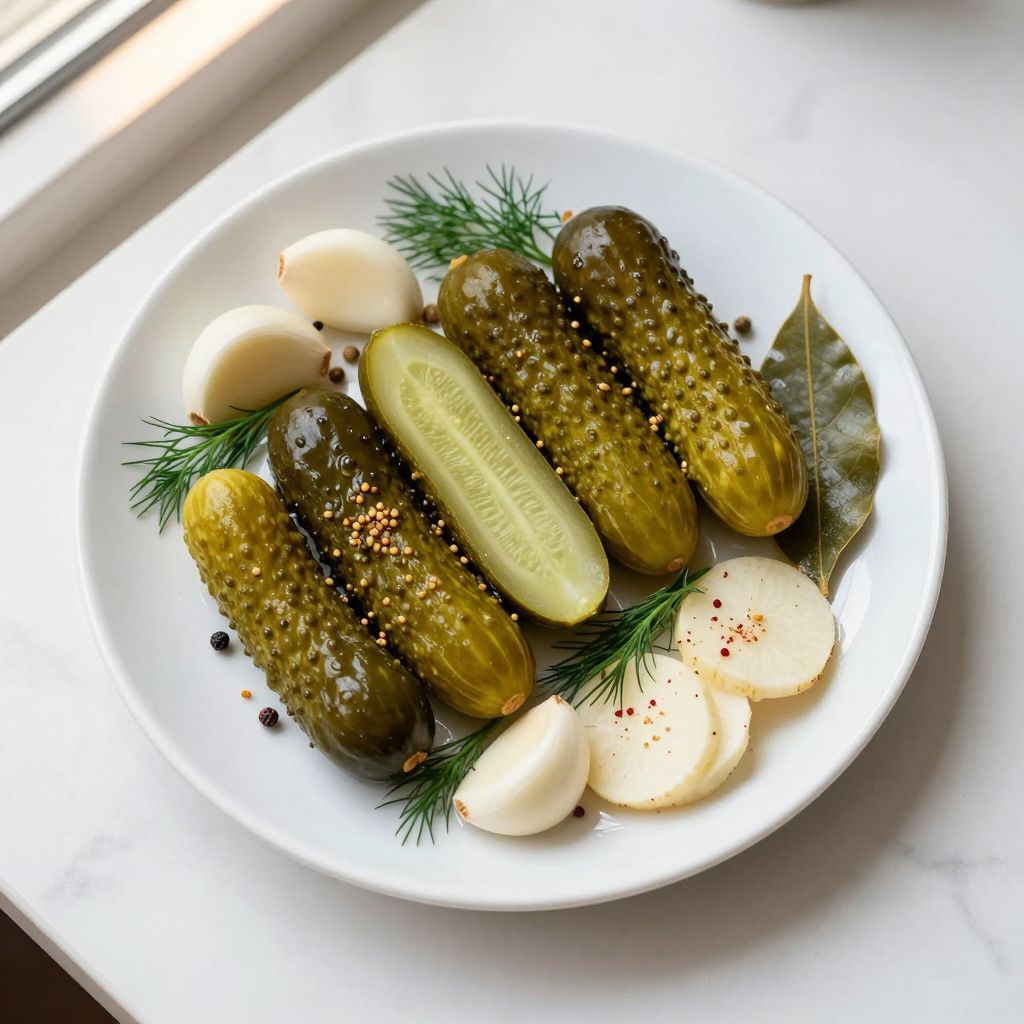
Half sour pickles sit in that perfect sweet spot between fresh cucumbers and fully fermented pickles, offering a delightful crunch with just enough sour bite to make your taste buds sing. Unlike their full-sour cousins that demand weeks of fermentation, half sours come together in just 3 to 5 days, making them ideal for home cooks who want authentic flavor without the long wait. They’re crisp, garlicky, alive with flavor, and honestly addictive.
This recipe cuts through the complexity of traditional pickling and delivers straightforward instructions that guarantee success every single time. Whether you’re a fermentation novice or a seasoned pickle enthusiast, you’ll find this method reliable and fun to execute.
Why You’ll Love This Recipe
Half sour pickles deliver everything you want in a homemade pickle: crispness, tang, and garlicky goodness without the weeks-long wait of full fermentation. This recipe is forgiving, customizable, and produces restaurant-quality results in your own kitchen.
- Ready in just 3 to 5 days, not weeks or months
- Naturally crisp and snappy with the perfect sour-to-fresh ratio
- Loaded with garlic, dill, and spices you control completely
- Perfect for snacking, serving on charcuterie boards, or adding to sandwiches
- Incredibly affordable compared to store-bought artisan pickles
My Experience Making This Recipe
I first made these pickles on a whim after my farmer’s market haul left me with more cucumbers than I could eat fresh. I’d always been intimidated by fermentation, convinced I’d end up with mushy failures or something unsafe, but this recipe proved my anxiety completely unfounded.
The moment I cracked open that jar three days later, the aroma hit me instantly, a glorious mix of fresh dill, garlic, and that distinctive pickle tang. My whole kitchen smelled like a proper deli, and when I tasted that first pickle, I couldn’t stop eating them straight from the jar like some kind of pickle-obsessed fool.
Friends and family started requesting jars of my half sours, and now I make several batches every summer. The fact that I can control the salt level, spice intensity, and fermentation time means I’ve created versions that are slightly sweeter, extra garlicky, or loaded with hot peppers, depending on who I’m making them for.
Recipe Overview
- Recipe Name: Half Sour Pickle Recipe
- Servings: Makes about 1 quart jar (approximately 8 to 10 pickles)
- Prep Time: 15 minutes
- Cook Time: 0 minutes (fermentation takes 3 to 5 days)
- Total Time: 3 to 5 days plus 15 minutes prep
- Course: Condiment or Appetizer
- Cuisine: American (Jewish Deli Style)
- Calories per Serving: Approximately 8 calories per pickle
Equipment You Will Need
- One clean quart-sized glass jar with a lid
- Cutting board
- Sharp knife
- Measuring spoons and cups
- Small saucepan
- Slotted spoon or tongs
- Cheesecloth or paper towel (optional, for covering during fermentation)
Ingredients for Half Sour Pickles
- Pickling cucumbers (Kirby or similar): about 2 pounds, or enough to fill your jar
- Water: 2 cups
- Sea salt or kosher salt: 3 tablespoons
- Fresh garlic cloves: 4 to 5 cloves, peeled and halved
- Fresh dill: 2 to 3 tablespoons (or 1 tablespoon dried dill, though fresh is superior)
- Pickling spices (mustard seeds, coriander seeds, black peppercorns): 1 tablespoon total
- Red pepper flakes (optional): 1/2 teaspoon for a touch of heat
- Horseradish root (optional): small piece about the size of a grape, sliced thin, for keeping pickles crisp
- Bay leaves (optional): 1 leaf
Ingredient Notes and Substitutions
- Pickling cucumbers: These small, thin-skinned varieties have fewer seeds and thinner walls than slicing cucumbers, keeping your pickles crisp. If Kirby cucumbers aren’t available, Persian or English cucumbers work acceptably, though you may sacrifice some of that ideal snap.
- Sea salt or kosher salt: Real salt (not iodized table salt) allows proper fermentation and flavor development without adding unwanted chemical additives. If only table salt is available, reduce the amount by about 25 percent, as it’s finer and measures more densely.
- Fresh garlic: Fresh cloves develop a subtle, mellow flavor during fermentation that pre-minced jarred garlic simply can’t match. Pre-minced garlic tends to turn mushy and can introduce unwanted bacteria, so skip it.
- Fresh dill: The feathery herb offers a bright, aromatic quality that defines classic deli pickles. Dried dill works in a pinch, but use only one-third the amount since it concentrates during fermentation and can easily overpower.
- Horseradish root: This traditional ingredient contains natural compounds that slow enzyme activity and help pickles stay crisp during fermentation. If unavailable, a grape leaf or oak leaf serves the same purpose, though results may be slightly less crisp.
How to Make Half Sour Pickles
Step 1: Prepare Your Cucumbers
Wash your pickling cucumbers thoroughly under cold running water, scrubbing gently to remove any dirt or garden debris. Trim off the blossom end (the opposite end from the stem) by cutting about one-quarter inch, as this end contains enzymes that cause mushiness during fermentation.
Step 2: Prepare Your Jar and Ingredients
Choose a clean quart-sized glass jar and rinse it well with hot water, making sure no soap residue remains. Gather all your garlic cloves, fresh dill, spices, and any optional ingredients like bay leaves or horseradish and arrange them near your workspace for quick assembly.
Step 3: Create the Brine
Pour 2 cups of water into a small saucepan and add 3 tablespoons of sea salt or kosher salt. Stir over medium heat until the salt dissolves completely, about 2 to 3 minutes, then remove from heat and let the brine cool to room temperature for about 10 minutes.
Step 4: Layer Your Jar
Place a small piece of horseradish root (if using) at the bottom of your clean jar, then scatter in half of your garlic cloves, dill, pickling spices, and any bay leaves. This creates a flavorful base layer that seasons the brine and the pickles evenly.
Step 5: Pack the Cucumbers
Standing your cucumbers upright in the jar, pack them in as tightly as possible without crushing them, arranging them so they fit snugly. Fill the jar to within about one inch of the top, which leaves room for the brine and allows for natural expansion during fermentation.
Step 6: Add Remaining Aromatics and Top Layer
Scatter the remaining garlic cloves, dill, spices, and horseradish (if using) over the top of the packed cucumbers. This ensures every pickle receives flavor from above as well as below, creating consistent taste throughout the jar.
Step 7: Pour the Brine
Carefully pour the cooled brine over the packed cucumbers, filling the jar until all vegetables are completely submerged. Submerged vegetables are crucial for safe fermentation, as any cucumber exposed to air can develop mold or off-flavors.
Step 8: Secure and Ferment
Screw the lid on tightly or cover the jar opening with cheesecloth secured with a rubber band, then place the jar on a kitchen counter away from direct sunlight at room temperature. Half sours ferment faster than full sours, and within 24 hours you’ll notice tiny bubbles forming, indicating healthy fermentation is underway.
Step 9: Check Daily and Taste
Peek at your jar each day and taste a pickle starting on day 2 using a clean spoon or fork. You’re looking for that perfect balance of fresh vegetable flavor with just enough sour punch, which typically happens between day 3 and day 5 depending on your room temperature.
Step 10: Refrigerate When Ready
Once the pickles reach your preferred level of sourness, screw the lid on securely and move the jar to your refrigerator. Refrigeration dramatically slows fermentation, allowing you to enjoy your pickles at the exact crispness and tang you love for weeks to come.
Pro Tip: The cooler your kitchen, the slower fermentation occurs; conversely, a warm kitchen speeds things up, sometimes producing half sours in just 2 to 3 days instead of 5.
Tips for the Best Half Sour Pickles
- Use cucumbers that are as fresh as possible, ideally picked or purchased within 24 hours, since older cucumbers ferment unevenly and may soften.
- Never skip trimming the blossom end, which contains softening enzymes that can sabotage your pickle texture even in just a few days.
- Keep your jar away from direct sunlight, as UV light can accelerate fermentation and lead to undesirable flavors or overly soft pickles.
- Taste your pickles starting on day 2 to understand your personal preference; some people love them tangier, while others prefer a fresher flavor profile.
- If you prefer crisper pickles, add a small piece of grape leaf, oak leaf, or horseradish root, which contain tannins that prevent mushiness.
- Ensure complete submersion of all vegetables throughout fermentation by weighing them down with a smaller glass jar filled with brine if needed.
Common Mistakes to Avoid
- Using slicing cucumbers instead of pickling varieties: These larger cucumbers have thicker skins and more seeds, resulting in mushy, hollow pickles that ferment unevenly and lack the satisfying crunch.
- Forgetting to trim the blossom end: This overlooked step introduces enzymes that soften pickles rapidly, leaving you with disappointing mushy results by day 3.
- Exposing cucumbers to air during fermentation: Any vegetable floating above the brine develops surface mold or off-flavors that ruin the entire batch.
- Using iodized table salt: The iodine and anti-caking agents interfere with fermentation chemistry and create cloudy, off-tasting brine that clouds the flavor profile.
- Moving the jar in and out of the refrigerator repeatedly: Temperature fluctuations cause erratic fermentation that results in inconsistent pickle texture, with some pieces overfermented while others stay too fresh.
Serving Suggestions
Half sour pickles shine on their own as a zesty snack, but they’re equally brilliant incorporated into meals and charcuterie spreads. Their bright acidity and garlicky crunch pair beautifully with rich, savory foods that benefit from a sharp counterpoint.
- Serve alongside a charcuterie board with cured meats, aged cheeses, and crusty bread
- Layer into deli sandwiches, especially pastrami or corned beef, where their crunch contrasts with tender meat
- Chop and mix into tuna or chicken salad for brightness and crunch
- Pair with rich fatty dishes like burgers, hot dogs, or fried chicken to cut through the heaviness
- Serve as a bar snack alongside cocktails, where the acidity and salt enhance both spirits and beer
Variations to Try
- Spicy Half Sours: Add one-half to one full teaspoon of red pepper flakes or one sliced fresh hot pepper to the jar for a peppery kick that builds warmth with each bite.
- Sweet and Spicy: Add one tablespoon of sugar or honey to the brine along with extra red pepper flakes for a complex sweet-heat profile that appeals to those who prefer less stark sourness.
- Dill-Free Half Sours: Replace fresh dill with fresh tarragon, fennel fronds, or Italian parsley for a completely different aromatic profile that’s still delicious.
- Garlic Lovers’ Version: Double the garlic cloves to eight or ten and add a few slices of fresh onion for an even more pungent, savory ferment.
- Mustard Seed Heavy: Increase pickling spices to focus on mustard seeds, creating a slightly sweeter, nuttier pickle flavor that some find more approachable than straight dill.
Dietary Adaptations
- Gluten-free: This recipe is naturally gluten-free as written; just confirm your spice blends and salt contain no additives or fillers.
- Low-sodium: Reduce salt to two tablespoons per quart, though fermentation will slow and pickles may soften slightly since salt acts as both flavor and preservative.
- Vegan and vegetarian: This recipe is already fully vegan and vegetarian with no animal products involved at any stage.
- Keto and low-carb: Half sour pickles are essentially zero-carb and fit perfectly into keto diets; one pickle contains just one gram of carbs or less.
Storage and Reheating
Refrigerator
Properly fermented half sours last up to two months in the refrigerator, though flavor deepens and sourness increases slightly over time. Store them in their brine in a sealed jar on a shelf rather than the door, where temperature fluctuates.
- Transfer to an airtight glass container if desired
- Check occasionally for any surface mold, though properly submerged pickles rarely develop mold
- Taste occasionally to monitor flavor development and decide when you prefer them most
Freezer
Freezing is not recommended for these pickles, as the frozen water inside the cucumber cells expands and ruptures cell walls, resulting in mushy, unappetizing texture upon thawing. The crisp snap you worked to achieve disappears completely.
Reheating
These pickles are served cold directly from the refrigerator and never require reheating. Simply remove pickles with a clean fork or slotted spoon and serve immediately for optimal crispness and flavor.
Nutrition Information
| Nutrient | Amount |
|---|---|
| Calories | 8 |
| Total Fat | 0g |
| Saturated Fat | 0g |
| Carbohydrates | 1g |
| Fiber | 0g |
| Sugar | 1g |
| Protein | 0g |
| Sodium | 560mg |
| Cholesterol | 0mg |
These values represent a single pickle (approximately one-ninth of the jar contents) and are estimates based on standard USDA nutrition data for fermented cucumbers. Actual nutrition may vary slightly depending on fermentation time and individual cucumber size.
Frequently Asked Questions
What’s the difference between half sours and full sours?
Half sours ferment for just 3 to 5 days and retain a fresher cucumber flavor with mild tanginess, while full sours ferment for 3 to 6 weeks and develop deep, intensely sour flavor with softer texture. Half sours are crunchier and closer to the original cucumber taste, making them ideal for those who find full sours too acidic.
Can I use regular table salt instead of kosher salt?
You can, but reduce the amount to two tablespoons since table salt is more densely packed and contains iodine, which can cloud your brine and create off-flavors. Kosher salt and sea salt are truly superior choices for this recipe.
Why did my pickles turn mushy?
Mushiness typically results from not trimming the blossom end (which contains softening enzymes), using older cucumbers, fermenting too long, or keeping the jar in a warm location that accelerates fermentation. Ensure you use the freshest cucumbers possible and always trim the blossom end.
Can I make these pickles without fermentation?
Yes, you can make quick refrigerator pickles by heating the brine with a splash of vinegar, pouring it over cucumbers, and chilling immediately. However, these lack the complex flavor and probiotic benefits of naturally fermented half sours, so they’re a different product entirely.
How do I know when my half sours are ready?
Start tasting on day 2 using a clean spoon, checking for that sweet spot between fresh and sour that appeals to your palate. Most people find their ideal balance between day 3 and day 5, at which point you move the jar to the refrigerator.
What if white film or cloudy brine develops?
A thin white film on the surface (kahm yeast) is harmless and common; simply skim it off with a spoon and discard. The cloudiness in the brine is typically yeast or lactic acid bacteria activity and is completely safe, though you can strain the brine if you prefer clarity.
Can I reuse the brine for a second batch?
You can, though the brine will have less saltiness and more fermentation byproducts, which may result in faster fermentation and softer pickles. For best results, make fresh brine each time to control salt levels and fermentation speed precisely.
Final Thoughts
Making half sour pickles is one of those kitchen projects that feels like magic, turning humble cucumbers and salt brine into something restaurant-quality and deeply satisfying. Once you taste the crisp, garlicky results of your own fermentation, store-bought pickles will feel disappointingly bland and lifeless.
I encourage you to try this recipe this week, even if fermentation feels intimidating at first. Start with one jar, taste along the way, and discover your ideal fermentation timeline and flavor profile. Before you know it, you’ll be making multiple batches, gifting jars to friends, and wondering how you ever lived without a constant supply of homemade pickles in your refrigerator.
Explore More Pickled Recipes
Once you master half sour pickles, expand your fermentation skills with other delicious pickled vegetables and spice blends that bring excitement to your kitchen.
- Try our pickled okra recipe for a completely different texture and vegetable that ferments beautifully
- Explore our pickling spice recipe to create your own custom spice blend and fine-tune every batch exactly how you like it
Half Sour Pickle Recipe
Ingredients
Equipment
Method
- Wash the cucumbers under cold running water and trim off the blossom ends.
- Rinse and prepare a clean quart-sized glass jar and arrange garlic, dill, spices, and horseradish at the bottom.
- In a small saucepan, combine 2 cups water and 3 tablespoons salt; heat over medium heat, stirring until salt dissolves (about 2 to 3 minutes), then let the brine cool to room temperature (about 10 minutes).
- Pack the cucumbers upright into the jar, leaving about 1 inch headspace at the top.
- Add remaining garlic, dill, spices, and horseradish on top of the cucumbers.
- Pour the cooled brine over the cucumbers until fully submerged.
- Seal the jar with a lid or cover with cheesecloth and secure with a rubber band. Ferment at room temperature away from direct sunlight for 3 to 5 days, tasting from day 2.
- Once pickles reach desired sourness (typically days 3–5), seal the jar and transfer it to the refrigerator to halt fermentation.