
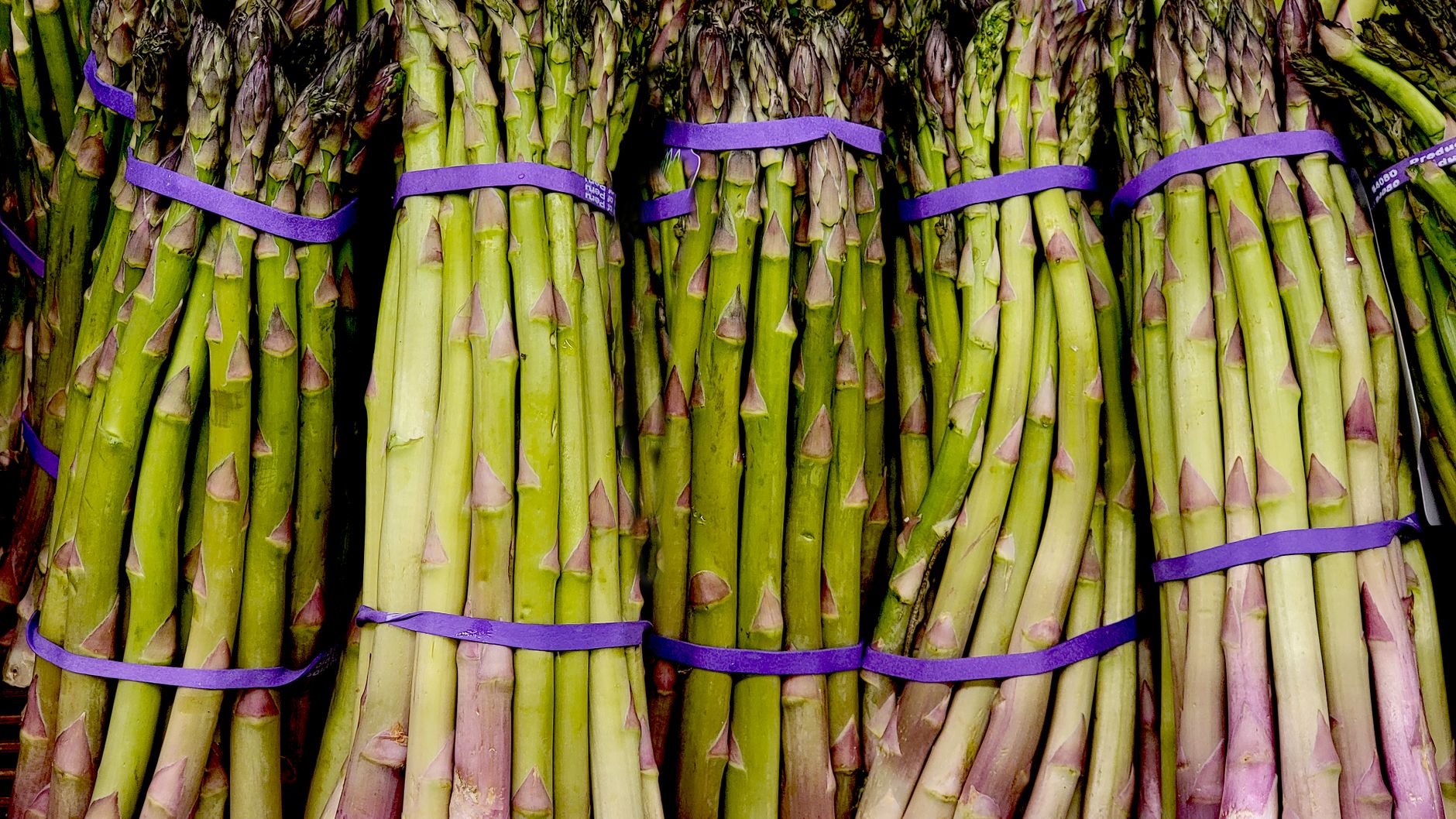
Asparagus has long been hailed as a nutrient-dense vegetable, often making its way into weight loss discussions due to its low-calorie content and various health benefits. This article delves into whether asparagus is indeed a good addition to a weight loss diet and what dietary considerations one should take into account.
We’ll explore the nutritional profile of asparagus, its potential weight loss benefits, how to incorporate it into meals, and practical cooking techniques. Whether you’re trying to shed a few pounds or just want to maintain a balanced diet, this guide will provide valuable insights.
Is Asparagus Good for Weight Loss?
Yes, asparagus is an excellent choice for weight loss. Low in calories and high in fiber, it helps promote satiety, making it easier to maintain a caloric deficit. Additionally, its rich nutrient content supports overall health and well-being during weight loss efforts.
Nutritional Profile of Asparagus
Before understanding how asparagus can aid in weight loss, it’s essential to examine its nutritional makeup. A typical serving size of asparagus—about 100 grams—contains:
- Calories: 20 kcal
- Protein: 2.2 g
- Fat: 0.2 g
- Carbohydrates: 3.7 g
- Fiber: 2.1 g
- Vitamin K: 57% of the Daily Value (DV)
- Folate: 34% of the DV
- Vitamin A: 20% of the DV
- Vitamin C: 17% of the DV
This impressive nutritional profile not only aids weight loss but also supports overall health. Key nutrients like vitamin K and folate are vital for bone health and improved metabolic functions.
Health Benefits of Asparagus
1. Low in Calories
Asparagus is one of the lowest-calorie vegetables available. Incorporating low-calorie foods into your diet allows for larger portion sizes, which may curb cravings and help maintain satiety throughout the day.
2. High in Fiber
The fiber in asparagus promotes digestive health and increases feelings of fullness. When you’re full, you’re less likely to snack on high-calorie foods, thus aiding in weight control.
3. Rich in Antioxidants
Asparagus contains antioxidants that combat oxidative stress in the body, reducing the risk of chronic diseases such as heart disease and diabetes. Healthy bodies are more effective at managing weight loss.
4. Diuretic Properties
Asparagus acts as a natural diuretic, which can help reduce water retention. While this doesn’t directly contribute to fat loss, it can lead to a temporary drop in weight and a feeling of being less bloated.
How to Incorporate Asparagus into Your Diet
Incorporating asparagus into your diet can be both simple and enjoyable. Here are several ideas and meal suggestions:
1. Grilled Asparagus
Grilling asparagus gives it a smoky flavor while retaining nutrients. Simply toss spears in a bit of olive oil, salt, and pepper, and grill until tender. This method adds minimal calories while maximizing flavor.
2. Asparagus in Salads
Fresh asparagus can be chopped and added to salads for extra crunch and nutrients. Try pairing it with leafy greens, cherry tomatoes, and a light vinaigrette for a satisfying meal.
3. Asparagus Stir-Fry
Incorporate asparagus into stir-fries with other vegetables and lean proteins such as chicken or tofu. This method allows for quick preparation and ensures a nutrient-rich meal.
4. Creamy Asparagus Soup
Blend cooked asparagus with low-sodium vegetable broth for a creamy yet healthy soup. Adding herbs and spices can elevate the flavor without adding extra calories.
5. Asparagus Omelets
Add cooked asparagus to your morning omelet. The protein from the eggs combined with the fiber from the asparagus makes for a filling breakfast that can keep you satisfied until lunchtime.
Cooking Techniques for Asparagus
1. Blanching
Blanching asparagus helps to maintain its bright green color. Bring a pot of water to a boil, add the asparagus for 2-3 minutes, and then transfer it to an ice bath. This technique can then be followed by grilling or sautéing.
2. Roasting
Roasting asparagus with a drizzle of olive oil in the oven caramelizes its natural sugars, enhancing flavors. Preheat the oven to 400°F (200°C) and roast for about 15-20 minutes or until the spears are tender.
3. Steaming
Steaming asparagus preserves its nutrients without added fats. Use a steaming basket over boiling water for about five minutes, or until tender yet crisp. This method is quick and helps retain both flavor and texture.
4. Sautéing
Quickly sauté asparagus in a pan with a bit of olive oil and garlic. This method enhances flavor while keeping the asparagus crisp. Aim for 5–7 minutes on medium heat.
5. Picking the Right Asparagus
When shopping for asparagus, choose firm, bright green spears without any noticeable blemishes. The tips should be closed and compact, as this indicates freshness.
Practical Tips for Cooking and Storing Asparagus
1. Storage
Store asparagus upright in a jar with water, or wrap the ends in a damp paper towel and place them in a plastic bag in the refrigerator. This helps retain freshness for a longer time.
2. Freezing Asparagus
Freeze asparagus to extend its shelf life. Blanch the spears for two minutes before freezing to preserve them, then place in air-tight containers or freezer bags.
3. Common Mistakes
Avoid overcooking asparagus, which can lead to a mushy texture. Instead, cook until just tender to maintain a good bite. Also, be cautious of seasoning; overwhelming flavors can mask the clean taste of asparagus.
4. Pairing with Other Foods
Asparagus pairs well with various foods, making it a versatile ingredient. Combine it with lighter protein sources (like fish or chicken) or heavier components (like grains) to create a balanced meal.
Recipes Featuring Asparagus
1. Asparagus and Quinoa Salad
This refreshing salad combines cooked quinoa with asparagus, cherry tomatoes, and a light lemon vinaigrette. It’s rich in nutrients and low in calories, making it perfect for anyone looking to manage their weight.
2. Lemon Garlic Asparagus
Simply sauté asparagus in a bit of garlic and olive oil, then finish with a squeeze of fresh lemon juice. This dish is flavorful and complements any main course.
3. Asparagus and Spinach Frittata
This frittata is perfect for brunch or a light lunch. Simply whisk eggs, add fresh asparagus and spinach, and cook until set. Serve it warm or cold for a nutritious meal.
Meal Planning with Asparagus
When planning meals, consider the versatility of asparagus. Here’s a simple meal plan for a week that includes asparagus:
| Day | Breakfast | Lunch | Dinner |
|---|---|---|---|
| Monday | Asparagus Omelet | Quinoa Salad | Grilled Chicken with Asparagus |
| Tuesday | Greek Yogurt with Berries | Asparagus Stir-Fry | Fish Tacos with Asparagus Slaw |
| Wednesday | Green Smoothie | Asparagus Wraps | Roasted Vegetable Medley |
| Thursday | Oatmeal with Fruit | Asparagus Soup | Stuffed Peppers with Asparagus |
| Friday | Scrambled Eggs with Toast | Chicken Salad with Asparagus | Pasta Primavera |
| Saturday | Fruit Salad | Asparagus and Lentil Salad | Veggie Pizza with Asparagus |
| Sunday | Pancakes with Berries | Leftover Frittata | Grilled Shrimp and Asparagus |
Conclusion
In summary, asparagus is a valuable addition to a weight-loss diet. Its low calorie and high fiber content not only promotes satiety but also supports overall health. With its versatility, you can easily incorporate asparagus into a variety of meals and cooking methods. Start integrating this vibrant vegetable into your diet for a nutritious way to help achieve your weight loss goals.
Explore related recipes and cooking tips to enhance your meals, including how long to boil asparagus or whether you can eat raw asparagus. Each resource can offer fresh ideas for your culinary adventures.