
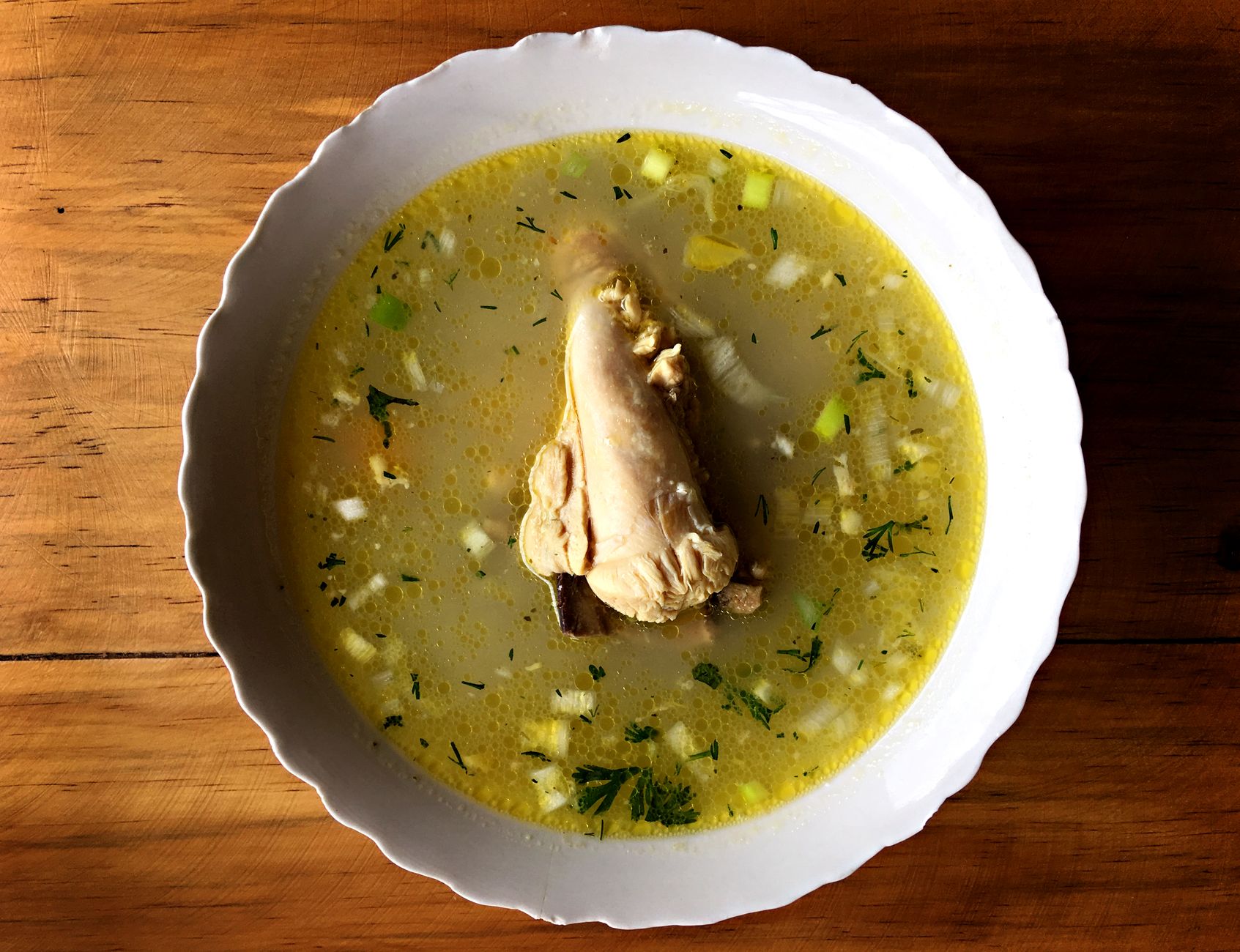
Chicken broth is a savory liquid made by simmering chicken, vegetables, and seasonings to extract flavor and nutrients. It serves as a versatile base for soups, stews, sauces, and gravies while also providing depth and richness to various dishes. Understanding what is in chicken broth can help you optimize its use in your cooking.
This article delves into the composition of chicken broth, its taste and texture, and the myriad ways it can be utilized in your kitchen. Whether you choose to make your own or purchase it pre-made, knowing its components will enhance your culinary repertoire.
What Is in Chicken Broth?
Chicken broth typically contains water, chicken meat (often including bones), vegetables, and seasonings. The simmering process releases flavors and nutrients, resulting in a comforting and flavorful liquid. Depending on the recipe, additional ingredients like herbs, spices, or other aromatics may also be included.
Key Ingredients in Chicken Broth
The primary ingredients in chicken broth contribute to its overall flavor profile and nutritional value. Here’s an in-depth look at what goes into chicken broth:
1. Chicken
The main ingredient is, of course, chicken. Whole chickens, chicken pieces, or even leftover carcasses can all be used to create rich broth. The meat imparts flavor, while the bones provide collagen, which adds a nice texture and mouthfeel.
2. Water
Water is the base of chicken broth. The quality of water used can affect the final flavor of the broth; using filtered water is often recommended for the best results.
3. Vegetables
Aromatics such as onions, carrots, celery, and garlic are commonly added for depth of flavor. These ingredients not only enhance taste but also add a range of nutrients to the broth.
4. Herbs and Spices
Fresh or dried herbs, such as thyme, parsley, bay leaves, and peppercorns, are often included to elevate the flavor. These aromatics lend depth and complexity that enhances the overall taste of the broth.
5. Salt
Salt is a crucial seasoning and is typically added during the cooking process. The amount of salt can be adjusted to taste, but it’s important to season appropriately to balance the flavors.
Flavor Profile of Chicken Broth
The flavor profile of chicken broth can be described as savory, rich, and slightly sweet, thanks to the combination of chicken and vegetables. The specific ingredients you choose can significantly affect the taste:
- Roasted Chicken vs. Raw Chicken: Roasting the chicken before adding it to the broth will yield a more complex, deep flavor, while raw chicken gives a cleaner, lighter taste.
- Vegetable Variety: Adding different vegetables can shift the flavor. For instance, leeks and parsnips can enhance sweetness, while garlic contributes a robust pungency.
- Herbs: Fresh herbs provide brighter flavors, while dried herbs tend to offer a more concentrated taste.
- Cooking Time: A longer simmer allows flavors to meld and deepen, while a shorter simmer results in a lighter broth.
Texture and Consistency of Chicken Broth
The texture of chicken broth is generally smooth and fluid. When made with bones, it may contain some gelatin, giving it a slightly thicker consistency when cooled. This gel-like quality indicates a well-made broth and a good amount of collagen extraction from the bones.
A homemade chicken broth will usually have small floating particles of vegetables and herbs. Straining the broth can provide a clearer liquid if desired, while leaving them can add additional flavor and nutrients.
How to Make Chicken Broth at Home
Making chicken broth at home is straightforward and budget-friendly. Here’s a simple recipe to create flavorful chicken broth:
Yield
About 8 cups of broth.
Preparation Time
20 minutes.
Cooking Time
4-6 hours for simmering.
Total Time
Approximately 4 hours and 20 minutes to 6 hours and 20 minutes.
Ingredients
- 1 whole chicken (about 3-4 pounds) or 2-3 pounds of chicken parts (thighs, wings, or carcasses)
- 1 large onion, quartered
- 2-3 carrots, chopped
- 2-3 celery stalks, chopped
- 4-6 cloves of garlic, smashed
- 2-3 sprigs of fresh parsley
- 1-2 sprigs of fresh thyme or 1 teaspoon dried thyme
- 1-2 bay leaves
- 10-12 cups of water (enough to cover the chicken)
- Salt and pepper to taste
Equipment
- Large stock pot or slow cooker
- Strainer or colander
- Soup ladle
- Storage containers
Method
- Place the chicken in a large stock pot and cover it with water.
- Add the quartered onion, chopped carrots, chopped celery, smashed garlic, parsley, thyme, bay leaves, and a generous pinch of salt and pepper.
- Bring the pot to a boil over high heat, skimming any foam that rises to the surface.
- Once boiling, reduce the heat to a low simmer. Cover and let it cook for 4-6 hours. The longer you allow it to simmer, the richer the flavor will be.
- During the last hour of cooking, taste the broth and adjust the seasoning as needed.
- After cooking, carefully remove the chicken and vegetables from the pot using tongs or a slotted spoon. Allow the chicken to cool, then shred any meat from the bones to save for other uses.
- Strain the remaining liquid through a fine-mesh strainer into another pot or large bowl. Allow it to cool, then store in the refrigerator or freeze in containers.
Common Mistakes When Making Chicken Broth
Here are some common pitfalls and how to avoid them:
- Using Low-Quality Ingredients: Use fresh, high-quality chicken and vegetables for the best flavor.
- Not Skimming The Foam: Skimming the foam helps create a clearer broth and removes impurities.
- Too Much Water: Maintain a proportionate amount of water to chicken for concentrated flavor; don’t drown the chicken.
- Not Cooking Long Enough: A longer simmer helps extract maximum flavor and nutrients.
- Over-Seasoning: It’s best to under-season initially, as you can always adjust later when using the broth in recipes.
Uses of Chicken Broth in the Kitchen
Chicken broth is incredibly versatile and can be used in numerous ways:
1. Soups and Stews
Chicken broth is an essential base for many soups and stews. It adds depth of flavor, nourishes the ingredients, and enhances the overall taste.
2. Cooking Grains
Instead of using water, cook rice, quinoa, or other grains in chicken broth for an added flavor boost.
3. Sauces and Gravies
Chicken broth can be used to deglaze pans, creating flavorful sauces and gravies that can elevate simple dishes.
4. Cooking Vegetables
Use chicken broth instead of water or oil to steam or sauté vegetables, enhancing their flavor.
5. Braising
When braising meats, chicken broth can replace water for a richer, more savory result.
Storage and Reheating Guidelines
Proper storage of chicken broth is crucial for retaining freshness and flavor:
Refrigeration
Cool the broth quickly by placing it in shallow containers. Store it in the refrigerator for up to 4-5 days.
Freezing
For longer storage, chicken broth can be frozen. Consider portioning it into ice cube trays for easy use later. Frozen broth can last up to 6 months when stored properly.
Reheating
When reheating, do so on the stove over medium heat until warmed through. If frozen, allow it to defrost in the refrigerator overnight or warm it in a saucepan on low heat.
Substitutes for Chicken Broth
If you’re out of chicken broth or seeking alternative options, consider these substitutes:
- Vegetable Broth: A suitable alternative for vegetarian dishes, vegetable broth contains similar flavor profiles.
- Beef Broth: This can be used in place of chicken broth for heartier recipes, but it will impart a different flavor.
- Water with Seasoning: Water combined with herbs, spices, and soy sauce can serve as a quick substitute.
- Bone Broth: If you have it on hand, bone broth provides a richer flavor and more nutrients.
Dietary Considerations with Chicken Broth
Chicken broth is generally gluten-free and can be made low-sodium by adjusting the salt level when preparing it. However, check any pre-packaged broths for ingredient lists that may include preservatives or gluten if you have specific dietary needs. Homemade broth is the best way to control what goes into it, ensuring it meets your dietary preferences.
Popular Variations of Chicken Broth
While traditional chicken broth is packed with flavor, various cooking styles have adapted it:
- Asian-Inspired Broth: Incorporate ginger, lemongrass, and soy sauce for a unique twist.
- Herb-Infused Broth: Experiment with herbs like rosemary or dill for different aromatic profiles.
- Spicy Chicken Broth: Adding chili peppers or spice blends can create a warming, zesty version.
Exploring the world of chicken broth leaves plenty of room for creativity. Customizing the broth based on your particular tastes and the dishes you plan to prepare can bring out the best in your cooking.
In summary, chicken broth is a flavorful, nutritious, and versatile ingredient that serves as a cornerstone in many kitchen recipes. With its essential components understood, you can confidently explore innovative ways to utilize it in your meals, whether soups, stews, or even sauces.
For further exploration of related recipes, check out our guide on chicken bouillon versus chicken broth for deeper insights, or try out our turkey broth recipe, which takes a similar approach with a festive twist!