
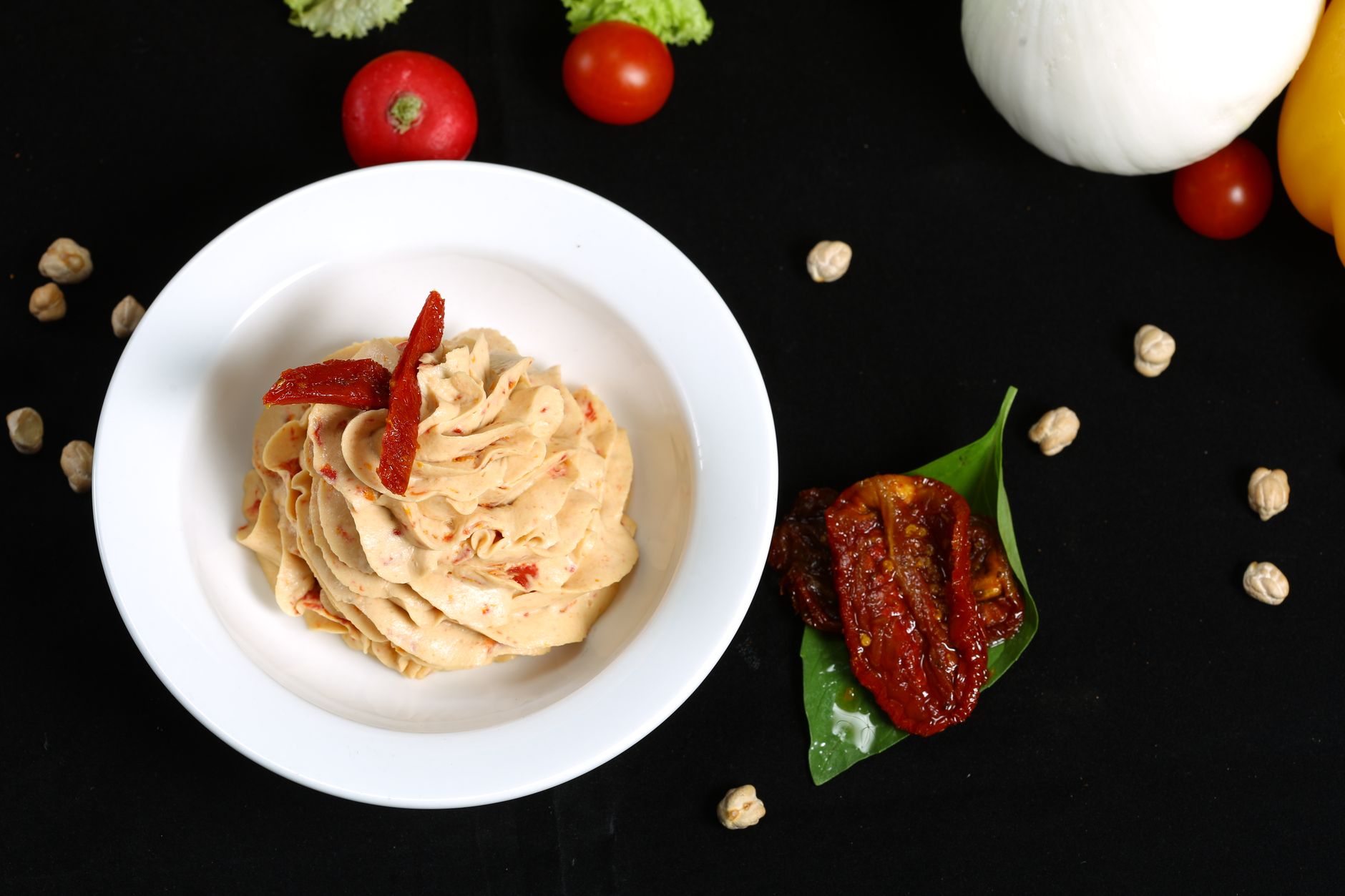
Sun-dried tomatoes are a flavorful addition to a variety of dishes, enhancing everything from salads and pastas to sandwiches. Their unique taste adds depth and character, making them a popular ingredient in many cuisines. Understanding how to properly store and determine the shelf life of sun-dried tomatoes is essential for maintaining their flavor and safety.
This guide will delve into how long sun-dried tomatoes last, explore ideal storage methods, discuss signs of spoilage, and provide tips for safe consumption. By following the advice here, you should feel confident using sun-dried tomatoes in your culinary creations.
How Long Do Sun Dried Tomatoes Last?
Sun-dried tomatoes can last anywhere from 6 months to 1 year when stored properly, whether they are packaged or homemade. The shelf life varies based on their storage conditions, the form they are in (dry versus oil-packed), and whether they are kept in a cool, dry place or refrigerated.
Types of Sun Dried Tomatoes
Sun-dried tomatoes come in different forms and packaging, which affects their shelf life:
- Dry sun-dried tomatoes: These are dehydrated and have no added oil or preservatives. They typically last about 6 to 12 months when stored in an airtight container in a cool, dry place.
- Oil-packed sun-dried tomatoes: These are preserved in oil, which helps extend their shelf life. They can last up to 1 year in the refrigerator once opened. Unopened, they may last even longer, depending on the best-by date on the packaging.
- Homemade sun-dried tomatoes: If you dry tomatoes at home, their shelf life is usually shorter. Properly dried and stored in an airtight container, they can last 6 to 12 months, but refrigeration is recommended to avoid spoilage.
Storage Tips for Sun Dried Tomatoes
To maximize the shelf life of sun-dried tomatoes, follow these storage guidelines:
Dry Sun Dried Tomatoes
- Cool, Dark Place: Store them in an airtight container, such as a glass jar, vacuum-sealed bag, or resealable plastic bag, in a cool, dark cupboard away from heat and moisture.
- Airtight Seal: Ensure the container is properly sealed to prevent air and moisture from compromising the quality of the tomatoes.
Oil-Packed Sun Dried Tomatoes
- Refrigeration: Once opened, store them in the refrigerator. Make sure the tomatoes are always submerged in the oil to maintain their quality.
- Use Clean Utensils: Always use a clean, dry utensil when removing the tomatoes to avoid introducing bacteria into the container.
Homemade Sun Dried Tomatoes
- Sealing: Ensure that homemade tomatoes are stored in an airtight container. You may want to add a layer of oil to cover them, which can extend their life.
- Refrigeration: Store in the fridge to maintain quality and prevent spoilage.
Signs of Spoilage
Knowing when sun-dried tomatoes have gone bad is crucial. Look for the following signs:
- Off Odor: If they emit a sour or rancid smell, they should not be consumed.
- Discoloration: Significant changes in color, such as dark brown or black spots, can indicate spoilage.
- Mold Growth: Any visible mold on the tomatoes or surrounding oil is a clear sign they should be discarded.
- Texture Changes: If dry tomatoes have absorbed too much moisture and become sticky or slimy, it’s best to throw them away.
How to Rehydrate Dry Sun Dried Tomatoes
Sun-dried tomatoes can become quite dry, but they can easily be rehydrated for use in various dishes. Here’s how to do it:
- Use Water: Place the dried tomatoes in a bowl and pour hot water over them. Let them soak for about 20 to 30 minutes until they are plump and tender.
- Add Flavor: For additional flavor, you can soak them in broth, wine, or vinegar.
- Drain and Pat Dry: After rehydrating, drain any excess liquid and pat the tomatoes dry with a paper towel before using them in recipes.
Incorporating Sun Dried Tomatoes into Your Cooking
Sun-dried tomatoes are versatile and can elevate various dishes. Here are some ideas on how to use them:
- Pasta Dishes: Toss rehydrated sun-dried tomatoes into creamy sauces or olive oil-based pasta for added flavor.
- Salads: Add them to salads for a chewy texture and burst of flavor.
- Sauces: Blend them into sauces for pizza or bruschetta to enhance the taste.
- Sandwiches and Wraps: Use as a flavorful topping to sandwiches or wraps.
Common Mistakes When Storing Sun Dried Tomatoes
To help you avoid potential pitfalls, here are some common mistakes to avoid when working with sun-dried tomatoes:
- Not Sealing Properly: Failing to store sun-dried tomatoes in airtight containers can lead to moisture damage and spoilage.
- Storing in Direct Light: Keeping them in a well-lit area can degrade their quality over time.
- Using Contaminated Utensils: Always use clean utensils when handling to avoid introducing bacteria.
Conclusion
Sun-dried tomatoes are a delicious and nutritious ingredient that can last up to a year with proper care. Understanding how to store them, recognizing signs of spoilage, and knowing how to use them in your cooking will help you enjoy their rich flavor safely. Don’t forget to check the conditions of your sun-dried tomatoes before incorporating them into your meals for the best experience.
If you’re interested in expanding your culinary knowledge, check out our articles on chia seeds and cottage cheese to learn more about storage and safety tips for these ingredients.