
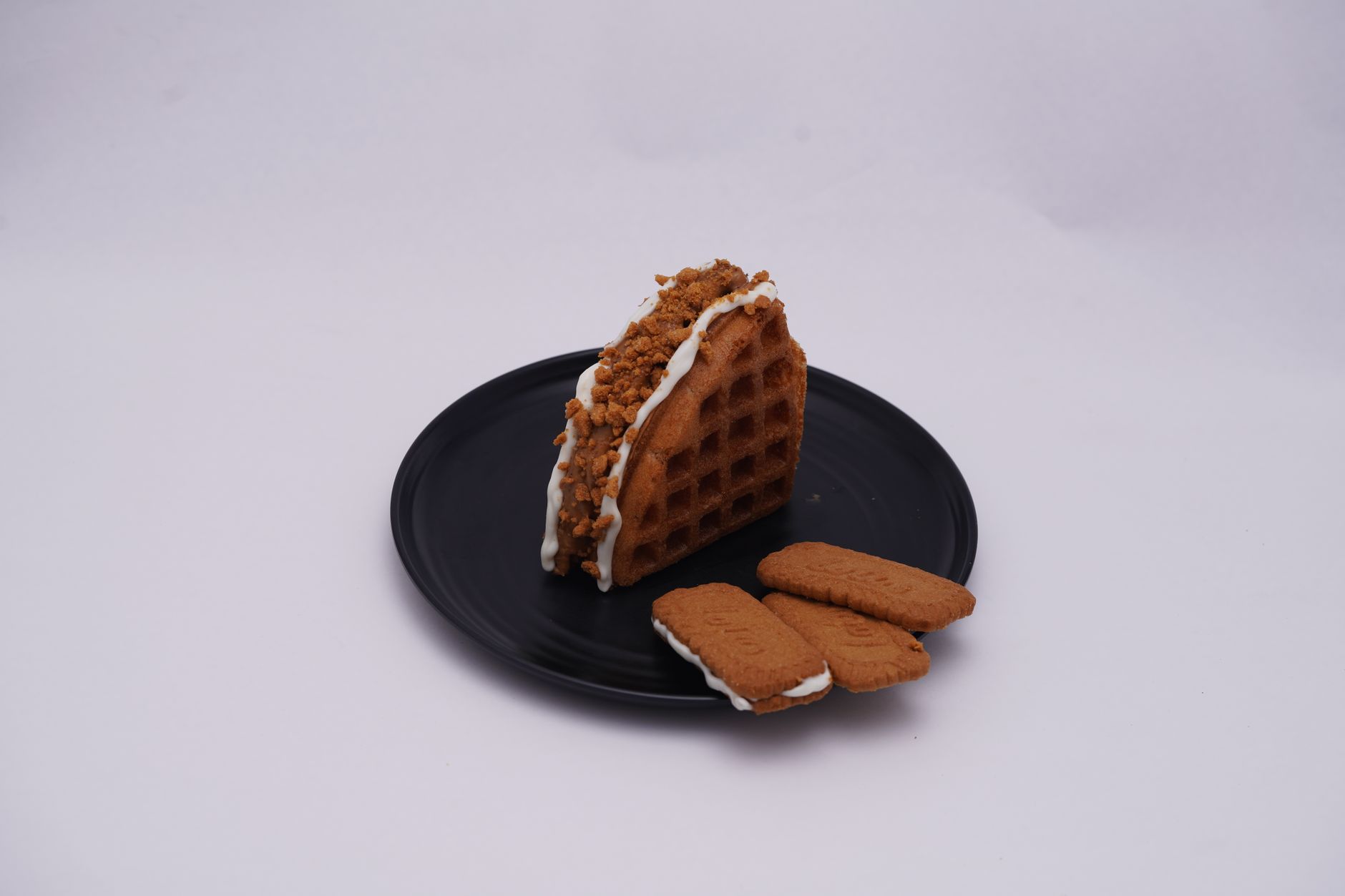
Biscoff cookies, known for their crunchy texture and rich caramel flavor, have captured the hearts of many snack enthusiasts around the world. As the popularity of these cookies rises, so does the curiosity about their ingredients, particularly concerning allergens like peanuts. Whether you’re a devoted fan or new to Biscoff, understanding what goes into these treats can help you make informed choices.
This article delves into the composition of Biscoff cookies, clarifying whether they contain peanuts and providing tips for enjoying them safely, especially for those with allergies or dietary restrictions.
Does Biscoff Have Peanuts?
No, Biscoff cookies do not contain peanuts as part of their primary ingredients. The ingredients typically include flour, sugar, vegetable oils, and various flavorings. However, cross-contamination can occur in facilities that process peanuts, so it’s essential for those with severe allergies to check packaging and allergen statements.
Understanding Biscoff Ingredients
To appreciate Biscoff cookies fully, it’s vital to understand what goes into making them. The standard ingredient list includes:
- Wheat flour
- Sugar
- Vegetable oils (palm and/or canola)
- Baking soda
- Salt
- Cinnamon
- Emulsifier (usually soy lecithin)
- Natural flavorings
Potential Allergen Alerts
While Biscoff cookies do not contain peanuts, it’s important to regard other allergens. The cookies contain wheat and might include traces of soy because of the emulsifiers. People with gluten sensitivities should also be cautious, as Biscoff cookies are not gluten-free.
The Biscoff Experience
Biscoff cookies are renowned for their unique flavor profile and crisp texture. Often enjoyed with coffee or tea, they deliver a sweet, slightly spiced taste, reminiscent of gingerbread or speculoos cookies. This makes them a delightful partner for various treats and recipes.
Flavor and Texture
The caramel-like taste comes from the way the sugar is caramelized during baking, contributing to the biscuit’s crunchiness and distinctive flavor. The cinnamon adds warmth, while the emulsifiers help achieve that perfect snap.
Serving Tips: How to Enjoy Biscoff Cookies
Here are some practical serving suggestions to elevate your Biscoff cookie experience:
- With Coffee or Tea: Biscoff cookies complement hot beverages exceptionally well. Dunking them slightly in your drink enhances their flavor and provides a satisfying texture contrast.
- Transform into a Dessert Base: Crushed Biscoff cookies can serve as a fantastic base for cheesecakes or pie crusts, creating a unique flavor that pairs beautifully with creamy fillings.
- Biscoff Spread: Biscoff cookies are not only available in their crunchy form but also as a spread. This deliciously sweet and creamy option can also be used in baking or as a topping for toast.
- Ice Cream Topping: Crumbled Biscoff cookies make an excellent topping for ice cream, adding an extra crunch that balances the creaminess of the dessert.
- In Recipes: Incorporate crushed Biscoff cookies into desserts like milkshakes, cupcakes, or even as a crust for no-bake desserts.
Popular Biscoff Recipes
If you’re inspired to use Biscoff cookies in your baking, here are a couple of popular recipes you might consider trying:
Biscoff Banana Pudding
This delectable dessert blends the flavors of banana and Biscoff for a rich treat. Below are the ingredients and steps:
- Bananas: 4 medium, sliced
- Vanilla pudding mix: 2 packs (3.4 oz each)
- Milk: 4 cups
- Biscoff cookies: 1 package (about 30 cookies)
- Heavy cream: 2 cups (whipped)
- In a bowl, whisk together the pudding mix and milk until smooth. Let it sit until it thickens.
- In a trifle dish or glass bowl, layer the banana slices, Biscoff cookies, pudding, and whipped cream.
- Repeat the layers until all ingredients are used, finishing with whipped cream on the top.
- Chill for at least two hours before serving to let the flavors meld.
Biscoff Peanut Butter Fudge
This recipe is perfect for those who want to incorporate Biscoff cookies with a nutty flavor. Note: for those with peanut allergies, this recipe can be adapted by using sunflower seed butter instead of peanut butter.
- Biscoff cookies: 1 package, crushed
- Peanut butter: 1 cup (or sunflower seed butter)
- Sweetened condensed milk: 1 can (14 oz)
- Vanilla extract: 1 tsp
- Chocolate chips: 1 cup (optional topping)
- In a medium saucepan, combine peanut butter and sweetened condensed milk over medium heat, stirring until melted and smooth.
- Remove from heat, add crushed Biscoff cookies, and mix until well combined.
- Pour the mixture into a lined square baking pan, spreading it evenly.
- If desired, sprinkle chocolate chips on top and press them in slightly.
- Refrigerate until firm, about 2 hours, then cut into squares and serve.
Common Mistakes and Troubleshooting
When enjoying or baking with Biscoff cookies, here are some tips to avoid common pitfalls:
- Misreading Allergens: Always read the label. Even without peanuts, cross-contamination can happen during production.
- Storage Mistakes: Keep Biscoff cookies in an airtight container to maintain their freshness. Storing them in a damp area can lead to sogginess.
- Overbaking Recipes: Biscoff recipes often require careful monitoring to prevent overbaking, leading to a dryer texture. Set a timer and check early!
Storage and Shelf Life
Biscoff cookies should be stored in a cool, dry place for optimal freshness. When kept in an airtight container, they typically last about 6 to 9 months. However, certain baked goods using Biscoff may have different shelf lives:
- Baked goods with Biscoff: Store them in the refrigerator if they contain dairy or fruit. They are best enjoyed within a week.
- Biscoff Spread: Unopened jars can last up to a year, while opened jars should ideally be consumed within 6 months if kept refrigerated.
Exploring Alternatives: Dietary Preferences and Substitutions
For those with dietary restrictions or preferences, here are some alternatives and substitutions you might consider:
- Gluten-Free Option: Look for gluten-free speculoos cookies or recipes designed for gluten-free substitutes.
- Nut-Free: If avoiding nuts entirely, use sunflower seed butter instead of peanut butter in recipes.
- Vegan Options: Plant-based spreads and non-dairy milk can replace animal products in recipes while maintaining sweetness and flavor.
Final Thoughts
Biscoff cookies are a delightful treat that can be enjoyed in various ways. Whether alone or incorporated into recipes, their caramel flavor and crunch make them a favorite among many. Remember to always check allergen information, especially regarding peanuts, to ensure a safe snacking experience.
To elevate your dessert game, consider trying Biscoff banana pudding or peanut butter fudge recipes. Both options are inspired by Biscoff’s unique flavor and are perfect for gatherings or a sweet treat at home.