
Perfectly cooked sushi rice is the heart of any sushi dish, creating that delightful sticky texture that holds everything together. This Sushi Rice Recipe Stovetop is a straightforward way to achieve that authentic taste right in your kitchen, without needing fancy equipment. The rice turns out fluffy yet sticky, making it ideal for rolls or nigiri. Plus, it’s incredibly versatile for other dishes too, like poke bowls or rice salads. Let’s get started with the ingredients!
Why You’ll Love This Recipe
This sushi rice recipe is a must-try for any sushi lover.
- Simple stovetop method without a rice cooker.
- Achieves the perfect balance of flavor and texture.
- Uses just a few ingredients for maximum impact.
- Great for sushi, but also delicious in other dishes.
- Customizable with seasonings to suit your taste.
My Experience Making This Recipe
I still remember the first time I made sushi rice at home. The aroma of the rice cooking filled my kitchen, bringing back memories of my favorite sushi spot.
Once I mixed in the rice vinegar, I was amazed at how such a simple addition transformed the flavor. It was a hit at dinner, and now it’s a staple in my home cooking.
Recipe Overview
- Recipe Name: Sushi Rice Recipe Stovetop
- Servings: 4
- Prep Time: 10 minutes
- Cook Time: 20 minutes
- Total Time: 30 minutes
- Course: Main Course
- Cuisine: Japanese
- Calories per Serving: 210
Equipment You Will Need
- Medium saucepan with a lid
- Measuring cups and spoons
- Wooden spoon or rice paddle
- Fine mesh strainer
- Large bowl (optional, for cooling rice)
Ingredients for Sushi Rice Recipe Stovetop
- 1 cup sushi rice
- 1 1/4 cups water
- 2 tablespoons rice vinegar
- 1 tablespoon sugar
- 1/2 teaspoon salt
Ingredient Notes and Substitutions
- Sushi rice: This short-grain rice is sticky when cooked, perfect for sushi. You can substitute with short-grain white rice but expect a different texture.
- Rice vinegar: It adds a tangy flavor essential for sushi rice. Apple cider vinegar can be used as a substitute, though the flavor will differ slightly.
- Sugar: It balances the vinegar’s acidity. You can swap this with honey or agave syrup for a different sweetness.
- Salt: Enhances overall flavor. Sea salt can be used instead of table salt for a more natural taste.
How to Make Sushi Rice Recipe Stovetop
Step 1: Rinse the Rice
Begin by rinsing the sushi rice under cold water until the water runs clear. This removes excess starch, preventing the rice from becoming gummy.
Step 2: Soak the Rice
After rinsing, soak the rice in water for about 30 minutes. Soaking helps the grains absorb water evenly and promotes better cooking.
Step 3: Drain the Rice
Once soaked, drain the rice using a fine mesh strainer. This step is crucial to eliminate excess water that can lead to mushy rice.
Step 4: Combine Rice and Water
Place the drained rice in a medium saucepan and add 1 1/4 cups of water. The exact water-to-rice ratio is key for perfect sushi rice.
Step 5: Bring to a Boil
Cover the saucepan and bring the mixture to a boil over medium-high heat. Once boiling, this seals in steam which cooks the rice.
Step 6: Simmer the Rice
Reduce the heat to low and let the rice simmer for 18-20 minutes without lifting the lid. This gentle heat ensures the rice cooks evenly and absorbs all the water.
Step 7: Let the Rice Rest
After cooking, remove the saucepan from heat and let it sit, covered, for another 10 minutes. This resting time allows the grains to firm up and become sticky.
Step 8: Season the Rice
Transfer the rice to a large bowl and gently fold in the mixture of rice vinegar, sugar, and salt. This adds flavor and gives the rice that signature sushi taste.
Pro Tip: Allow the seasoned rice to cool to room temperature before using it for sushi to maintain the perfect texture.
Tips for the Best Sushi Rice
- Use high-quality sushi rice for the best results. Cheap rice may not yield the same texture.
- Don’t skip the soaking step; it really makes a difference in the final product.
- Always use a wooden spoon or rice paddle to avoid breaking the grains.
- Keep the lid on while cooking to trap steam; lifting it can disrupt the cooking process.
- Season the rice while it’s still warm to help absorb the vinegar mixture better.
Common Mistakes to Avoid
- Not rinsing the rice properly can lead to overly sticky rice. Always rinse until the water is clear.
- Using too much water can make the rice mushy. Stick to the recommended ratio.
- Skipping the resting step can leave the rice too wet. Let it sit covered for best results.
- Overmixing the rice after seasoning can break the grains. Gently fold to keep it intact.
Serving Suggestions
Sushi rice is incredibly versatile. Serve it alongside your favorite sushi rolls or as a base for poke bowls.
- Pair with fresh sashimi for a delightful contrast.
- Top with sliced avocado and sesame seeds for a simple rice bowl.
- Use it as a filling for onigiri or rice balls.
- Mix into a rice salad with vegetables and a tangy dressing.
Variations to Try
- For a sweet twist, add a bit of coconut milk to the cooking water.
- Mix in chopped scallions or nori strips for extra flavor.
- Use brown rice instead of sushi rice for a healthier option; just adjust cooking time.
- Add toasted sesame oil for a nutty flavor boost.
Dietary Adaptations
- Gluten-free: This recipe is naturally gluten-free; ensure all your ingredients are certified.
- Dairy-free: The recipe is dairy-free as written.
- Vegan/Vegetarian: Perfect for both diets; no animal products here.
- Low-carb/keto: Substitute rice with cauliflower rice for a low-carb option.
Storage and Reheating
Refrigerator
Store leftover sushi rice in an airtight container in the fridge for up to 3 days.
- Cool the rice completely before storing to prevent moisture buildup.
- Reheat with a splash of water to restore some moisture.
Freezer
Sushi rice can be frozen for up to a month.
- Portion it into small containers for easy thawing.
- Label containers with the date for reference.
Reheating
Reheat sushi rice in the microwave or on the stovetop.
- Add a little water and cover to keep it moist.
- Heat until warm, stirring occasionally to ensure even heating.
Nutrition Information
| Nutrient | Amount |
|---|---|
| Calories | 210 |
| Total Fat | 0.5g |
| Saturated Fat | 0g |
| Carbohydrates | 46g |
| Fiber | 1g |
| Sugar | 1g |
| Protein | 4g |
| Sodium | 280mg |
| Cholesterol | 0mg |
This nutrition information is an estimate and may vary based on specific ingredients used.
Frequently Asked Questions
Can I make sushi rice ahead of time?
Yes, you can make sushi rice a day in advance. Just store it in the refrigerator and reheat before using.
What can I substitute for sushi rice?
You can use short-grain white rice as an alternative, though it may not have the same sticky texture.
How do I store leftover sushi rice?
Store it in an airtight container in the fridge for up to 3 days or freeze it for longer storage.
Why is my sushi rice too dry?
This can happen if you didn’t use enough water during cooking. Always follow the water-to-rice ratio for best results.
Can I use this recipe for brown rice?
Yes, but brown rice requires a different cooking time and more water. Adjust accordingly for best results.
Final Thoughts
Making sushi rice at home is easier than you might think. With just a few simple ingredients and steps, you can enjoy homemade sushi that rivals your favorite restaurant.
So, grab your ingredients and get ready to impress your family and friends with this delicious sushi rice. And if you’re looking for more delicious rice recipes, check out my Arborio Rice Recipe or my Seasoned Rice Recipe.
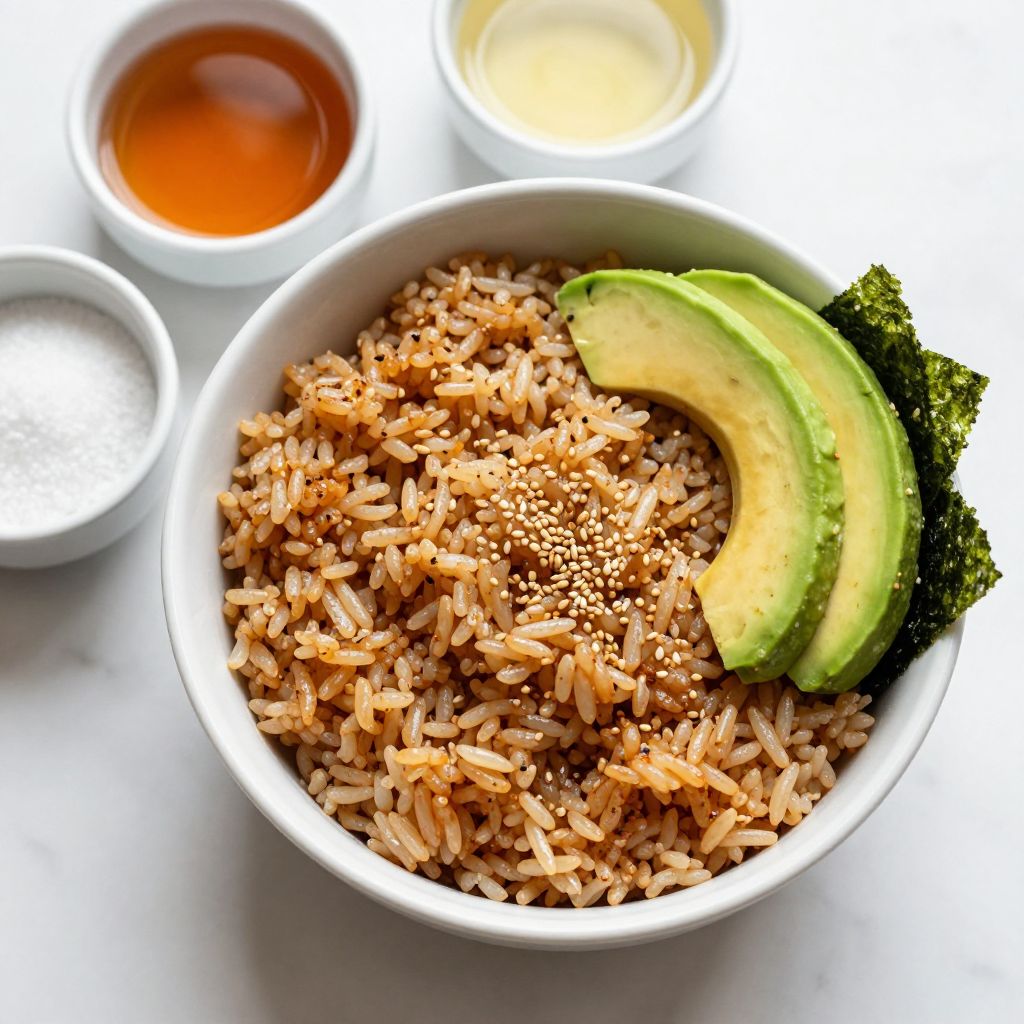
Sushi Rice Recipe Stovetop
Ingredients
Equipment
Method
- Rinse the sushi rice under cold water until the water runs clear.
- Soak the rice in water for about 30 minutes.
- Drain the rice using a fine mesh strainer.
- Place the drained rice in a medium saucepan and add 1 1/4 cups of water.
- Cover the saucepan and bring the mixture to a boil over medium-high heat.
- Reduce the heat to low and let the rice simmer for 18-20 minutes without lifting the lid.
- Remove the saucepan from heat and let it sit, covered, for another 10 minutes.
- Transfer the rice to a large bowl and gently fold in the rice vinegar, sugar, and salt mixture.