
Chipotle Mexican Grill is a popular fast-casual dining option famed for its customizable burritos, tacos, and bowl meals that focus on fresh ingredients. As more consumers embrace quick, flavorful meals, many have wondered: Is Chipotle franchised? This article will explore the operational model of Chipotle, including menu offerings, ingredient sourcing, and sizes available at their restaurants.
Understanding whether Chipotle is franchised is crucial for aspiring restaurateurs and loyal customers alike. This conversation involves delving into the company’s growth model, its approach to quality and consistency, and the impact on the dining experience. Let’s explore these aspects in more detail.
Is Chipotle Franchised?
No, Chipotle does not operate on a franchise model. Instead, it adheres to a corporate-owned approach. This operational strategy allows Chipotle to maintain tighter control over the quality of its ingredients, food preparation, and overall customer experience.
The company primarily focuses on expanding through company-owned locations. This model helps ensure that every Chipotle restaurant upholds the brand’s standards for food safety, flavor, and freshness. By avoiding franchising, Chipotle can directly influence restaurant operations, employee training, and customer service.
Menu Options at Chipotle
Chipotle is known for its build-your-own meal concept, providing a range of nutritious options. The customizable nature of the menu plays a significant role in its popularity, allowing diners to tailor meals to their preferences.
Burritos and Bowls
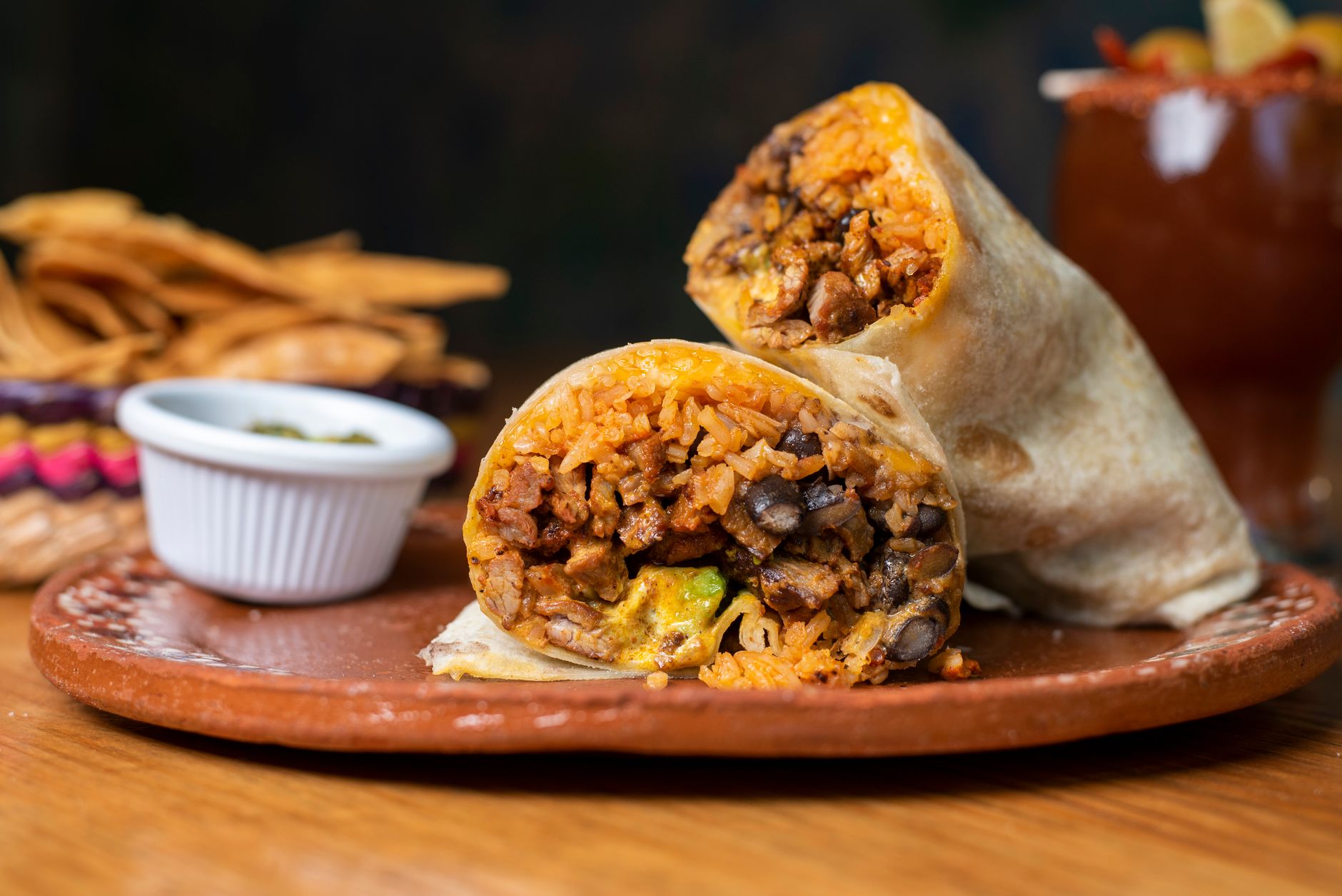
The signature burrito offers various components that you can mix and match:
- Flour or whole wheat tortilla
- Protein options (chicken, pork, beef, tofu)
- Rice (white, brown, or cilantro-lime)
- Beans (black or pinto)
- Salsas and sauces (fresh tomato salsa, corn salsa, queso, guacamole)
- Lettuce and other toppings
Bowls are a popular alternative for those looking to cut carbs or enjoy a lighter meal. The components of a bowl are identical to burritos but served without the tortilla.
Tacos and Salad
For those seeking a different experience, tacos are available in soft or crispy shells. Similar to the burrito and bowl, customers can choose between proteins and toppings. The salad option consists of lettuce topped with your favorite protein, beans, and all the salsas, finished with a drizzle of dressing.
Kid’s Menu
Chipotle also offers a kid’s menu featuring smaller portions of their classic items. This provides a more accessible option for younger diners without compromising on flavors, allowing kids to build their tacos or burritos.
Understanding Ingredients at Chipotle
Central to Chipotle’s success is a commitment to using high-quality ingredients. This philosophy begins with sourcing meats, vegetables, and grains that meet rigorous standards.
Meat Sourcing
Chipotle prides itself on using responsibly sourced meats. Each protein option adheres to the following practices:
- No antibiotics or added hormones
- Humanely raised animals
- Organic and pasture-raised options where possible
Customers may choose from a range of proteins including:
- Grilled chicken, marinated with adobo spices
- Barbacoa, a flavorful shredded beef option
- Carnitas, slow-cooked pork pulled to create tenderness
- Steak, seasoned and grilled for a robust flavor
- sofritas, a tofu option spiced with chipotle and garlic
Vegetables and Salsas
Chipotle also highlights fresh produce in its dishes. Ingredients are locally sourced where feasible, promoting freshness. The salsas crafted at Chipotle add layers of flavor and can be chosen based on spice preference:
- Pico de gallo – fresh tomato salsa
- Corn salsa – sweet and tangy with lime
- Tomatillo red – a smoky salsa for added heat
- Tomatillo green – a milder option with bright flavors
Rice and Beans
Rice and beans form the foundation of many Chipotle meals. Diners can choose between delicious options:
- Cilantro-lime rice offers a zesty base for burritos and bowls
- Black beans and pinto beans add protein and fiber to meals
Sizes and Portion Control
Understanding the portion sizes available at Chipotle can help you make informed choices when ordering. The sizes of each meal are designed to satisfy appetites without waste.
Typical Serving Sizes
| Menu Item | Serving Size |
|---|---|
| Burrito | Approximately 1 pound (16 oz) |
| Bowl | Approximately 10-12 oz |
| Taco | Approximately 6 oz each |
| Kid’s Meal | Half the size of regular items |
The serving sizes allow customers to choose based on their hunger level, with options for small meals or larger portions for those needing more sustenance.
Chipotle’s Business Model
The corporate-owned model suits Chipotle’s brand well. By not franchising, the chain can ensure more robust training programs and consistent culinary standards, which are paramount in the restaurant industry.
Quality Control
Quality control intertwines with service and customer satisfaction. Chipotle maintains a distinct customer experience that is crucial for brand loyalty. This emphasis on quality manifests in:
- Consistent ingredient quality and preparation
- Thorough staff training to ensure service excellence
- Greater flexibility to adapt to customer feedback and evolving preferences
Expansion Strategy
Chipotle employs a strategic growth plan that focuses on expanding into new markets without compromising existing operations. This method has allowed it to become a player in the fast-casual dining space while preserving the integrity of its brand identity.
Common Misconceptions About Chipotle
Misunderstandings about Chipotle often swirl around issues like sourcing practices and food safety. Here, we clarify some of these common misconceptions.
Is the Food Processed?
A frequent misconception is that Chipotle’s food contains preservatives or is heavily processed. However, the chain emphasizes whole ingredients, minimizing the use of preservatives in favor of fresh flavors. Diners who prioritize healthy eating can find satisfaction in Chipotle’s array of fresh options.
Are All Items Spicy?
Another myth is that all Chipotle items are spicy. While several sauces carry heat, the diversity of toppings and ingredients means that diners can enjoy flavorful meals without overwhelming spice levels. Tasting notes on every ingredient allow for tailored heat levels.
Customer Feedback and Adaptations
Through its history, Chipotle has actively engaged with customer feedback, shaping its menu and offerings to meet consumer demands.
Menu Additions
Over the years, Chipotle has added new ingredients and offerings to its menu based on trends and customer preferences. Examples include:
- Cauliflower rice for a low-carb option
- Seasonal salsas featuring fresh local produce
- New protein choices reflecting changing dietary needs
Dietary Preferences
Chipotle has recognized the growing demand for vegan and gluten-free options, expanding its ingredients to accommodate diverse dietary restrictions. This responsiveness enhances the appeal of Chipotle to a broader audience, catering to various customer preferences.
Conclusion
Chipotle’s non-franchise model underscores its commitment to quality, consistency, and customer satisfaction. The menu’s customizable options, fresh ingredients, and substantial portion sizes make it a popular choice for many. Understanding the restaurant’s operational strategy and offerings can enhance the dining experience, ensuring that customers choose meals that fit their taste and dietary needs.
To try cooking at home, explore Chipotle-inspired recipes such as Chipotle Aioli or create your own version of Chipotle Queso for a delightful culinary experience.