
Picture this: a sizzling stir-fry, colorful veggies, and flavorful protein all coming together, waiting for that last touch to make them sing. This Asian Sauce Recipe is the magic wand you need, transforming simple ingredients into something extraordinary with a mix of savory, sweet, and umami flavors.
This sauce is not just quick and easy to whip up, but it’s also incredibly versatile, making it a must-have in your kitchen. Whether you’re drizzling it over grilled chicken or tossing it with noodles, it’s sure to impress.
Why You’ll Love This Recipe
This sauce is a staple that you will want to keep on hand at all times.
- Quick to prepare with minimal ingredients.
- Perfect balance of sweet and savory.
- Versatile for various dishes.
- Great for meal prep and storing.
- Customizable to suit your taste.
My Experience Making This Recipe
The first time I made this sauce, I couldn’t believe how quickly it came together. In just a few minutes, I had a vibrant, flavorful addition to my dinner that made everyone ask for the recipe.
Each time I whip it up, the aroma fills my kitchen, and I can’t help but smile knowing how much flavor I’m about to add to my meal. It’s a regular on my dinner table and has even become a family favorite.
Recipe Overview
- Recipe Name: Asian Sauce
- Servings: 4
- Prep Time: 5 minutes
- Cook Time: 5 minutes
- Total Time: 10 minutes
- Course: Sauce
- Cuisine: Asian
- Calories per Serving: 80
Equipment You Will Need
- Measuring cups and spoons
- Mixing bowl
- Whisk or spoon for stirring
- Small saucepan
- Storage container
Ingredients for Asian Sauce
- 1/2 cup soy sauce
- 1/4 cup honey or maple syrup
- 1/4 cup rice vinegar
- 2 tablespoons sesame oil
- 2 cloves garlic, minced
- 1 teaspoon grated ginger
- 1 tablespoon cornstarch (optional, for thickening)
- 1 tablespoon water (if using cornstarch)
Ingredient Notes and Substitutions
- Soy Sauce: This provides the salty base. You can substitute with tamari for a gluten-free option.
- Honey or Maple Syrup: Adds sweetness. Agave nectar works well as a vegan alternative.
- Rice Vinegar: Gives a tangy flavor. Apple cider vinegar can be used as a substitute.
- Sesame Oil: Adds nuttiness. Use olive oil if you prefer a different flavor.
- Garlic and Ginger: Essential for flavor. You can use garlic powder and ground ginger in a pinch.
How to Make Asian Sauce
Step 1: Gather Your Ingredients
Start by measuring out all the ingredients. Having everything ready makes the process smoother.
Step 2: Mix the Sauce
In a mixing bowl, combine the soy sauce, honey, rice vinegar, and sesame oil. Whisk until well blended.
Step 3: Add Garlic and Ginger
Add the minced garlic and grated ginger to the mixture. This step infuses the sauce with aromatic flavors.
Step 4: Prepare for Thickening (Optional)
If you want a thicker sauce, mix the cornstarch and water in a small bowl until smooth. This will help achieve the desired consistency.
Step 5: Heat the Sauce
Pour the sauce mixture into a small saucepan. Heat over medium heat, stirring occasionally.
Step 6: Thicken the Sauce
If using cornstarch, add it to the saucepan once the sauce starts to simmer. Stir continuously until the sauce thickens, about 2-3 minutes.
Step 7: Taste and Adjust
Give the sauce a taste and adjust the sweetness or saltiness if needed. This is your chance to make it perfect for your palate.
Step 8: Cool and Store
Remove the sauce from heat and let it cool. Store in an airtight container in the refrigerator for up to a week.
Pro Tip: Always taste your sauce before serving to adjust flavors to your preference.
Tips for the Best Asian Sauce
- Use fresh garlic and ginger for the best flavor.
- Adjust sweetness by varying the amount of honey or syrup.
- Experiment with adding chili flakes for heat.
- Double the recipe for larger gatherings; it keeps well.
- For a twist, add a splash of citrus juice like lime or lemon.
Common Mistakes to Avoid
- Using low-quality soy sauce can lead to a bland taste.
- Forgetting to whisk the cornstarch can create lumps in the sauce.
- Not tasting before serving may result in an unbalanced flavor.
- Overheating can burn the garlic, leading to bitterness.
Serving Suggestions
This sauce pairs beautifully with many dishes, elevating flavors effortlessly.
- Drizzle over grilled chicken or tofu.
- Use as a dipping sauce for spring rolls.
- Stir into fried rice or noodles for added depth.
- Brush on vegetables before roasting.
Variations to Try
- Add peanut butter for a creamy, nutty version.
- Incorporate hoisin sauce for a sweet twist.
- Mix in fresh herbs like cilantro or green onions for brightness.
- Substitute coconut aminos for a soy-free alternative.
Dietary Adaptations
- Gluten-Free: Use tamari instead of soy sauce.
- Dairy-Free: This recipe is naturally dairy-free.
- Vegan: Substitute honey with maple syrup.
- Low-Carb/Keto: Use a sugar substitute like erythritol for sweetness.
Storage and Reheating
Refrigerator
Store the sauce in an airtight container in the refrigerator. It will last up to one week.
- Ensure it is completely cool before sealing.
Freezer
You can freeze the sauce for longer storage. It will keep for up to three months.
- Use ice cube trays for single-serving portions.
Reheating
Thaw in the refrigerator overnight before reheating. Warm it gently on the stove over low heat.
- Stir occasionally to prevent sticking.
Nutrition Information
| Nutrient | Amount |
|---|---|
| Calories | 80 |
| Total Fat | 2g |
| Saturated Fat | 0.5g |
| Carbohydrates | 14g |
| Fiber | 0g |
| Sugar | 10g |
| Protein | 1g |
| Sodium | 800mg |
| Cholesterol | 0mg |
This information is based on a standard recipe and can vary based on specific ingredients used.
Frequently Asked Questions
Can I make this sauce ahead of time?
Absolutely! This sauce can be made a few days in advance and stored in the refrigerator.
What can I substitute for soy sauce?
Tamari is a great gluten-free option, while coconut aminos is soy-free.
How can I thicken the sauce?
You can add cornstarch mixed with water or simmer it longer to reduce and thicken naturally.
Can I freeze this sauce?
Yes, it freezes well and can be stored for up to three months.
What dishes pair well with this sauce?
This sauce is great with stir-fries, grilled meats, and as a dipping sauce for appetizers.
Final Thoughts
With its delightful blend of flavors, this Asian Sauce Recipe is sure to become a kitchen favorite. It’s a simple way to add a dash of excitement to your meals.
So, grab your ingredients and get cooking; you won’t regret it! For more delicious sauce recipes, check out my Kung Pao Sauce Recipe or my Hibachi Sauce Recipe.
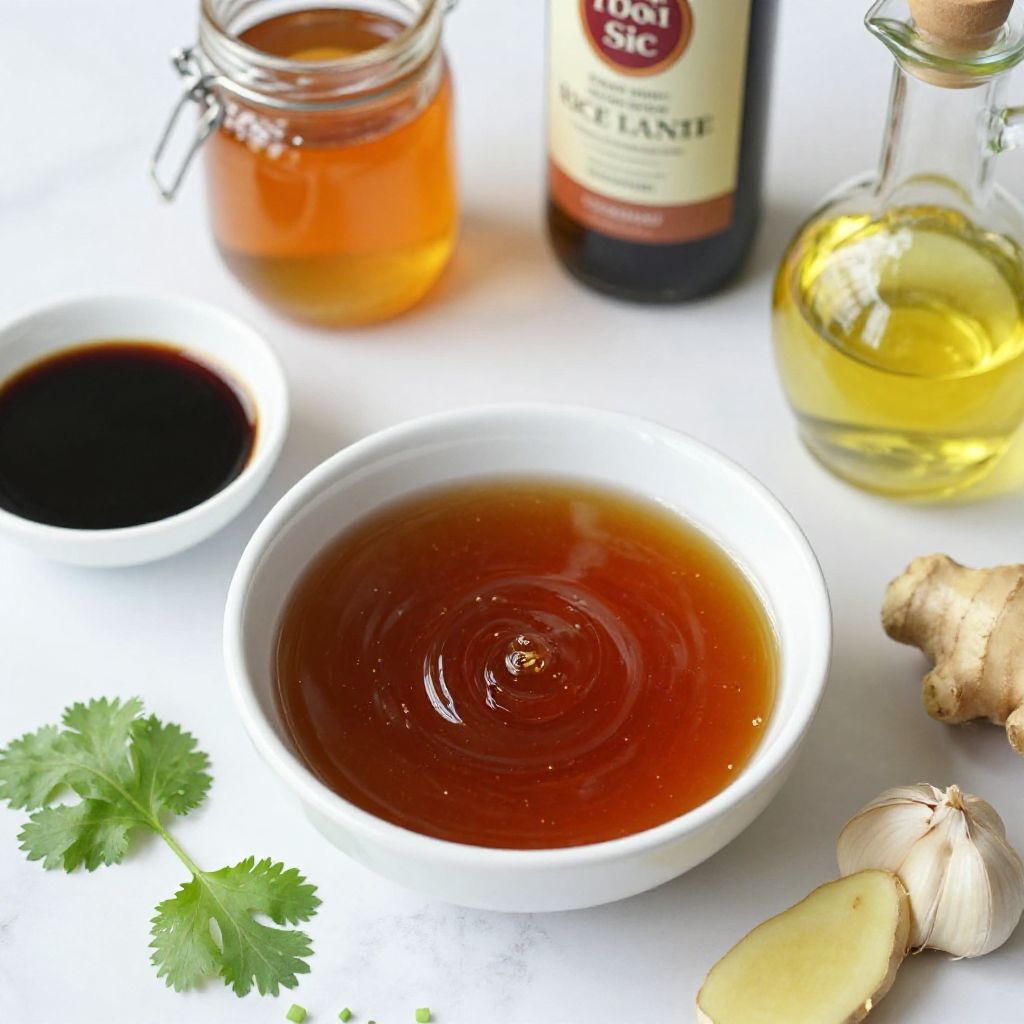
Asian Sauce
Ingredients
Equipment
Method
- Start by measuring out all the ingredients.
- In a mixing bowl, combine the soy sauce, honey, rice vinegar, and sesame oil. Whisk until well blended.
- Add the minced garlic and grated ginger to the mixture.
- If you want a thicker sauce, mix the cornstarch and water in a small bowl until smooth.
- Pour the sauce mixture into a small saucepan. Heat over medium heat, stirring occasionally.
- If using cornstarch, add it to the saucepan once the sauce starts to simmer. Stir continuously until the sauce thickens, about 2-3 minutes.
- Give the sauce a taste and adjust the sweetness or saltiness if needed.
- Remove the sauce from heat and let it cool. Store in an airtight container in the refrigerator for up to a week.