
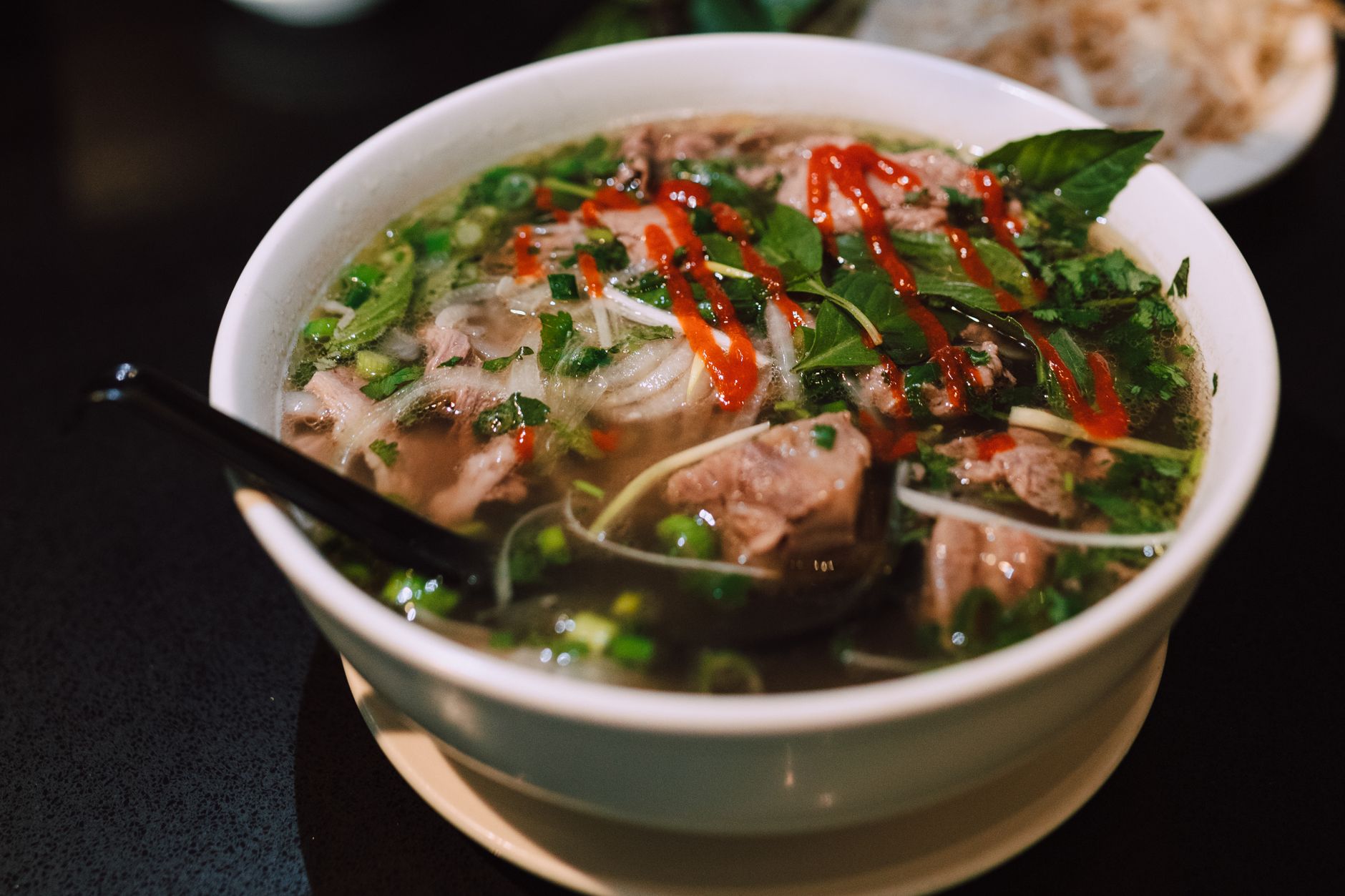
Pho is a beloved Vietnamese noodle soup that has captured the hearts of food enthusiasts around the world. With its rich broth, aromatic herbs, and variety of toppings, pho delivers a unique sensory experience. Understanding the flavor profile, texture, and ideal serving options can enhance your enjoyment of this classic dish.
This article explores what pho tastes like, breaking down the essential components that define its distinct flavor and texture. We’ll also provide serving ideas and suggestions for those wishing to recreate or enjoy pho at home.
What Does Pho Taste Like?
The taste of pho is a harmonious blend of different flavors, primarily savory, aromatic, and herbal. The broth, usually made from beef or chicken, is rich and flavorful, infused with spices like star anise, cinnamon, cloves, and ginger. This creates a warm, slightly sweet base that is balanced by the saltiness of soy sauce or fish sauce. The addition of fresh herbs, lime, and chili peppers elevates the complexity of flavors to create an unforgettable dish.
Understanding Pho’s Flavor and Aroma
The flavor profile of pho can be dissected into several key elements, which interact to create its signature taste:
- Broth: The heart of pho is its broth, which is typically clear and has a deep, savory taste. A well-prepared broth can be sweet, salty, and umami-rich. It should have a light, yet robust essence, often enhanced with spices.
- Herbs and Aromatics: Fresh herbs such as basil, cilantro, and mint add a refreshing aroma, while ingredients like onions and ginger contribute extra layers of flavor. The herbs are often added to the bowl just before serving, ensuring they retain their vibrant qualities.
- Noodles: Pho noodles are typically made from rice and have a chewy yet tender texture. They absorb the broth’s flavors well, adding their unique starchiness to each bite.
- Toppings: Pho is often accompanied by a variety of toppings like bean sprouts, lime wedges, sliced chilies, and green onions. These bright elements offer contrasting flavors and textures, enhancing the overall experience.
The Role of Texture in Pho
Texture plays a significant role in the enjoyment of pho. The contrast between the aromatic broth, slippery noodles, and fresh crisp toppings creates a satisfying mouthfeel. Here are some elements to consider:
- Broth Consistency: A good pho broth should be clear yet rich, with a silky texture that glides easily over the palate.
- Noodle Texture: Pho noodles should be cooked al dente; they should have some bite but also be soft enough to soak in the broth.
- Toppings and Additions: Crispier elements like bean sprouts or sliced jalapeños add crunch, while herbs provide a fresh contrast, contributing to the overall texture.
Common Ingredients in Pho
To fully appreciate what pho tastes like, recognizing the common ingredients used is essential. Here’s a list of typical components that serve as the backbone of traditional pho:
Broth Ingredients
- Beef bones (typically marrow bones or brisket) or chicken bones
- Water (to create the broth)
- Spices (star anise, cloves, cinnamon stick, coriander seeds, cardamom, and ginger)
- Onions (usually charred for depth of flavor)
- Fish sauce (for saltiness and umami)
- Salt and sugar (for seasoning balance)
Noodle and Toppings Ingredients
- Pho noodles (flat rice noodles, typically 14-16 mm wide)
- Protein (thinly sliced beef types such as sirloin, flank, or brisket; or chicken)
- Fresh herbs (Thai basil, mint, cilantro)
- Vegetables (bean sprouts, lime wedges, sliced jalapeños, green onions)
Variation in Pho Flavors
Different regions in Vietnam boast variations of pho, each with unique flavor profiles:
Pho Bo (Beef Pho)
Pho Bo is perhaps the most popular version outside of Vietnam. It features a robust beef broth, often boiled for hours to enrich the flavor. The meat options vary, and the broth has deeper umami characteristics due to the slower cooking process and the use of richer bone cuts.
Pho Ga (Chicken Pho)
Pho Ga offers a lighter alternative, using chicken to create a delicate broth. The flavors are milder, making it a comforting choice for those seeking a simpler palate. This version typically substitutes beef spices with lighter flavors.
Vegetarian Pho
For those who prefer a plant-based option, vegetarian pho is created with vegetable broth and a variety of fresh vegetables. Though it may lack the depth of meat-based broths, it can be just as flavorful and satisfying when prepared well.
How to Serve Pho
The presentation and serving method of pho can significantly influence the dining experience. Here are some tips on how to serve and enjoy pho:
- Bowls: Use large, deep bowls to accommodate the flavorful broth, noodles, and toppings.
- Layering: It is common to layer the noodles, protein, and broth, with fresh herbs and toppings placed on top just before serving. This preserves the freshness and aroma of the herbs.
- Condiments: Offer sauces like hoisin or sriracha on the side, allowing diners to tailor the dish according to their preferred spice levels.
- Utensils: Use chopsticks for noodles and a soup spoon for broth, encouraging a balanced enjoyment of both components.
Common Mistakes in Pho Preparation
While preparing pho at home, some common pitfalls can occur. Here’s how to avoid them:
- Insufficient Broth Flavor: Allow the broth to simmer for at least several hours to extract depth from the bones and spices. Skipping this step leads to a lackluster flavor.
- Overcooked Noodles: Rice noodles should be cooked just before serving. Overcooking can lead to mushiness and loss of texture.
- Neglecting Herbs: Fresh herbs should be added just before eating. Adding them too early will wilt them and alter their flavor.
- Using Old Ingredients: Fresh herbs and vegetables are essential in pho. Ensure all ingredients are fresh for the best result.
Making Pho at Home
Creating pho at home can be rewarding and allows for customization based on personal taste preferences. Below is a general overview of the method for making pho from scratch:
Essential Kitchen Equipment
- Large pot for simmering broth
- Strainer or cheesecloth for broth
- Cutting board and knife for slicing proteins and vegetables
- Bowls for serving
- Chopsticks and soup spoons
Step-by-Step Preparation
- Prepare the Broth: Begin by charring the onions and ginger. Add beef or chicken bones to a large pot of water, bring it to a rapid boil, then lower the heat to a simmer. Add charred onion and ginger, spices, fish sauce, salt, and sugar. Allow it to simmer for at least 4-6 hours for beef or 2-3 hours for chicken. Skim regularly to ensure a clear broth.
- Prepare the Noodles: Cook the pho noodles according to package instructions, usually in boiling water for a few minutes until just tender. Drain and rinse with cold water.
- Prep the Toppings: While the broth simmers, slice the proteins thinly, and prepare the fresh vegetables and herbs.
- Assemble the Bowls: In each bowl, place a portion of cooked noodles at the bottom. Layer the thinly sliced proteins on top. Carefully ladle hot broth over the noodles and protein to cook the meat slightly.
- Garnish: Add fresh herbs, bean sprouts, lime wedges, and jalapeños as desired. Serve immediately with condiments on the side.
Storing and Reheating Pho
If you have left-over pho, proper storage and reheating methods will help maintain its quality:
- Storing Broth: Store broth separately from noodles and toppings in an airtight container in the refrigerator for up to 3-4 days. For longer storage, consider freezing the broth.
- Reheating: Reheat the broth on the stovetop until simmering. Quickly cook the noodles and add them to the reheated broth.
- Keeping Ingredients Fresh: Keep toppings in separate containers so they stay fresh. Add them just before serving.
Exploring Pho Variations
Aside from the classic versions, fusion variations of pho have emerged. Creative culinary minds have adapted pho to different tastes:
- Spicy Pho: Incorporating extra spices or hot sauces can significantly increase the heat and aroma of the dish, appealing to chili lovers.
- Pho Salad: Adapting pho into a salad has gained popularity, mixing ingredients like lettuce, fresh vegetables, and proteins, dressed with pho broth.
- Pho Tacos: This playful twist combines pho flavors into a taco shell, delivering a unique yet familiar taste experience.
The beauty of pho lies in its adaptability, allowing for regional influences and personal preferences to shape its flavor and presentation. Understanding the nuances of taste, texture, and presentation can elevate your dining experience, making it even more memorable.
As you explore and enjoy pho, consider its rich cultural background and the way it has evolved over time, allowing you to appreciate not just the flavors but the story behind the dish.
For more insights into pho and similar dishes, discover our related articles on what pho tastes like and the calories in pho. Happy cooking!