
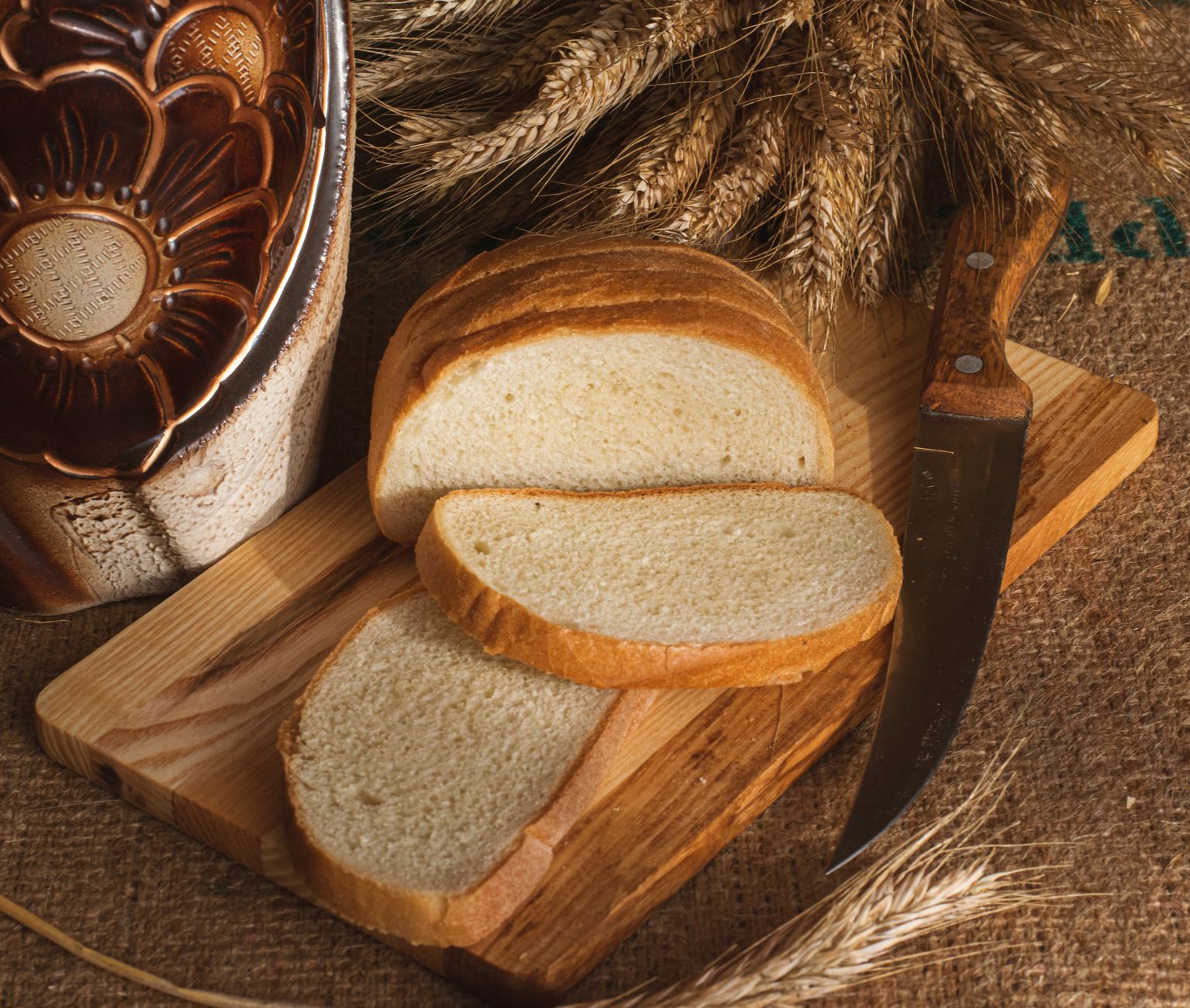
Bread is a staple food enjoyed around the world, but if you have dietary restrictions or are simply curious about its composition, you may be wondering: does bread contain dairy? The answer can vary based on the type of bread and its ingredients. Understanding this can help you make informed choices whether you are baking from scratch or selecting products at the store.
The primary ingredients in bread are flour, water, yeast, and salt. However, some bread recipes or commercially produced options include dairy products to enhance flavor, texture, and shelf life. In this article, we will explore the ingredients that can be found in bread, tips for reading labels, and how to identify dairy-free options.
Does Bread Contain Dairy?
While many traditional bread recipes do not include dairy, some types of bread do, particularly those with added fats or enriched doughs. Common dairy ingredients in bread can include milk, butter, and cream. It’s essential to check the ingredient list to determine whether a specific bread contains dairy.
Common Ingredients in Bread
Before diving deeper into whether bread can contain dairy, let’s take a closer look at the typical ingredients used in bread-making.
- Flour: The primary ingredient, allowing for structure.
- Water: Necessary to hydrate the flour and activate yeast.
- Yeast: A leavening agent that helps the bread rise.
- Salt: Enhances flavor and controls yeast activity.
- Fats: Olive oil, butter, or other fats can be added for flavor and texture.
- Sugars: May be added to promote browning and flavor.
- Dairy: Milk and butter may be used for added richness.
When Does Bread Contain Dairy?
While basic bread recipes focus primarily on flour, water, yeast, and salt, various types of bread can include dairy. Here are some scenarios where bread may contain dairy ingredients:
1. Enriched Breads
Enriched breads, like brioche and challah, often use milk and butter in the dough. These ingredients create a richer and softer texture compared to lean bread types.
2. Commercial Bread Products
Many commercially produced breads may contain dairy products like milk, whey, or butter. These ingredients can enhance flavor, improve texture, and help preserve freshness.
3. Specialty Breads
Some specialty bread, such as certain artisan breads or pastry-like breads, may also use dairy for flavor and texture. Examples include croissants, danishes, or certain types of cheese bread.
Label-Reading Tips for Dairy-Free Bread
If you want to avoid dairy, it is crucial to know how to read labels effectively. Here are some tips to help you make informed choices:
- Look for ‘Dairy-Free’ Labels: Many brands highlight dairy-free options on their packaging.
- Check the Ingredient List: Ingredients are listed in order by weight. If dairy products appear in the first few ingredients, the bread contains significant amounts of dairy.
- Beware of Allergens: Manufacturers are required to label common allergens. If any dairy ingredients are present, they are often noted clearly.
- Be Cautious of Terms: Ingredients such as ‘whey,’ ‘casein,’ and ‘buttermilk’ indicate the presence of dairy.
- Contact Manufacturers: If unsure, directly contacting the manufacturer can provide clarity on their specific recipes.
Dairy-Free Alternatives in Bread Recipes
If you are baking at home and want to make bread without dairy, there are suitable alternatives available. Here are some common dairy substitutes:
- Milk: Use almond, soy, oat, or coconut milk in place of cow’s milk in recipes.
- Butter: Substitute with olive oil, vegan butter, or coconut oil for flavor and richness.
- Yogurt or Sour Cream: For moisture, use coconut yogurt or other non-dairy yogurt products.
Popular Types of Dairy-Free Bread
For those looking to avoid dairy, here are some popular bread types that typically do not contain milk or butter:
- Whole Wheat Bread: Made with whole wheat flour, water, yeast, and salt.
- Rye Bread: Generally made without dairy, rich in flavor and dense in texture.
- Focaccia: An Italian flatbread that can be made dairy-free using olive oil instead of butter.
- Flatbreads: Many flatbreads, like pita and naan (in its traditional forms), do not contain dairy.
- Sourdough Bread: Typically made without dairy; check recipes for specific ingredients.
Baking Tips for Dairy-Free Bread
If you’re venturing into baking dairy-free bread at home, consider these tips to enhance your results:
- Use Room Temperature Ingredients: This can help your dough mix more evenly.
- Hydrate Your Dough:** Water can often compensate for the moisture lost by excluding dairy.
- Consider the Texture: Adding a bit of plant-based yogurt or applesauce can improve moisture levels.
- Don’t Over-Knead: Kneading develops gluten, but over-kneading can lead to tough bread.
- Let the Dough Rise: Proper proofing is crucial for yeast to work effectively.
Common Mistakes to Avoid when Making Dairy-Free Bread
Baking can be tricky, especially when modifying recipes to be dairy-free. Here are some common pitfalls:
- Ignoring Ingredient Ratios: Changing ingredients may require adjustments to fluid or flour amounts to maintain the right texture.
- Not Using Enough Fat: Dairy contributes flavor and richness. Fats should not be omitted entirely in dairy-free versions.
- Choosing the Wrong Flour: Selecting a flour with the right protein content is essential for the right texture.
Storage and Freshness of Bread
Proper storage is essential to maintain the freshness of your homemade or store-bought bread. Here are a few tips:
- Room Temperature: Store bread at room temperature in a cool, dry place for up to 5-7 days.
- Freezing: For longer preservation, bread can be frozen for up to 3 months. Wrap tightly in plastic wrap to avoid freezer burn.
- Thawing: When ready to use frozen bread, thaw it at room temperature or warm it directly in an oven.
Conclusion
Many traditional breads do not contain dairy, but various types and commercial products often do. Whether baking at home or shopping for bread, it’s crucial to read labels carefully and be aware of ingredient lists. By knowing what to look for and using appropriate substitutes, enjoying dairy-free bread can be a delicious and accessible option.
For further exploration, readers interested in baking might enjoy recipes like Einkorn Bread Recipe or create your own Sourdough Baguette Recipe. Happy baking!