
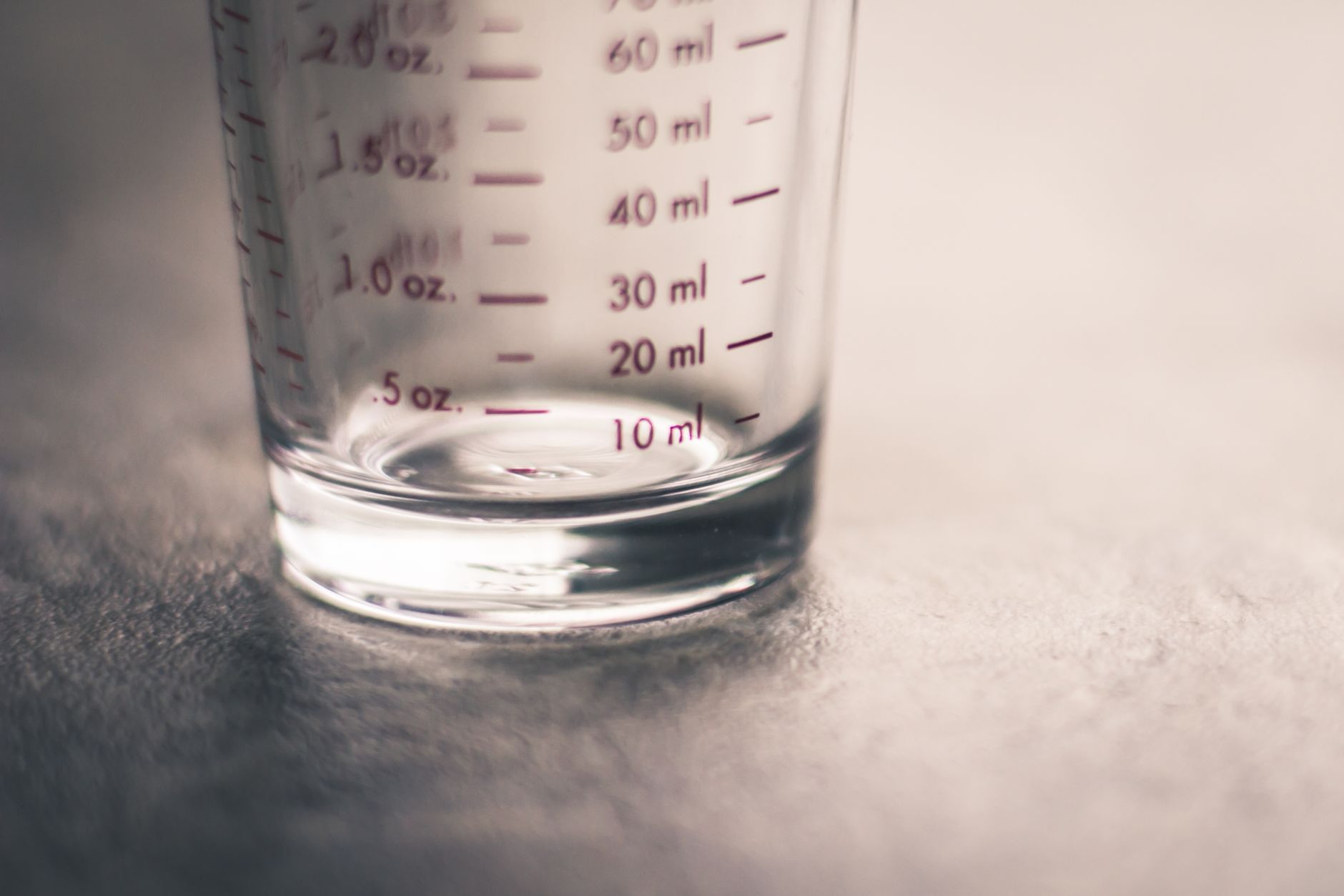
When cooking and baking, accurate measurements are crucial for successful results. Understanding what 1 quart looks like can help you gauge ingredient quantities without needing to constantly reach for measuring cups. This article will delve into the concept of a quart, its visual representation, and its culinary uses.
A quart is a unit of volume measurement equivalent to 4 cups or approximately 32 fluid ounces. Knowing how much a quart holds allows you to adapt recipes, measure liquids and solids effectively, and enhance your cooking skills. Let’s explore how to visualize a quart in different contexts.
What Does 1 Quart Look Like?
One quart is roughly equal to a large container of liquid, such as a milk carton or a standard soup can. When visualizing a quart, think of it in terms of familiar everyday items: a standard size of one quart looks like an approximately half-gallon milk jug, a large mason jar filled to the top, or a round mixing bowl that can hold 1 quart of ingredients.
Here are some more practical illustrations of a quart’s volume:
- A 9-inch round cake pan filled to capacity
- A loaf of bread that can fit within a 1-quart container
- A quart-sized Ziploc bag filled with chopped vegetables or fruits
- Four cups of water measured in a standard measuring cup stacked together
Culinary Uses of 1 Quart Measurement
Understanding what 1 quart looks like extends beyond basic measurement; it can significantly enhance your cooking and recipe management skills. Here are a few of the primary ways it is used in the kitchen:
1. Cooking and Baking
In recipes, liquid measurements often appear in quarts, especially for soups, sauces, or marinades. You might find that a recipe calls for 1 quart of chicken stock or vegetable broth. This measurement helps ensure sufficient liquid for cooking grains like rice, quinoa, or pasta. Additionally, when baking, a quart of batter might be used for larger cakes or muffins, which helps maintain accuracy in portioning.
2. Food Storage
Food storage containers frequently come in quart sizes, making them ideal for storing leftovers, pre-prepared meals, or snacks. For instance, when meal prepping, one quart of cooked grains, such as rice or barley, can serve as a convenient portion for future meals.
3. Beverage Measurements
In beverages, 1 quart serves as a handy measurement for making drinks such as smoothies, batched cocktails, or soups. Understanding how much a quart holds can help you customize your drink recipes to serve the desired number of guests. For instance, making a gallon of iced tea that requires four quarts allows you to tackle larger amounts instead of multiple small batches.
4. Filling Jars for Canning
If you’re into canning, understanding a quart’s volume is essential as many canning recipes call for jars of this size. Common uses include preserving homemade salsa, fruit preserves, or various pickled goods. Knowing how much a quart jar will hold helps you decide how much produce to buy based on your canning goals.
Visualizing 1 Quart in Familiar Terms
When cooking, visualizing the quantities can avert confusion. Below are some comparisons to make this measurement memorable:
- 4 Cups: One quart equals four cups. This can be visualized with four standard measuring cups filled to capacity.
- 1/4 Gallon: A quart is equivalent to 1/4 gallon, so if you have a gallon container, think of a quart as one-fourth of that volume.
- 2 Pints: Since 1 quart equals 2 pints, visualizing two pint-sized jars also represents this volume accurately.
Practical Measurement Techniques
Sometimes, professional equipment isn’t at hand for exact measurements. Here are several techniques to help you measure out 1 quart when you have limited resources:
1. Using Liquids
For measuring liquids, standard measuring cups work perfectly. Fill a 1-cup measuring cup four times to easily calculate 1 quart. Pay attention to the meniscus—make sure you’re pouring to the right line on the liquid to avoid errors.
2. Solid Ingredients
When measuring solids, like chopped vegetables, using a dry measuring cup or a quart-sized container can help. Fill the cup until it overflows, then level it off with a straightedge, such as a knife or flat spatula, for accuracy.
3. Kitchen Scale
For precision, especially with dense or sticky ingredients like honey, syrup, or nut butter, you can use a kitchen scale. Weighing your ingredients allows for accurate conversion and measurement of a quart based on the density of the ingredient.
Common Kitchen Equipment for Measuring 1 Quart
Having the right kitchen tools can facilitate accurate measurements. Here are some essential items:
- Liquid Measuring Cups: Transparent measuring cups that allow for easy reading of liquid volumes.
- Dry Measuring Cups: Essential for measuring solid ingredients like flour or sugar.
- Kitchen Scale: Vital for weighing out ingredients accurately, especially for baking or precise cooking.
- Quart-Sized Containers: Useful for storage and convenient measurement when cooking.
Substitutions and How They Impact Recipes
If you don’t have a quart measurement handy, here are some common ingredient substitutions with equivalent amounts that can be useful:
| Ingredient | Equivalent Measurement |
|---|---|
| 1 Quart of Stock or Broth | 4 Cups of Stock or Broth |
| 1 Quart of Milk | 2 Pints of Milk |
| 1 Quart of Chopped Vegetables | About 4 medium-sized vegetables |
| 1 Quart of Flour | Approximately 1 pound of flour |
Common Mistakes to Avoid
While measuring in quarts is generally straightforward, watch out for these common pitfalls:
- Not Checking for Accuracy: Always ensure your measuring cups are calibrated correctly to avoid discrepancies.
- Ignoring the Meniscus: When measuring liquids, especially in clear cups, make sure to read the level at eye level to avoid inaccurate measures.
- Assuming Dry vs. Liquid Measurements are the Same: Remember that 1 quart of liquid may not weigh the same as 1 quart of a dry ingredient due to differences in density and composition.
Storing and Reheating Quarts of Food
Knowing how to store your quart-sized portions can significantly extend the freshness of your food:
Storing
For liquids, keep them in airtight containers or jars to prevent spoiling. For solids, quart-sized durable storage bags or glass containers work well. Label each container with the contents and date to keep track of what you have.
Reheating
When it comes to reheating quart-sized meals, remember to do so safely. For soups and stews, pour into a pot and gently heat on the stove, stirring occasionally. Microwave reheating should be done in short intervals, stirring in between to ensure even heating.
Incorporating Quarts into Meal Planning
Using quarts effectively can streamline your meal planning activities, making your cooking process efficient:
Batch Cooking
Cook large quantities of soups, sauces, or grains that can be stored in quart containers. This approach prepares meals for the week, saving time and effort on busy days.
Ingredient Overlap
When planning meals, consider how the ingredients can overlap in different recipes while still utilizing quarts efficiently. For example, using 1 quart of cooked beans can be portioned into various recipes such as chili, salads, and wraps throughout the week.
Practical Serving Sizes
Consider that 1 quart is often sufficient for a family of four, so tailor your recipes and meal sizes accordingly. This measurement can help you make decision-making less complicated when determining the number of servings needed.
Conclusion
Understanding what 1 quart looks like can greatly elevate your cooking and baking experiences. Visualizing this measurement through familiar items and knowing its importance in various culinary applications simplifies meal preparation and ensures accuracy in your recipes. Incorporating quarts in your kitchen can enhance meal planning and food storage while preventing confusion over ingredient amounts.
Explore more recipes and tips to make cooking easier, including techniques for cooking grains or preserving fruits and veggies.