
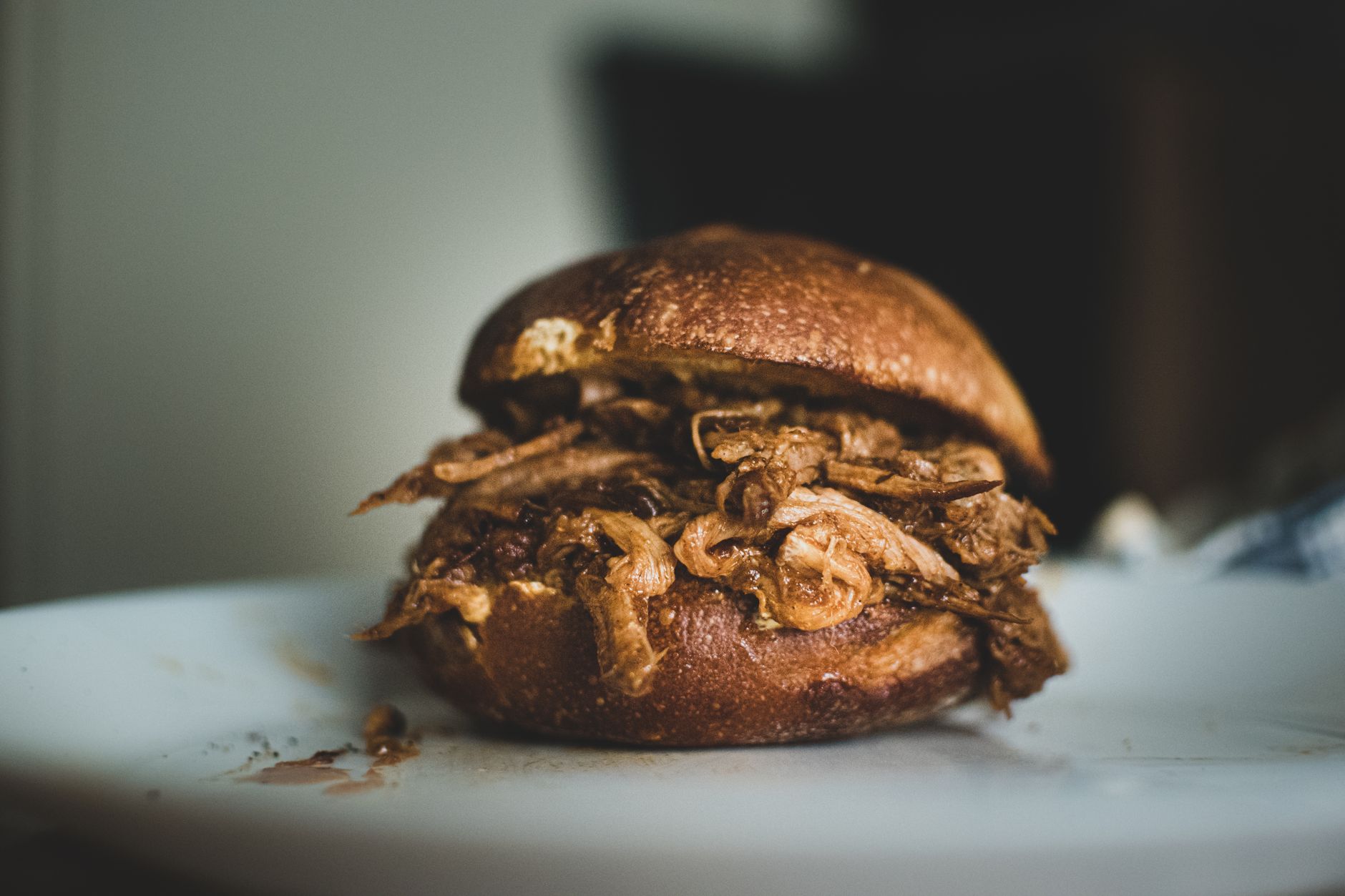
Pork shoulder is a versatile cut of meat that benefits immensely from slow cooking. With the right approach, it can transform into a tender, flavorful dish suitable for various meals, from tacos to pulled pork sandwiches. Understanding how long to slow cook pork shoulder ensures you achieve the desired texture and flavor.
The cooking time for pork shoulder can vary based on several factors, including the cooking method, the size of the meat, and personal preferences regarding doneness. This guide will delve into all the essential details, offering you a comprehensive understanding of slow cooking pork shoulder.
How Long to Slow Cook Pork Shoulder?
To achieve perfectly cooked pork shoulder, you should slow cook it for 8 to 12 hours on low heat or 6 to 8 hours on high heat. The meat should reach an internal temperature of at least 190°F to 205°F for optimal tenderness, as this allows the connective tissues to break down, resulting in a succulent dish.
Understanding Pork Shoulder
Pork shoulder, also known as pork butt or Boston butt, is a cut taken from the upper part of the pig’s front leg. It’s well-marbled, which means it has intramuscular fat, allowing it to stay moist during the cooking process. This fat is key to the flavor and texture of the finished dish.
Flavor Profile
When cooked slowly, pork shoulder develops a rich, savory taste complemented by any spices and marinades you choose to use. It captures smoky and spicy notes exceptionally well, making it perfect for BBQ, tacos, and more. The marbling contributes to a succulent texture, ideal for shredding.
Preparing Pork Shoulder for Slow Cooking
Preparation is key to ensuring that your pork shoulder is flavorful and tender. Here are the essential steps to prepare the meat properly:
- Choosing the Right Cut: Look for a well-marbled pork shoulder with a good amount of fat. This will ensure moistness and flavor.
- Trimming Excess Fat: While some fat is beneficial, too much can make the dish greasy. Trim any excessive fat cap without removing all the flavor.
- Seasoning: Rub your pork shoulder with various spices or marinades a few hours before cooking or even overnight. Simple options include salt, pepper, garlic powder, paprika, and onion powder.
- Optional Searing: Some cooks prefer to sear the pork shoulder in a hot pan before slow cooking to lock in flavors. This step is optional but can add extra depth to the taste.
How to Slow Cook Pork Shoulder
There are primarily two methods for slow cooking pork shoulder: using a slow cooker or an oven. Here’s how to execute both methods effectively.
Using a Slow Cooker
A slow cooker is one of the easiest and most convenient ways to cook pork shoulder. Here’s how to do it:
- Prepare the Ingredients: Season the pork shoulder or marinate it ahead of time. Add aromatics like onions, garlic, or herbs to enhance the flavors.
- Place in Slow Cooker: Put the pork shoulder into the slow cooker. If you’ve seared it, place it directly in the pot.
- Add Liquid: Add a small amount of liquid, such as broth, apple cider, or BBQ sauce. This helps create steam and keeps the meat moist. You typically need about 1 cup of liquid.
- Set the Temperature: Cook on low for 8 to 12 hours or on high for 6 to 8 hours. For best results, always use the low setting if you’re not in a hurry.
- Check the Temperature: Use a meat thermometer to ensure the internal temperature reaches at least 190°F.
- Shred and Serve: Once done, remove the pork shoulder from the slow cooker, let it rest for a few minutes, and then shred it with two forks. Serve with your favorite accompaniments.
Using an Oven
If you prefer to use an oven, the method is just as straightforward:
- Prepare the Pork Shoulder: As with the slow cooker, season and potentially sear the pork beforehand.
- Use a Dutch Oven or Roasting Pan: Place the pork shoulder in a Dutch oven or a covered roasting pan to maintain moisture.
- Add Liquid: Similar to the slow cooker, pour in about 1 cup of broth or any liquid of choice around the meat.
- Cover Tightly: Ensure the lid fits well to trap moisture inside. If using a roasting pan, cover it tightly with aluminum foil.
- Bake: Preheat the oven to 300°F and cook for approximately 4 to 5 hours, or until the internal temperature reaches 190°F.
- Rest and Serve: Remove from the oven and let it rest for about 20 minutes before shredding.
Doneness Tips
Determining the right doneness for pork shoulder is crucial for achieving the best texture. Here are some tips:
- Use a Meat Thermometer: The most reliable way to check doneness is by using a meat thermometer. Aim for an internal temperature between 190°F and 205°F.
- Visual Cues: The meat should be extremely tender and may fall apart easily. A good test is to poke it with a fork; it should shred effortlessly.
- Resting Period: Always let the pork shoulder rest after cooking. This allows the juices to redistribute and improves the overall flavor.
Common Mistakes When Slow Cooking Pork Shoulder
Even with the right techniques, there are common pitfalls to watch for:
- Not Seasoning Enough: Due to its size, pork shoulder can handle a generous seasoning. Don’t shy away from bold spices and marinades.
- Overcooking: While slow cooking can render the pork tender, overcooking can lead to a mushy texture. Stick to the recommended cooking times.
- Skipping the Resting Period: Cutting into the meat immediately after cooking can cause all the juices to run out, resulting in dry meat.
- Using Low-Quality Cut: Choose a quality pork shoulder, as inferior quality can affect the final result.
Substitutions and Variations
While pork shoulder is the star of this dish, you can explore some different options and variations:
- Different Cuts: You can use pork loin for a leaner option; however, it may not be as tender. Shoulder blade or pork belly can also be alternatives.
- Vegan Options: If you’re interested in vegan alternatives, certain plant-based meats or jackfruit can mimic the texture of pulled pork.
- Spice Variations: Experiment with different spice mixes such as Cajun, Italian herbs, or Asian-inspired flavors featuring soy sauce and ginger.
- Cooking Liquid Variations: Instead of broth, try using beer, cider, or even cola for a sweet touch.
Serving Suggestions
Pork shoulder is highly versatile and can be presented in various ways:
- Pulled Pork Sandwiches: Serve shredded pork on buns with coleslaw and BBQ sauce.
- Tacos or Burritos: Use pulled pork as a filling for tacos, topped with onions and cilantro.
- Rice Bowls: Pair the meat with rice, beans, and fresh vegetables for a hearty meal.
- Salads: Add shredded pork to salads for a protein boost.
Make-Ahead and Storage Tips
Pork shoulder is an excellent candidate for meal prep and storage. Here are some insights:
- Make-Ahead: You can cook pork shoulder in advance and store it for later use. Shred the meat and refrigerate it for up to 3 to 4 days before serving it in various dishes.
- Freezing: Cooked and shredded pork can be frozen for 3 to 6 months. Store it in airtight containers or freezer bags, removing as much air as possible.
- Reheating: When you’re ready to use your frozen pork, thaw it in the refrigerator overnight. Reheat gently in the microwave, stovetop, or oven until warmed through to avoid drying it out.
Conclusion
Slow cooking pork shoulder can yield delicious and tender results, perfect for meal prepping or special gatherings. With the proper techniques and understanding of cooking times, anyone can create a dish that delights the palate. Don’t hesitate to experiment with flavors and serving styles to make this dish your own.
If you’re looking for more delicious slow-cooked options, check out our short rib recipe or try this easy slow cooker ribs recipe.