
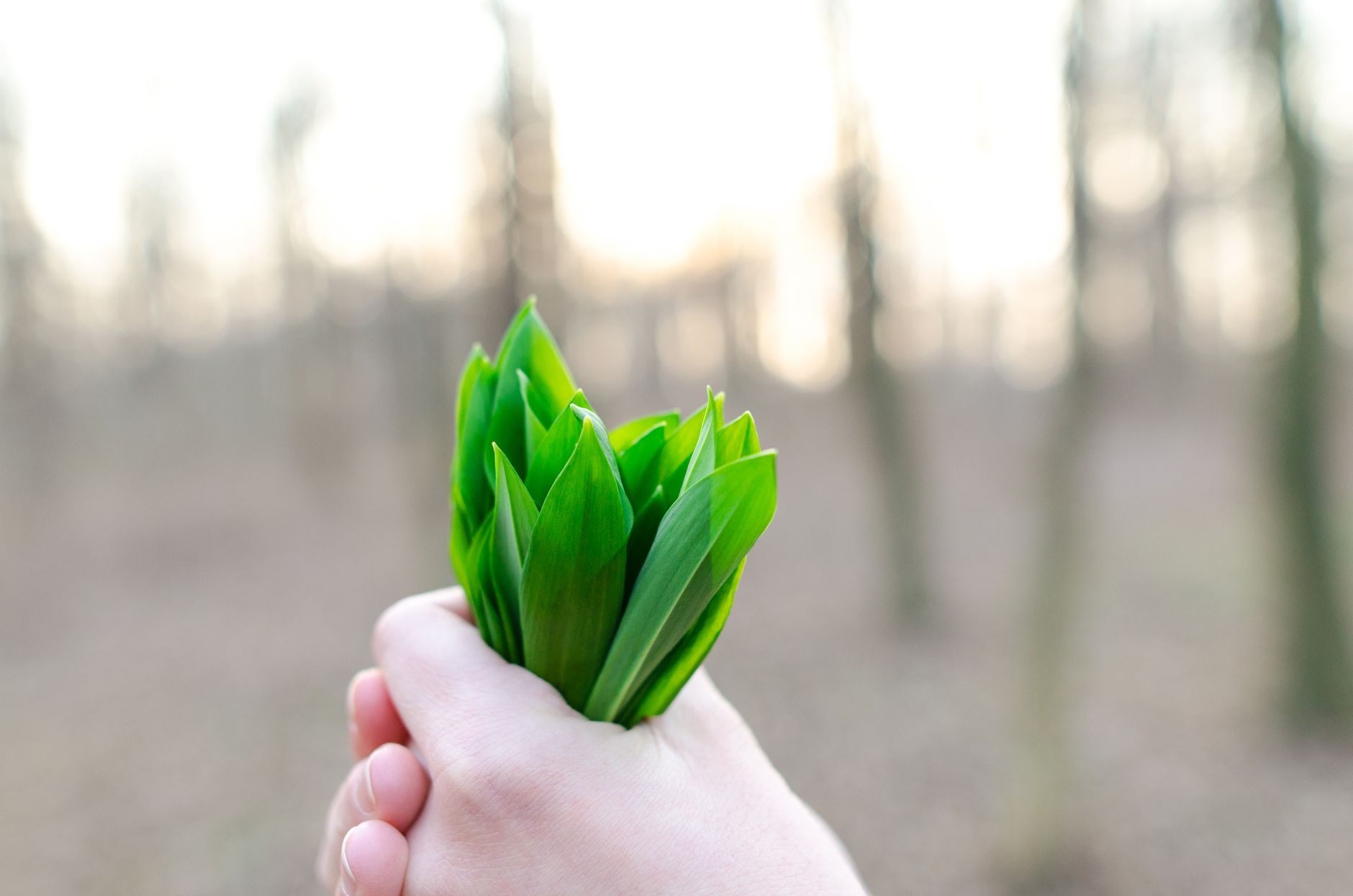
Ramps, also known as wild leeks, are a seasonal delicacy that has gained popularity among food enthusiasts in recent years. With their distinct pungent aroma and unique flavor, they are often celebrated for their versatility in the kitchen.
This article delves into what ramps are, their culinary uses, flavor profile, how to prepare them, and best practices for serving. Whether you are a seasoned chef or a curious home cook, ramps can add a delightful twist to your dishes.
What Is Ramps?
Ramps are a type of wild onion, scientifically known as Allium tricoccum. They are native to North America and are traditionally found in the forests of the eastern United States and Canada. These springtime foragers are revered for their unique flavor, described as a combination of garlic and onions, with a hint of earthiness. Ramps are particularly popular in Southern Appalachian cuisine.
Flavor Profile of Ramps
The flavor of ramps is distinct and complex, making them a favorite among chefs and home cooks alike. Their unique taste is characterized by:
- Pungent Aroma: Ramps possess a strong, garlicky scent that can fill a kitchen when cooked.
- Savory Flavor: The taste has hints of garlic and mild onion, which can vary in intensity depending on the ripeness and cooking method.
- Earthy Notes: When cooked, ramps develop deeper, earthier flavors, adding depth to various dishes.
How to Choose and Store Ramps
When selecting ramps, look for fresh, vibrant leaves and firm bulbs. Here are some tips for choosing and storing:
- Freshness: Choose ramps with crisp leaves and unblemished cloves.
- Seasonality: Ramps are typically available from late March to early June, depending on the region.
- Storage: Store ramps in a paper bag in the refrigerator for up to a week. Avoid washing them until ready to use, as moisture can lead to spoilage.
Culinary Uses for Ramps
Ramps can be enjoyed in various dishes, from appetizers to main courses. Here are several popular ways to incorporate ramps into your cooking:
Raw Preparations
Ramps can be used raw to add a fresh, sharp flavor to dishes. Consider the following preparations:
- Salads: Use sliced raw ramps in salads for a burst of flavor.
- Pickling: Pickled ramps make a great condiment, adding tang and crunch to sandwiches or cheese boards.
Cooked Dishes
Cooking ramps mellows their sharpness, bringing out their sweet and earthy qualities. Here are some ideas for cooked preparations:
- Sautéing: Sautéed ramps can be served as a side dish or incorporated into other recipes.
- Soups: Ramps can be added to soups and broths for a flavorful base.
- Pasta: Toss sautéed ramps with pasta dishes for an aromatic twist.
Creative Uses
For the adventurous cook, ramps can add flavor to various dishes and condiments:
- Ramp Butter: Blend softened butter with chopped ramps for a flavorful spread.
- Ramp Pesto: Combine ramps with nuts, cheese, and oil for a unique pesto.
- Infused Oils: Make ramps-infused oil for drizzling on pizzas or salads.
Preparation Techniques for Ramps
Proper preparation is key to enjoying ramps in your dishes. Here are steps to prepare ramps for cooking:
- Cleaning: Rinse ramps thoroughly under cold water to remove dirt and grit.
- Trimming: Remove the root end and any wilted leaves. Trim the stems to your desired length.
- Chopping: Depending on your recipe, chop ramps into smaller pieces or keep them whole.
How to Serve Ramps
Serving ramps can enhance the culinary experience. Here are some suggestions:
- Complementary Flavors: Pair ramps with ingredients like potatoes, eggs, cheese, and meats to balance their strong flavor.
- Garnishes: Use ramps as a garnish for finished dishes to add a visual appeal and a burst of flavor.
- Offer Variety: Consider serving ramps in multiples ways during a meal, such as sautéed, pickled, or in a salad.
Substituting Ramps in Recipes
If ramps are unavailable or out of season, various substitutes can provide a similar flavor profile. Here are some alternatives:
- Green Onions: Use green onions for a milder flavor, but increase the quantity slightly to match the intensity of ramps.
- Garlic Chives: Garlic chives offer a similar aromatic quality and can be used in place of ramps in cooked dishes.
- Shallots or Leeks: These can provide a sweeter alternative but will lack the raw pungency typical of ramps.
Common Mistakes When Cooking with Ramps
Cooking with ramps can be straightforward, but there are some hurdles to avoid:
- Overcooking: Cooking ramps for too long can lead to a mushy texture and diminished flavor. Sauté briefly.
- Ignoring Freshness: Always select fresh ramps for the best flavor. Wilting or browning indicates they are past their prime.
- Neglecting Cleanliness: Ramps are often found in the wild; ensure they are washed properly to remove dirt and insects.
Storing Ramps After Use
If you have leftover ramps, store them properly to maintain freshness. Here are guidelines:
- Cooked Ramps: Store in an airtight container in the refrigerator where they can last for about three days.
- Freezing Ramps: Ramps can be blanched and frozen for longer storage. This helps preserve their flavor, and they can last up to six months in the freezer.
Ramps in Regional Cuisines
Ramps have a strong cultural connection, especially in Appalachian cuisine, where they are celebrated during the spring when local foragers harvest them. Here are a few traditional dishes that showcase ramps:
- Ramp Festival Dishes: Many rural communities host festivals that celebrate ramps, serving them in various traditional dishes.
- Ramp Biscuits: These flaky biscuits incorporate ramps, making them a popular treat in the South.
Health Benefits of Ramps
While eating ramps can certainly delight your palate, there are also potential health benefits to consider:
- Nutrient-Rich: Ramps are an excellent source of vitamins A and C, which are essential for overall health.
- Antioxidants: Like other members of the onion family, ramps contain antioxidants that can help combat oxidative stress in the body.
Conclusion
Ramps are an exciting culinary ingredient with a short seasonal availability, offering unique flavors that can elevate a variety of dishes. Their versatility in cooking, along with the excitement they bring to meal preparation, encourages both experimentation and tradition in the kitchen.
Explore more cooking tips or ingredient guides, such as substituting for rosemary or dive into a delicious creamy ramen recipe.