
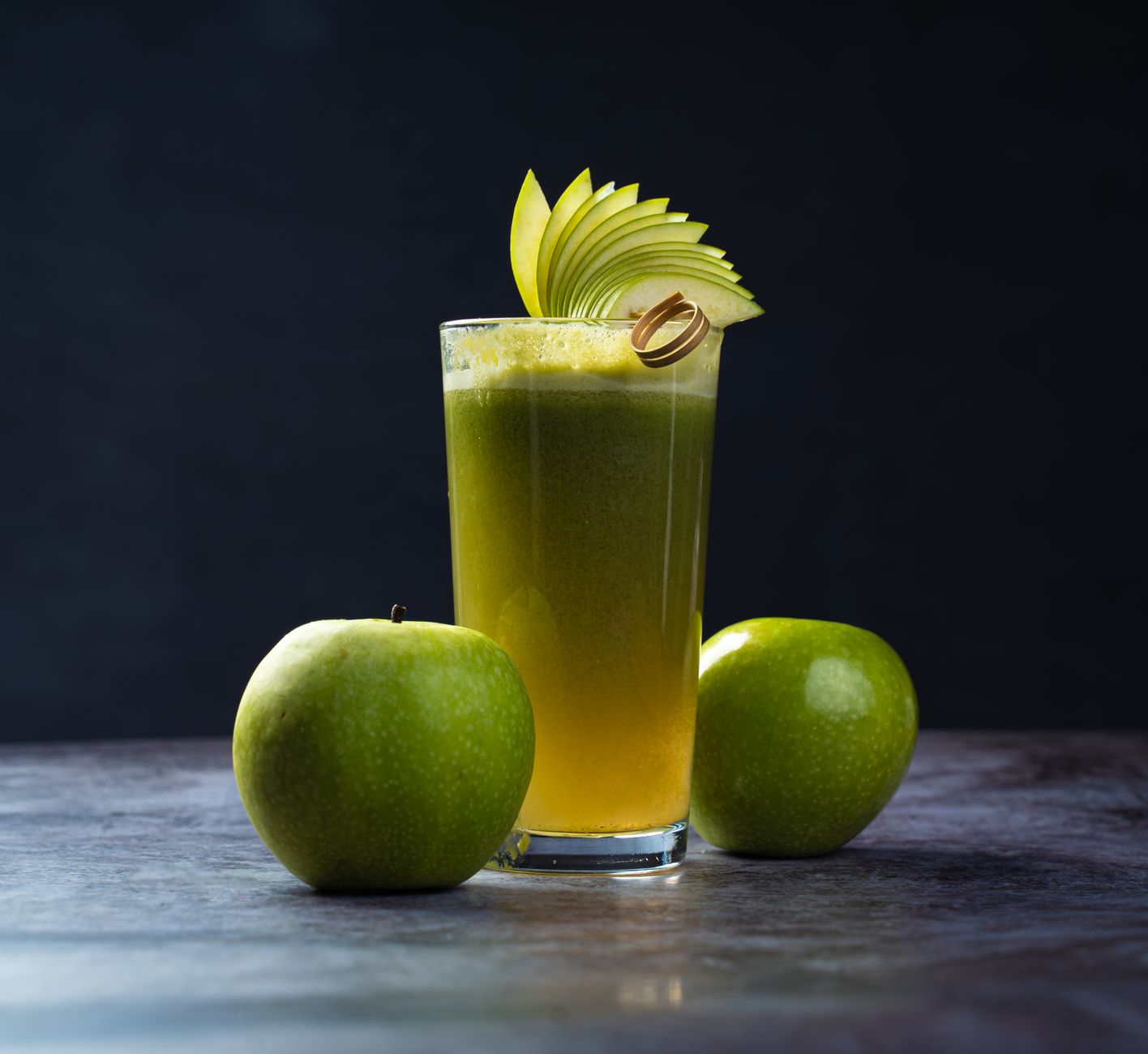
Apple juice is a popular beverage enjoyed by many for its sweet flavor and refreshing qualities. However, as health-conscious consumers become increasingly aware of their beverage choices, questions arise about whether apple juice is truly healthy or if there are drawbacks to its consumption.
This article delves into the nutritional facts, health considerations, and the overall impact of apple juice on one’s diet, enabling you to make informed choices about including this drink in your lifestyle.
Is Apple Juice Healthy?
Yes, apple juice can be healthy when consumed in moderation. It contains vitamins and minerals, but it also has a high sugar content and lacks fiber, which can limit its health benefits compared to whole apples.
Nutritional Profile of Apple Juice
Understanding the nutritional content of apple juice is essential for evaluating its health benefits. Below is a breakdown of the average nutrition facts for an 8-ounce (240 ml) serving of 100% apple juice:
| Nutrient | Amount |
|---|---|
| Calories | 120 |
| Total Fat | 0g |
| Carbohydrate | 28g |
| Sugars | 24g |
| Protein | 0g |
| Vitamin C | 8% of the Daily Value (DV) |
| Potassium | 4% of the DV |
Apple juice is a source of carbohydrates primarily from sugar. It also contains small amounts of vitamin C and potassium. Unlike whole apples, apple juice lacks dietary fiber, which plays a crucial role in digestive health.
Health Benefits of Apple Juice
1. Hydration
Apple juice is mainly composed of water, making it a good option for hydration. It can serve as a refreshing beverage, especially on hot days.
2. Antioxidants
Apple juice contains various antioxidants, including flavonoids and polyphenols, which help combat oxidative stress and may play a role in reducing the risk of chronic diseases. These compounds are more prevalent in 100% apple juice than in sweetened varieties.
3. Vitamin C Source
While it doesn’t provide the same levels of vitamin C as whole apples, apple juice still contributes a small portion of the recommended daily intake, which is essential for immune function and skin health.
Health Considerations When Consuming Apple Juice
1. High Sugar Content
One of the significant drawbacks of apple juice is its high sugar content. An 8-ounce serving contains approximately 24 grams of sugars, much of which is natural fruit sugar. While these sugars occur naturally, they can still contribute to increased calorie intake and potential weight gain if consumed excessively.
2. Lack of Fiber
Fiber is an important element found in whole fruits that aids digestion and provides a sense of fullness. Since apple juice lacks fiber due to the processing method, it may not help reduce hunger or regulate blood sugar levels as effectively as whole apples.
3. Potential for Blood Sugar Spikes
The rapid assimilation of sugars from apple juice can lead to spiking blood sugar levels, especially in individuals with insulin sensitivity or diabetes. It’s essential for such individuals to be cautious when including apple juice in their diet.
4. Caloric Intake
Some people may underestimate the calories consumed from beverages. Regularly drinking apple juice can contribute significant calories to one’s diet without the same satiety that whole fruits provide.
Guidelines for Including Apple Juice in Your Diet
To reap the benefits of apple juice while minimizing potential downsides, consider the following guidelines:
- Choose 100% pure apple juice with no added sugars or preservatives.
- Moderation is key; limit consumption to a small glass (about 4-6 ounces) a few times a week.
- Pair apple juice with a high-fiber food, such as nuts or whole-grain snacks, to balance blood sugar levels.
- Consider mixing apple juice with sparkling water for a refreshing, lower-calorie beverage.
Alternatives to Apple Juice
If you’re looking for options that provide similar refreshment without some of the drawbacks, consider these alternatives:
- Whole Apples: Eating whole apples provides fiber, which aids digestion and promotes fullness.
- Water with a Splash of Juice: Mix water with a splash of apple juice to get the flavor with fewer calories and sugars.
- Vegetable Juices: Opt for vegetable juices that are lower in sugar and high in nutrients.
- Infused Water: Infuse water with apple slices and spices like cinnamon for a refreshing drink without the extra sugar.
Common Misconceptions About Apple Juice
1. Apple Juice is a Health Food
While apple juice contains some beneficial nutrients, it’s not a health food on its own. Consumers sometimes see it as equivalently healthy as whole fruits, which is misleading.
2. All Juices are Equal
Many commercial juices contain added sugars, colorings, and preservatives. Always read labels to choose high-quality options.
Tips for Selecting and Storing Apple Juice
When shopping for apple juice, consider these tips to ensure you’re picking the healthiest version:
- Look for 100% juice on the label without added sugars or artificial ingredients.
- If possible, choose organic apple juice, which may have fewer pesticide residues.
- Check for pasteurization; look for pasteurized juice to ensure it is safe to drink.
To store apple juice, keep it refrigerated and consume it within seven to ten days after opening. Unopened apple juice can last up to a year when stored in a cool, dark place.
Conclusion
Apple juice can be a healthy part of your diet when consumed mindfully. While it has hydration benefits and contains antioxidants, its high sugar content and lack of fiber warrant cautious consumption. Choosing high-quality, 100% apple juice and adhering to moderation will help you enjoy its taste while minimizing potential drawbacks.
For healthier drink options, consider exploring related topics such as the benefits of pomegranate juice or refreshing recipes like chia pudding with coconut milk.