
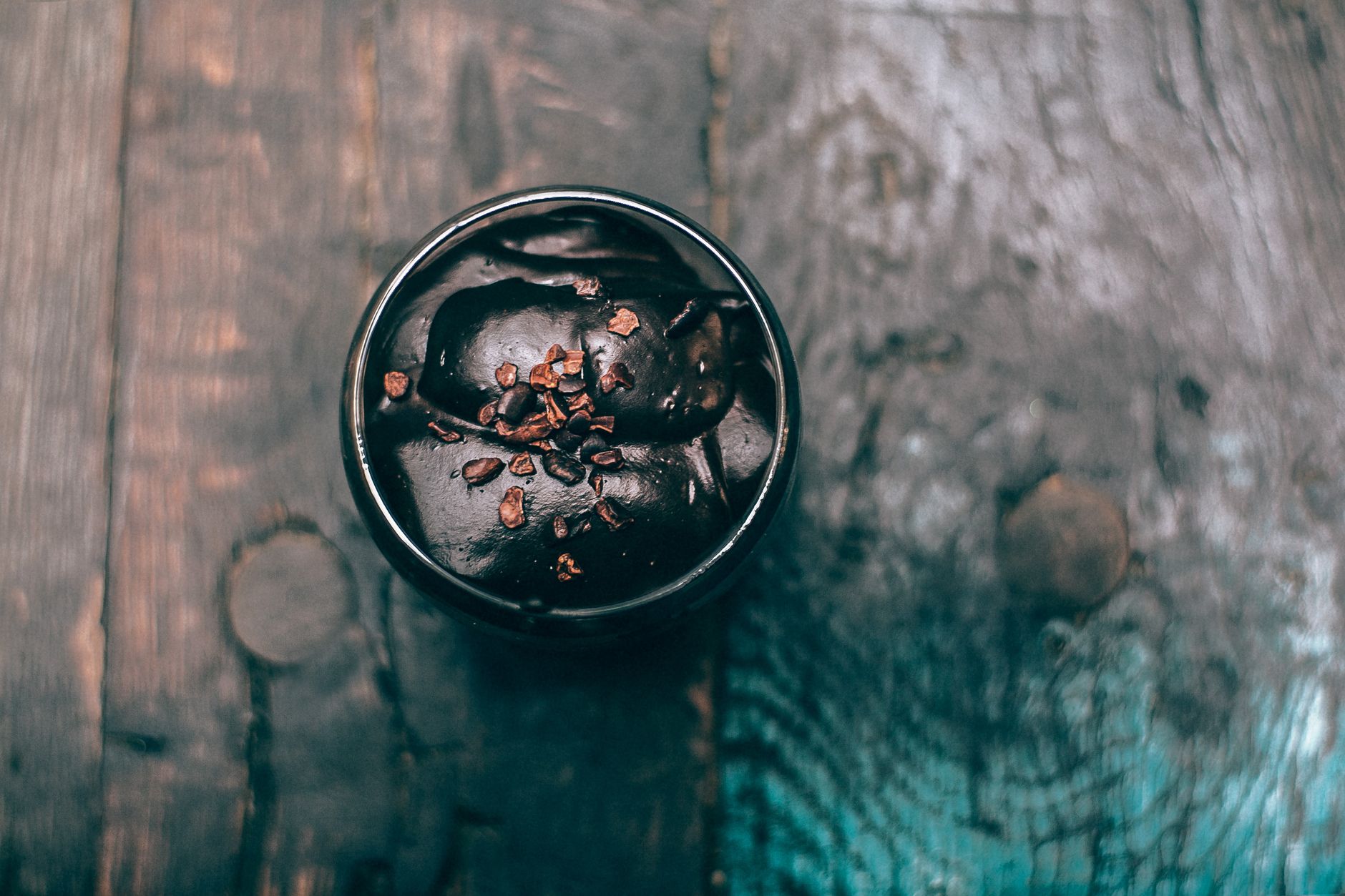
Cacao nibs are small pieces of crushed cacao beans, known for their rich chocolate flavor and crunchiness. These versatile ingredients are a popular addition to various dishes, bringing a unique texture and depth to desserts, smoothies, and savory meals alike. Understanding what cacao nibs are, their flavor profile, and how to serve them can enhance your culinary repertoire.
In this article, we will explore the characteristics of cacao nibs, discuss their culinary uses, and provide tips on where to incorporate them into your cooking or baking. We will also cover flavor pairings and suggest ways to serve cacao nibs for maximum enjoyment.
What Are Cacao Nibs?
Cacao nibs are made from fermented, dried, roasted, and crushed cacao beans, the same beans used to make chocolate. Their production involves removing the outer shell of the cacao bean, leaving behind the inner nibs, which are full of antioxidants, fiber, and a deep chocolate flavor. Unlike cocoa powder or chocolate, cacao nibs are not sweetened, which allows them to showcase the pure essence of chocolate.
Ingredients and Nutritional Value
Cacao nibs are primarily composed of the following:
- Fat: about 50-55% of their weight, primarily cocoa butter.
- Carbohydrates: provide energy and fiber, promoting digestive health.
- Protein: contributes to muscle repair and overall health.
- Antioxidants: cacao nibs are rich in flavonoids, which can support heart health.
- Magnesium: important for muscle and nerve function.
- Iron: essential for transporting oxygen in the blood.
Although cacao nibs are bitter and not sweet, their health benefits make them a worthy addition to a balanced diet. A typical serving size is about one ounce (28 grams), which contains approximately:
- 130 calories
- 13 grams of fat
- 6 grams of carbohydrates
- 3 grams of protein
- 8 grams of dietary fiber
Flavor Profile of Cacao Nibs
Cacao nibs have a unique flavor characterized by their intense bitterness combined with a rich chocolate taste. The roasting process brings out complex flavors that can range from earthy and nutty to fruity and floral, depending on the origin of the beans. Some common flavor notes include:
- Bitterness
- Nuttiness
- Fruity hints
- Woody tones
- Earthiness
This complexity allows cacao nibs to pair well with a variety of ingredients, from sweet to salty, providing an exciting contrast in many dishes.
How to Use Cacao Nibs
Cacao nibs are incredibly versatile and can be used in numerous culinary applications. Here are some popular ways to incorporate them into your cooking:
Baking
Cacao nibs can replace chocolate chips in cookies, brownies, and muffins. Since they are unsweetened, adjust the sugar in your recipes to maintain sweetness. The crunchy texture adds an interesting contrast to soft baked goods.
Snacks and Granola
Incorporate cacao nibs into homemade granola or trail mix for added crunch and flavor. They can also be sprinkled on top of yogurt, smoothie bowls, or chia pudding for a nutritious snack.
Savory Dishes
Try using cacao nibs in savory sauces or spice blends. They can add a depth of flavor to chili, mole sauces, or even as a garnish for roasted vegetables.
Hot Beverages
Add cacao nibs to warm drinks like coffee or hot chocolate. You can also infuse them in plant-basedmilk to create a chocolate-flavored base for various beverages.
Salads
Cacao nibs can add a delightful crunch to salads, complementing greens and fruits. Try tossing them into a salad with citrus fruits and nuts for an extra layer of flavor.
Serving Suggestions
When serving cacao nibs, consider the following tips to enhance your dishes:
- Pairing with Sweetness: Balance their bitterness by combining cacao nibs with naturally sweet ingredients like honey, maple syrup, or ripe fruits.
- Sprinkle Them: Use cacao nibs as a garnish on desserts, smoothie bowls, or oatmeal to elevate presentation and flavor.
- Chop and Mix: Chop cacao nibs for easier incorporation into recipes or mix them into batter for even distribution.
- Serving with Cheese: Experiment with cheese platters by including cacao nibs alongside various cheeses, dried fruits, and nuts for a unique tasting experience.
Storing Cacao Nibs
Proper storage is essential to maintaining the freshness and crunch of cacao nibs. Here are some tips for storing them:
- Airtight Container: Store cacao nibs in an airtight container to prevent moisture infiltration and keep them fresh.
- Cool and Dark Place: Keep the container in a cool, dark place, away from direct sunlight. A pantry or cupboard works well.
- Refrigeration: For extended freshness, consider refrigerating the cacao nibs. Be sure they are sealed tightly to avoid moisture absorption.
Common Mistakes When Using Cacao Nibs
When incorporating cacao nibs into your recipes, be mindful of these common mistakes:
- Overusing: Cacao nibs are potent and can overwhelm a dish with bitterness. Start with a small amount and adjust according to taste.
- Ignoring Sweetness: Remember to balance the bitterness of cacao nibs with sweet ingredients, particularly in baked goods.
- Not Grinding: If using cacao nibs in smoothies or beverages, consider grinding them for a finer texture that blends better.
Creative Recipe Ideas with Cacao Nibs
Now that you understand cacao nibs, here are some creative recipe ideas that showcase their unique flavor:
Cacao Nib Energy Balls
These energy balls are great for a quick snack or post-workout energy boost.
- Ingredients:
- 1 cup pitted dates
- 1/2 cup nut butter (almond or peanut)
- 1/4 cup cacao nibs
- 1 cup rolled oats
- 1 tablespoon chia seeds
- In a food processor, pulse the dates until they form a sticky paste.
- Add the nut butter, rolled oats, cacao nibs, and chia seeds. Pulse until combined.
- Form into small balls and refrigerate for 30 minutes before enjoying.
Dairy-Free Cacao Nib Granola
This granola not only tastes amazing but also fills your kitchen with a wonderful aroma.
- Ingredients:
- 3 cups rolled oats
- 1/2 cup maple syrup
- 1/2 cup coconut oil
- 1/2 cup cacao nibs
- 1/2 cup chopped nuts (your choice)
- 1 teaspoon vanilla extract
- 1/2 teaspoon salt
- Preheat oven to 350°F (175°C). Line a baking sheet with parchment paper.
- In a large bowl, mix the rolled oats, cacao nibs, chopped nuts, and salt.
- In a saucepan, combine the maple syrup and coconut oil. Heat until melted, then stir in vanilla.
- Pour the wet mixture over the dry ingredients and mix thoroughly.
- Spread the mixture evenly on the prepared baking sheet and bake for 20-25 minutes, stirring halfway through.
- Allow to cool before storing in an airtight container.
Spiced Cacao Nib Oatmeal
This hearty breakfast can be customized to suit your taste.
- Ingredients:
- 1 cup rolled oats
- 2 cups water or milk of choice
- 1/4 cup cacao nibs
- 1 teaspoon cinnamon
- 1 tablespoon maple syrup or honey
- Fresh fruits (bananas, berries) for toppings
- In a saucepan, bring water or milk to a boil.
- Add rolled oats and reduce heat. Simmer for 5 minutes or until oats are tender.
- Stir in cacao nibs, cinnamon, and sweetener of choice.
- Serve in bowls, topped with fresh fruits and additional cacao nibs if desired.
Conclusion
Cacao nibs are a versatile and nutritious ingredient that can elevate various dishes with their complex flavor profile. These small nuggets of chocolate goodness can enhance your baking, snacking, or even savory cooking adventures. By exploring cacao nibs in your culinary endeavors, you can enjoy the rich benefits of chocolate without the added sweetness. Whether you’re making an energizing snack or jazzing up your favorite breakfast, cacao nibs are a valuable addition to your kitchen pantry.
For more delicious recipes, consider trying our Mexican Hot Chocolate Recipe or a refreshing Chia Pudding Recipe with Coconut Milk to continue exploring these delightful flavors.