
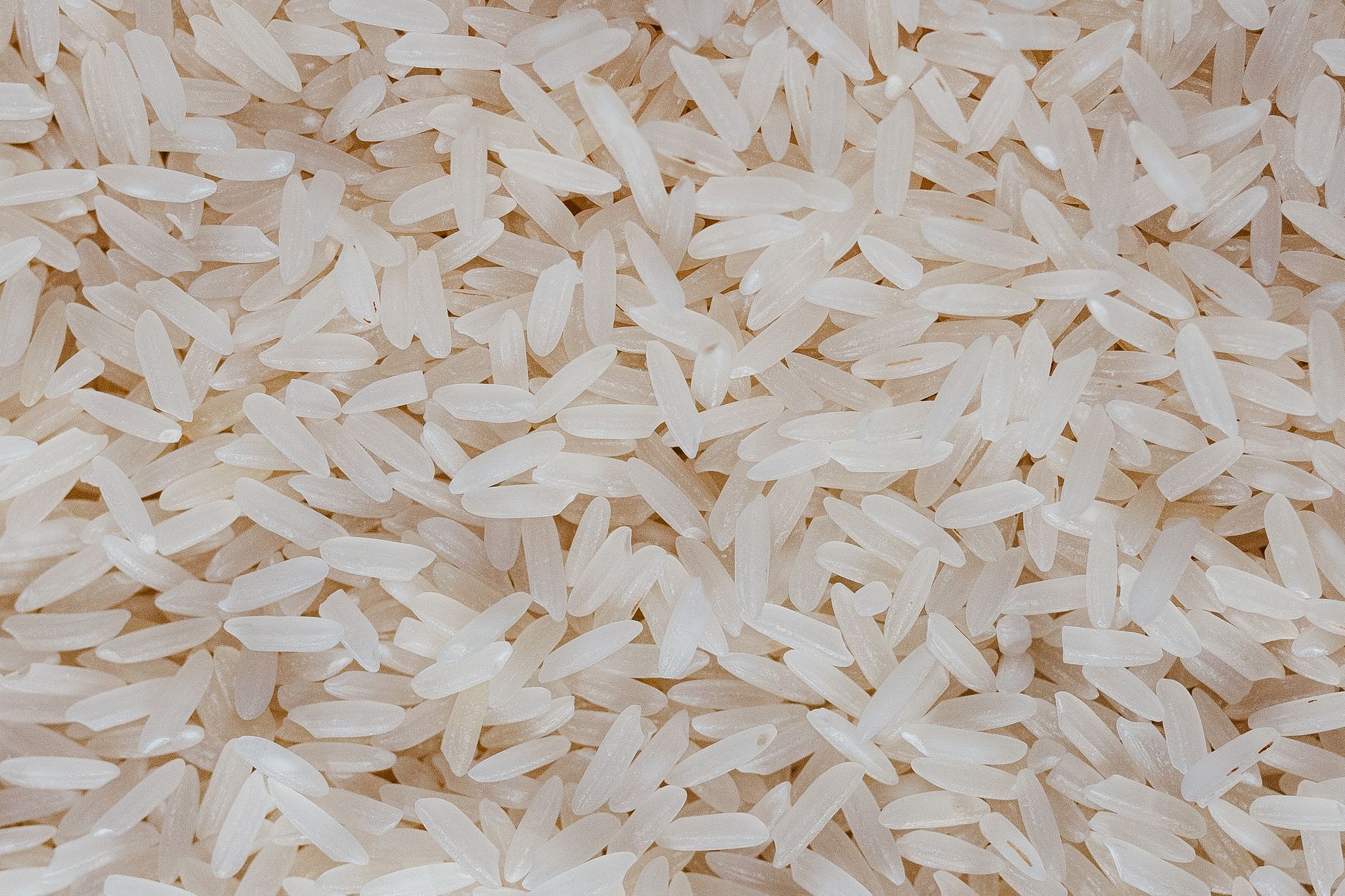
Basmati rice, particularly the white variety, holds a special place in various culinary traditions, especially in South Asian cuisine. Its unique fragrance, long grains, and fluffy texture make it a popular choice for many dishes. However, health-conscious eaters often question whether consuming white basmati rice is a good dietary choice.
This article delves into the nutritional profile of white basmati rice, its potential health benefits, and the proper portion sizes to consider, helping you determine if it can fit into a balanced diet.
Is White Basmati Rice Healthy?
White basmati rice can be a healthy choice when consumed in moderation. It is lower in glycemic index compared to other white rice varieties, making it a better option for blood sugar management. However, it is essential to consider portion sizes and how it fits into your overall diet.
Nutritional Profile of White Basmati Rice
Understanding the nutritional makeup of white basmati rice helps in evaluating its health benefits. Here’s a breakdown of its key components per 1-cup serving (cooked):
- Calories: 205
- Carbohydrates: 45 grams
- Protein: 4 grams
- Fat: 0.6 grams
- Fiber: 0.6 grams
- Magnesium: 19 mg (5% of Daily Value)
- Iron: 1.1 mg (6% of Daily Value)
White basmati rice primarily consists of carbohydrates, which serve as a significant energy source. The protein content is relatively modest but contributes to daily dietary requirements. Notably, it contains minimal fat and limited fiber compared to whole grains.
The Glycemic Index of White Basmati Rice
The glycemic index (GI) measures how quickly foods increase blood sugar levels. White basmati rice typically has a GI of around 50-58, which is lower than many other types of white rice, like jasmine rice that can reach a GI of 89. This moderate GI means that it has a gentler effect on blood sugar, making it a potentially healthier choice.
Health Benefits of White Basmati Rice
Incorporating white basmati rice into your meals can offer several advantages:
1. Energy Source
The primary function of carbohydrates is to provide energy. White basmati rice is an ideal option for those needing quick and easily digestible energy, especially for athletes or individuals with active lifestyles.
2. Low in Fat
Being low in fat makes white basmati rice suitable for those monitoring their fat intake. It can be included in various meals without significantly raising overall fat consumption.
3. Gluten-Free
For individuals with gluten sensitivities or celiac disease, white basmati rice offers a delicious gluten-free option. It can serve as a perfect base for various dishes, including stir-fries and curries.
4. Heart Health
Whole grains are often linked to heart health, and while white basmati rice is not a whole grain, its lower GI may help in managing blood sugar and reducing the risk of diabetes, which in turn supports heart health.
Portion Sizes: How Much Should You Eat?
The appropriate portion size for white basmati rice generally falls around 1/2 to 1 cup cooked. It is crucial to balance your plate with vegetables and lean proteins to ensure a well-rounded meal. Here are some tips for appropriate portion management:
- Use measuring cups to gauge adequate serving sizes.
- Pair rice with a source of lean protein, such as chicken, tofu, or legumes.
- Fill half of your plate with colorful vegetables to complement the rice and enhance the meal’s nutritional value.
Possible Drawbacks of White Basmati Rice
While white basmati rice has benefits, there are aspects to consider:
1. Low Fiber Content
Compared to whole grains, white basmati rice has lower fiber content. Higher fiber diets are associated with various health benefits, such as improved digestion and reduced risk of chronic diseases. To counter this, consider adding fiber-rich vegetables to your meals.
2. Blood Sugar Spikes
Despite its lower GI rating, eating large servings of white basmati rice can still lead to increased blood sugar levels, particularly for individuals with insulin resistance or diabetes. Monitoring portion sizes is key to minimizing any potential spikes.
How to Prepare White Basmati Rice
Proper preparation of basmati rice enhances its flavor and texture. Here’s a simple step-by-step guide:
- Rinse the Rice: Place 1 cup of white basmati rice in a fine-mesh strainer and rinse it under cold running water until the water runs clear. This step helps remove excess starch and prevents the rice from becoming gummy.
- Soak the Rice: Soak the rinsed rice in water for 30 minutes. This helps the grains cook evenly and become more tender.
- Boil Water: In a pot, bring 1.5 to 2 cups of water to a boil for each cup of rice.
- Add Rice: Once the water is boiling, add the soaked and drained rice. Stir once to prevent sticking.
- Simmer: Cover the pot with a lid, reduce heat to low, and let simmer for about 15-20 minutes. Avoid lifting the lid during cooking.
- Fluff and Serve: Remove the pot from heat and let it rest for another 5 minutes. Fluff the rice with a fork before serving.
Creative Ways to Use White Basmati Rice
White basmati rice can be employed in various dishes beyond standard servings. Consider these creative options:
- Pilafs: Sauté onions and spices before adding rice and broth for a fragrant rice pilaf.
- Stir-fries: Use white basmati rice as a base for vegetable and protein stir-fries. The fluffy texture complements assorted flavors.
- Grain Bowls: Create a grain bowl with basmati rice, topped with roasted vegetables, chickpeas, and drizzled with tahini sauce.
- Curries: Serve alongside spicy curries, allowing the rice to absorb all the rich flavors.
Common Mistakes When Cooking White Basmati Rice
To achieve the best results, avoid the following common mistakes:
- Not Rinsing: Failing to rinse the rice can lead to a gummy texture.
- Incorrect Water Ratio: Using too much or too little water affects cooking; always adhere to water ratios for the best outcome.
- Too Much Heat: Cooking on high heat typically results in unevenly cooked or burnt rice. Always start with boiling water before reducing the heat.
Storage and Reheating Tips
Storing and reheating white basmati rice correctly can minimize food waste and ensure flavorful meals later:
- Storage: Allow cooked rice to cool to room temperature before transferring it to an airtight container. It can be refrigerated for 4-6 days.
- Freezing: Cooked basmati rice can be frozen for up to a month. Portions should be packed in freezer-safe bags or containers.
- Reheating: When reheating, add a splash of water and microwave covered, or reheat on the stovetop with a little water to restore moisture.
Final Thoughts
White basmati rice can be part of a healthy diet when consumed mindfully. With its favorable glycemic index and versatility in cooking, it serves as a delicious carbohydrate source, especially when balanced with protein and vegetables. Be conscious of portion sizes, and remember to combine it with other nutritious ingredients to create wholesome meals.
For more insights on rice varieties, check if basmati rice is gluten-free or if rice can be fattening. There’s a wealth of information to aid in your cooking and meal planning journey.