
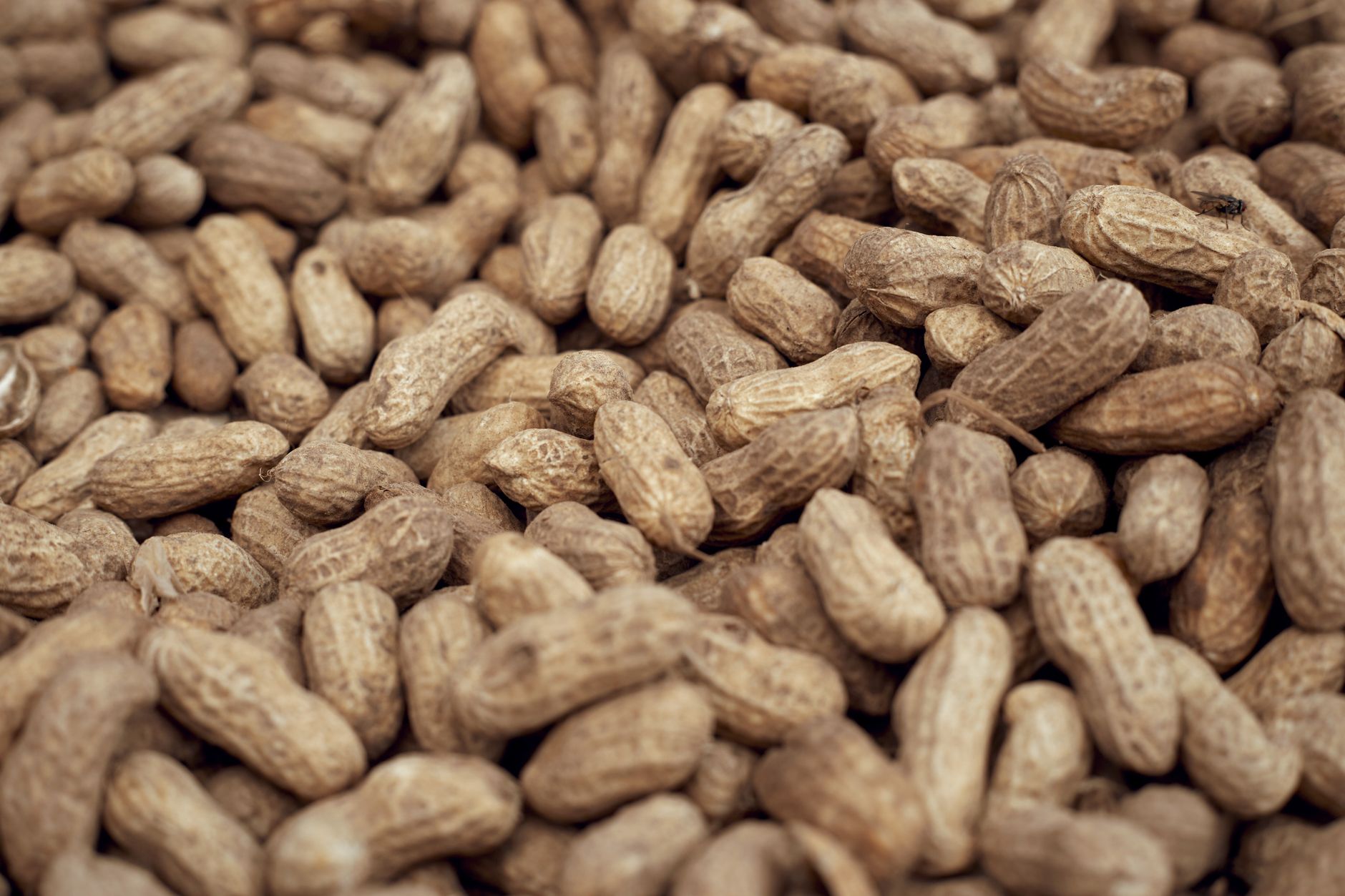
Peanuts are a versatile and beloved legume popular in cuisines around the world. They can be enjoyed in various forms, from whole roasted nuts to creamy peanut butter, making them an essential staple in many households. Understanding the nature of peanuts, their culinary uses, and nutritional benefits can enhance your cooking and snacking experiences.
This guide will delve into the intricacies of peanuts, exploring their varieties, preparation methods, and popular recipes. Whether you are a longtime peanut lover or new to this delicious legume, this article will offer valuable insights for your culinary adventures.
What Is A Peanut?
A peanut is a legume belonging to the plant family Fabaceae, primarily grown for its edible seeds. Unlike tree nuts, peanuts grow underground in pods, making them unique among nuts. Peanuts are rich in essential nutrients, including protein, healthy fats, vitamins, and minerals. They are popularly used in snacks, desserts, sauces, and dressings.
Origin and Cultivation of Peanuts
Peanuts originated in South America, specifically in regions of modern-day Brazil and Peru. They were cultivated by indigenous peoples long before European colonization. Today, peanuts are grown in various countries, with China, India, and the United States being the largest producers.
Peanuts thrive in warm climates and sandy soils, requiring a growing season of around 120 to 150 days. After flowering, the plant produces pegs that grow downward into the soil, where the peanuts develop within pods.
Types of Peanuts
There are several varieties of peanuts, each with distinctive flavors and uses. The most common types include:
- Virginia Peanuts: Known for their large size and crunchy texture, Virginia peanuts are often used for snacking and in gourmet dishes.
- Valencia Peanuts: Sweet and flavorful, these peanuts are commonly used in candy and peanut butter production. They typically contain three to six kernels per pod.
- Runner Peanuts: Popular for their uniform size, Runner peanuts are often used to make peanut butter due to their creamy texture and good oil content.
- Spanish Peanuts: Characterized by their reddish-brown skin and higher oil content, Spanish peanuts are often used in candy and snack foods.
Nutritional Benefits of Peanuts
Peanuts are not only delicious but also packed with nutritional benefits. A typical serving of peanuts (about 28 grams or a small handful) contains:
- Protein: Approximately 7 grams, making peanuts a great plant-based protein source.
- Healthy Fats: About 14 grams of fat, primarily monounsaturated and polyunsaturated fats, which are beneficial for heart health.
- Vitamins and Minerals: Peanuts are rich in vitamins E and B6, magnesium, phosphorus, and niacin.
- Antioxidants: Peanuts contain various antioxidants, including resveratrol, which may contribute to overall health.
Cooking with Peanuts
Peanuts can be used in a variety of culinary applications. Here are some popular ways to incorporate them into your meals:
Raw and Roasted Peanuts
Raw peanuts can be eaten as a snack or added to salads and grain dishes for extra crunch. Roasting peanuts enhances their flavor and makes them a delightful snack. To roast peanuts:
- Preheat your oven to 350°F (175°C).
- Spread raw peanuts in a single layer on a baking sheet.
- Roast for 10 to 15 minutes, stirring occasionally until they are golden brown.
- Allow to cool before serving or storing.
Peanut Butter
Peanut butter is a popular spread made by grinding roasted peanuts into a smooth or crunchy paste. Making your own peanut butter at home is simple:
- Roast peanuts as described above (optional, for extra flavor).
- Transfer the cooled peanuts to a food processor.
- Process on high speed for 2-3 minutes, stopping to scrape down the sides as necessary.
- Continue processing until the mixture is smooth and creamy. Add a pinch of salt or honey for flavor if desired.
Peanut Sauce
Peanut sauce is a versatile condiment that pairs well with Asian dishes, grilled meats, and salads. Here’s how to make a simple peanut sauce:
- In a bowl, whisk together 1/2 cup of peanut butter, 1/4 cup of soy sauce, 2 tablespoons of honey, and 1 tablespoon of lime juice.
- Add warm water a tablespoon at a time until the desired consistency is reached.
- Stir in minced garlic and ginger for additional flavor.
Popular Peanut Recipes
Now that you know how to cook with peanuts, here are a few popular recipes that feature this delightful ingredient:
Boiled Peanuts
Boiled peanuts are a traditional Southern snack that offers a unique flavor and texture. Here’s a basic recipe:
- 2 cups of raw peanuts
- 4 cups of water
- 1/4 cup of salt (adjust to taste)
- In a large pot, combine raw peanuts, water, and salt.
- Bring to a boil, then reduce heat to low and simmer for 2 to 3 hours, or until the peanuts are tender.
- Drain and cool before serving.
Peanut Butter Fudge
This rich and creamy peanut butter fudge is a sweet treat that’s easy to make:
- 1 cup of peanut butter
- 1/2 cup of unsalted butter
- 2 cups of powdered sugar
- 1 teaspoon of vanilla extract
- In a saucepan, melt peanut butter and butter over low heat until combined.
- Remove from heat and stir in powdered sugar and vanilla until smooth.
- Pour into a greased 8×8 inch pan and refrigerate until set. Cut into squares when firm.
Storing Peanuts
Proper storage of peanuts is crucial to maintaining their freshness and flavor. Here are some tips for storing peanuts:
- Raw Peanuts: Store raw peanuts in an airtight container in a cool, dry place, such as a pantry or refrigerator. They can last several months if properly kept.
- Roasted Peanuts: Place roasted peanuts in an airtight container at room temperature for up to a month. For extended freshness, refrigerate.
- Peanut Butter: Store peanut butter in a cool place and ensure it’s tightly sealed. It can last several months, but it’s best used within three months once opened.
Common Questions About Peanuts
Are Peanuts Healthy?
Yes, peanuts can be part of a healthy diet when consumed in moderation. They are rich in protein, healthy fats, and various vitamins and minerals, but high in calories, so it’s best to enjoy them in appropriate portions.
Do Peanuts Count as Nuts?
Despite the name, peanuts are not true nuts; they are legumes. However, they share many culinary uses and nutritional profiles with tree nuts.
Can You Be Allergic to Peanuts?
Yes, peanut allergies are common and can cause severe reactions in some individuals. It is essential to avoid peanuts if you have a known allergy and to check labels for possible cross-contamination.
Practical Cooking Tips with Peanuts
- When using peanuts in cooking, consider the roasting level: raw peanuts have a milder taste compared to roasted ones, which offer a richer flavor.
- For dishes needing a crunchy texture, choose whole roasted peanuts. For creamy applications, opt for smooth peanut butter.
- If making homemade peanut butter, consider adding flavors like cocoa or honey for unique variations.
- Chop peanuts finely or coarsely depending on the desired texture in your dish.
Substituting Peanuts in Recipes
In recipes where peanuts are called for, there are several substitutes you can consider if needed:
- Almonds: Whole or slivered almonds can be used in place of peanuts for a different nutty flavor and crunch.
- Pistachios: These can add a unique taste and beautiful color to salads and desserts if you prefer a change from peanuts.
- Sunflower Seeds: A good alternative for people with nut allergies, sunflower seeds bring a similar crunch.
- Cashews: They can be an excellent substitute in creamy sauces, lending a rich texture and flavor.
Conclusion
Peanuts are a remarkable ingredient with a rich history, diverse culinary uses, and numerous nutritional benefits. Whether you’re snacking on them raw, enjoying a peanut butter and jelly sandwich, or incorporating them into a delicious sauce, peanuts provide unique flavors and textures that enhance a wide array of dishes. Explore the extensive culinary possibilities they offer, and do not hesitate to experiment with various recipes and preparations.
For more ideas on using peanuts, try making boiled peanuts or indulge in delicious peanut butter fudge.