
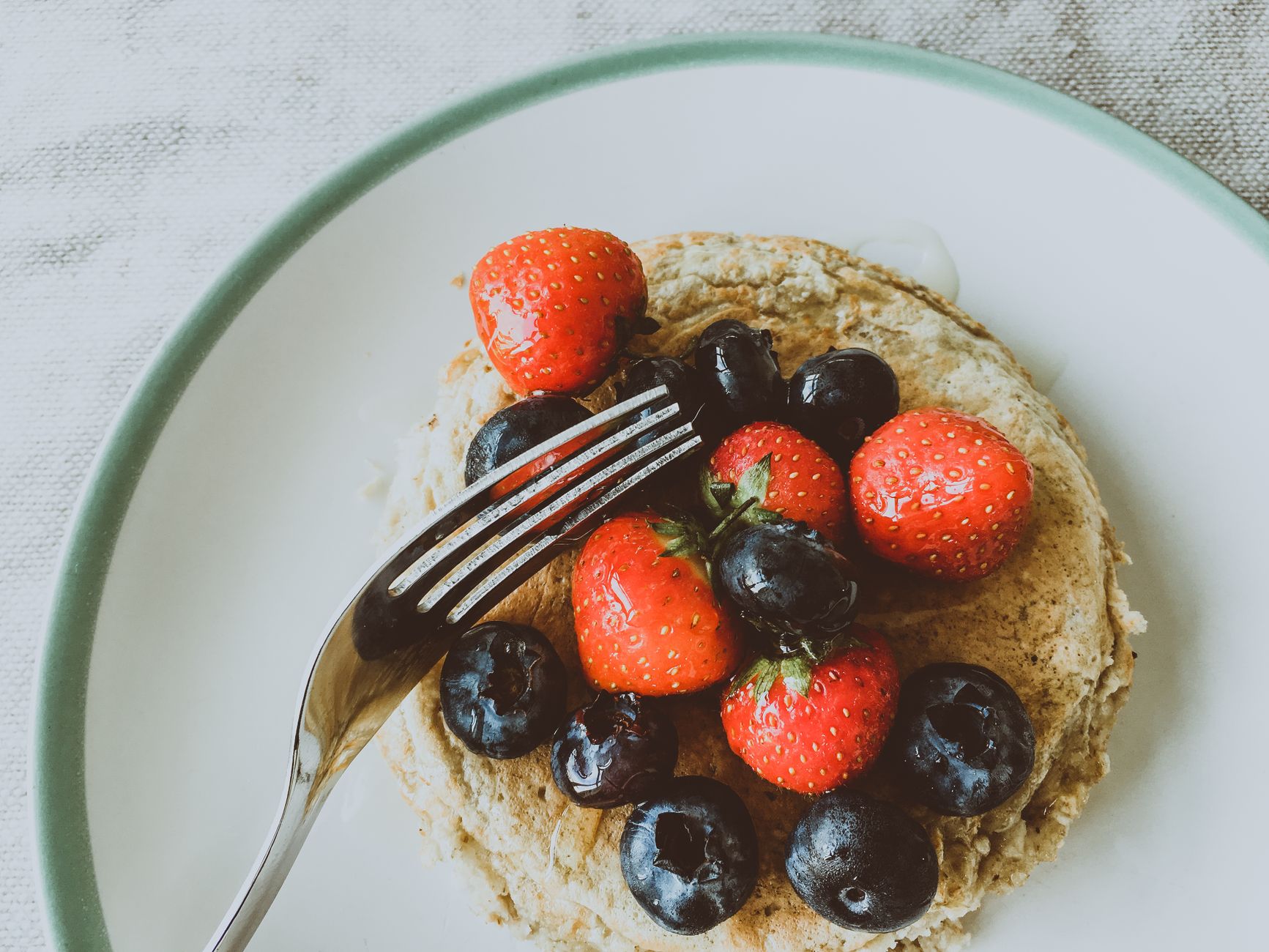
Many food enthusiasts may have encountered the unique and delightful dish known as a Dutch baby. Fluffy, airy, and reminiscent of a pancake, it is an oven-baked pancake that rises beautifully during baking, forming a dramatic and rustic presentation. This dish can be enjoyed at breakfast, brunch, or even as a dessert, showcasing its versatility and appeal.
In this article, we will explore what a Dutch baby is, its origins, how to make one, and various serving suggestions and tips for success. Whether you’re a seasoned cook or a newcomer to the kitchen, you’ll find useful information to whip up this delicious dish.
What Is A Dutch Baby?
A Dutch baby, often referred to as a Dutch baby pancake, is a type of baked pancake that originated in the United States but has European influences. It is made from a simple batter consisting mainly of flour, eggs, and milk. What sets it apart is how the batter puffs up while baking, creating a light, airy texture and a beautiful golden-brown crust.
Origins of the Dutch Baby
The term “Dutch baby” is believed to have originated in the early 1900s in a restaurant called Manca’s Cafe in Seattle, Washington. The dish was inspired by the German pancakes known as “pfannkuchen.” When a friend of the cafe’s owner, who was of German descent, suggested the name, “Dutch” was thought to refer to the Pennsylvania Dutch, a group of German immigrants in America.
Today, Dutch babies have gained popularity beyond their Seattle roots and are enjoyed across the globe in various forms and flavors. Their combination of simplicity and impressive presentation makes them a beloved choice for breakfast and brunch.
Ingredients Required
To prepare a classic Dutch baby pancake, you will need the following ingredients:
- 3 large eggs
- ½ cup all-purpose flour
- ½ cup milk
- 2 tablespoons granulated sugar
- ½ teaspoon vanilla extract (optional)
- ¼ teaspoon salt
- 2 tablespoons unsalted butter
- Optional toppings: powdered sugar, fresh fruit, maple syrup, or lemon juice
Essential Equipment
Before starting, gather the following equipment:
- Oven-safe skillet or cast-iron pan (10 to 12 inches in diameter)
- Mixing bowl
- Whisk or electric mixer
- Measuring cups and spoons
- Spatula
Step-by-Step Guide to Making a Dutch Baby
Here’s a simple method to prepare your Dutch baby pancake:
- Preheat your oven to 425°F (220°C).
- In a mixing bowl, whisk together the eggs until they are light and frothy.
- Add the flour, milk, sugar, vanilla extract (if using), and salt to the eggs. Mix until smooth. It’s okay if there are a few small lumps; don’t overmix.
- Place your skillet or cast-iron pan in the preheated oven for about 5 minutes, allowing it to heat up.
- Once heated, carefully remove the pan from the oven and add the butter, swirling it around to coat the bottom and sides.
- Immediately pour the batter into the hot skillet over the melted butter.
- Return the skillet to the oven and bake for about 20-25 minutes, or until the pancake is puffed and golden brown.
- Remove the Dutch baby from the oven and serve immediately, topped with your choice of powdered sugar, fresh fruit, maple syrup, or lemon juice.
Serving Suggestions and Toppings
The Dutch baby pancake can be served in many delightful ways, lending itself to various toppings based on personal preferences. Here are a few popular options:
- Powdered Sugar: A dusting of powdered sugar adds sweetness and elegance.
- Fresh Fruit: Slices of strawberries, blueberries, bananas, or sautéed apples are excellent choices.
- Maple Syrup: The classic combination of a warm pancake with maple syrup enhances its flavor.
- Lemon Juice: A squeeze of fresh lemon adds brightness and balances the sweetness.
- Whipped Cream: For a decadent touch, top with freshly whipped cream or a dollop of mascarpone cheese.
Tips for Success
To ensure your Dutch baby turns out perfectly, consider the following tips:
- Use a hot skillet: Preheating the pan is essential for achieving that puffy texture.
- Fresh Ingredients: Use fresh eggs and milk for the best flavor and rise.
- Avoid opening the oven: Resist the urge to peek while the pancake bakes, as this can cause it to fall.
- Serve immediately: Dutch babies are best enjoyed fresh out of the oven as they will start to deflate over time.
Common Mistakes & Troubleshooting
Even experienced cooks can encounter issues when making a Dutch baby. Here’s how to troubleshoot common mistakes:
- Pancake didn’t puff up: Ensure your oven is fully preheated and the skillet is hot before adding the batter.
- Pancake is dense: Overmixing the batter can lead to a rubbery texture; mix just until combined.
- Pancake stuck to skillet: Make sure you’ve adequately buttered the pan before pouring in the batter.
Variations on the Dutch Baby
The beauty of a Dutch baby lies not only in its classic form but also in its versatility. Here are a few variations to try:
- Savory Dutch Baby: Add cheese, herbs, and sautéed vegetables to the batter for a savory twist.
- Chocolate Dutch Baby: Blend cocoa powder or chocolate chips into the batter for a rich dessert option.
- Spiced Dutch Baby: Incorporate cinnamon, nutmeg, or pumpkin spice for a seasonal flair.
- Grain-Free Option: Substitute the all-purpose flour for almond flour or coconut flour in recipes designed for low-carb diets.
Storage and Reheating Guidance
If you have leftover Dutch baby, it can be stored in an airtight container in the refrigerator for up to 3 days. To reheat, place it in a preheated oven at 350°F (175°C) for about 10-15 minutes until warmed through. Note that the pancake may not retain its initial puffiness after reheating, but it will still be delicious.
Making Ahead
While the batter is best prepared and cooked fresh, you can mix the dry ingredients ahead of time and store them in an airtight container. When ready to cook, simply whisk in the eggs and milk. Remember to preheat your skillet in the oven before adding the batter for the best result.
Conclusion
A Dutch baby pancake is a delightful and impressive dish that combines simplicity with beautiful presentation. Whether enjoyed as a sweet breakfast treat or a savory meal, it is highly adaptable to various flavors and toppings. By following the guidance provided in this article, you can create a delightful Dutch baby that will surely impress family and friends.
If you would like to enhance your culinary skills further, consider exploring our guides on baking techniques and creative meal ideas to complement your cooking repertoire.