
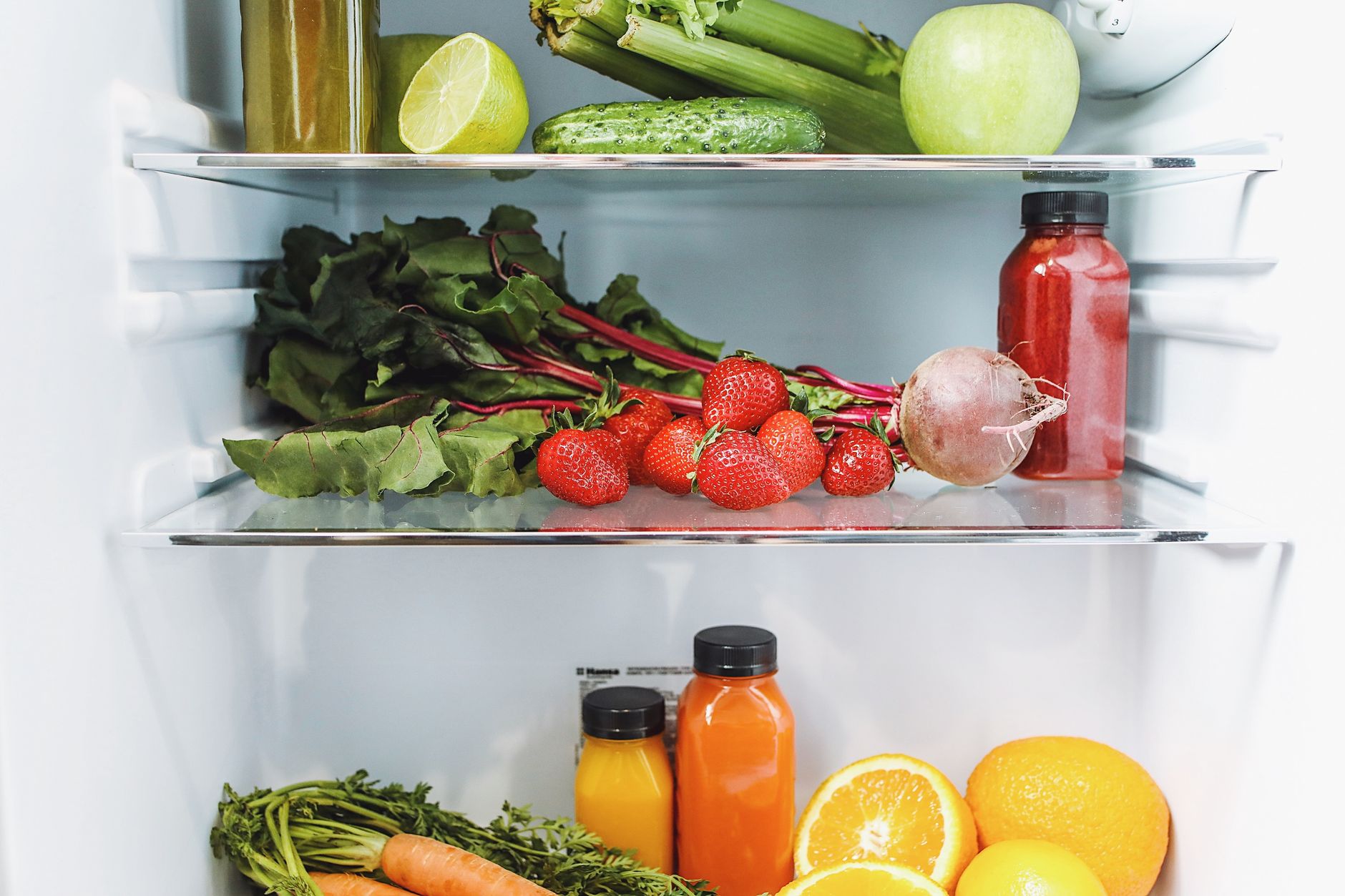
Understanding the shelf life of apples is key to preventing waste and enjoying their crisp, juicy flavor at its best. Proper storage can significantly extend how long these nutritious fruits remain fresh. In this article, we will explore how long apples last in the fridge, the best storage methods, signs of spoilage, and practical tips for getting the most out of your apples.
Apples are a versatile fruit that can be enjoyed raw, baked, or cooked in various dishes. Knowing how to store them correctly helps maintain their crunchiness and flavor. This guide will provide comprehensive insights into keeping your apples fresh for as long as possible.
How Long Are Apples Good For In The Fridge?
Apples can typically be stored in the fridge for 4 to 6 weeks, depending on their variety and freshness at the time of purchase. Keeping them in the crisper drawer, which maintains higher humidity, helps prolong their life. Factors such as storage temperature and presence of ethylene gas from other fruits play a crucial role in determining their longevity.
Factors Affecting Apple Storage Life
Several environmental elements impact how long apples stay fresh in the refrigerator.
1. Type of Apple
Different apple varieties have varying shelf lives. For instance, Granny Smith apples tend to last longer than Gala or Fuji apples due to their firmer texture and higher acidity levels.
2. Freshness at Purchase
The freshness of the apples when purchased is paramount. Selecting apples with firm skin and no blemishes can lead to longer shelf life. If an apple is already starting to soften, it may not last as long in your fridge.
3. Storage Temperature
Storing apples in a refrigerator set to the correct temperature (around 32°F to 40°F or 0°C to 4°C) will help maintain their freshness. Higher temperatures can lead to faster spoilage.
4. Ethylene Gas
Apples produce ethylene gas, which can speed up ripening and spoilage. When stored with other fruits that also emit ethylene, such as bananas, this process can be accelerated, so it’s wise to separate ethylene producers from sensitive fruits.
Best Practices for Storing Apples in the Fridge
Proper storage techniques can help ensure your apples remain fresh for as long as possible.
1. Keep Them Whole
Storing apples whole rather than cutting them extends their shelf life. Once an apple is cut, it is exposed to air, leading to browning and faster spoilage.
2. Use the Crisper Drawer
Place apples in the crisper drawer of your fridge, where the humidity is higher. A plastic produce bag or a perforated bag can help maintain optimal humidity and airflow.
3. Separate from Other Fruits
To minimize ethylene exposure, store apples away from other fruits. This does not only prolong their freshness but also helps prevent spoilage of more sensitive items.
4. Monitor and Remove Bad Apples
Check your apples regularly for signs of spoilage, such as soft spots or mold. Remove any damaged apples immediately to prevent them from affecting others.
Signs Your Apples Have Gone Bad
Recognizing the signs of spoilage is key to ensuring you are consuming good quality fruit. Here are some factors to consider.
1. Softness
If an apple feels soft or mushy to the touch, it likely has started to spoil. Fresh apples should feel firm when gently squeezed.
2. Discoloration
Dark spots or blemishes can indicate rot. While some surface marks might not affect the taste, deep bruising or significant discoloration suggests spoilage.
3. Mold
Any visible mold on the skin or stem end is a clear sign that the apple should be discarded.
4. Off Smell
Unpleasant or sour smells can indicate that the apple has started to ferment and is no longer safe to eat.
Tips for Extending Apple Shelf Life
Implementing specific food storage techniques can further enhance the shelf life of your apples.
1. Choose the Right Apples
When grocery shopping, opt for apples that are already firmer and have no bruises. Inspecting the apples before purchase is essential for ensuring that you’re buying quality fruit.
2. Store in a Cool, Humid Environment
For best results, store apples in the refrigerator rather than at room temperature to extend their freshness.
3. Wrap Individually
If you want to be extra cautious, consider wrapping each apple in a paper towel. This helps absorb excess moisture and can protect them from bruising in the fridge.
4. Freeze for Longer Storage
If you have an overabundance of apples, consider freezing them. Peel, core, and slice them before blanching in boiling water for one minute, then plunge into ice water. After drying, spread the slices on a baking sheet and freeze them before transferring to a freezer-safe bag. They can last up to a year when frozen.
Utilizing Apples Before They Spoil
It is important to use your apples creatively before they reach the point of spoilage. Here are some ideas:
1. Delicious Snacks
Enjoy apples as a snack on their own, paired with nut butter, cheese, or yogurt for a nutritious treat.
2. Baking and Cooking
Use apples in various baked goods like pies, crumbles, or muffins. Cooking them down into applesauce is another excellent option to use apples before they spoil.
3. Salads and Savory Dishes
Add chopped or shredded apples into salads for a crunchy texture or incorporate them in savory dishes, such as roasted pork with apples.
4. Juicing and Smoothies
Blend apples into smoothies or juice them for a refreshing drink. This is a great way to use apples that have begun to soften but are still safe to eat.
Conclusion
Apples can last in the fridge for 4 to 6 weeks when properly stored. Understanding how to store them, recognizing signs of spoilage, and utilizing them creatively can prevent waste and ensure you enjoy this delicious fruit at its best. Implementing the tips discussed will help you minimize waste and savor the fresh flavors of apples longer.
For more cooking tips and delicious recipe ideas, explore our guides on honey glaze recipes and ingredient substitutions like rosemary.