
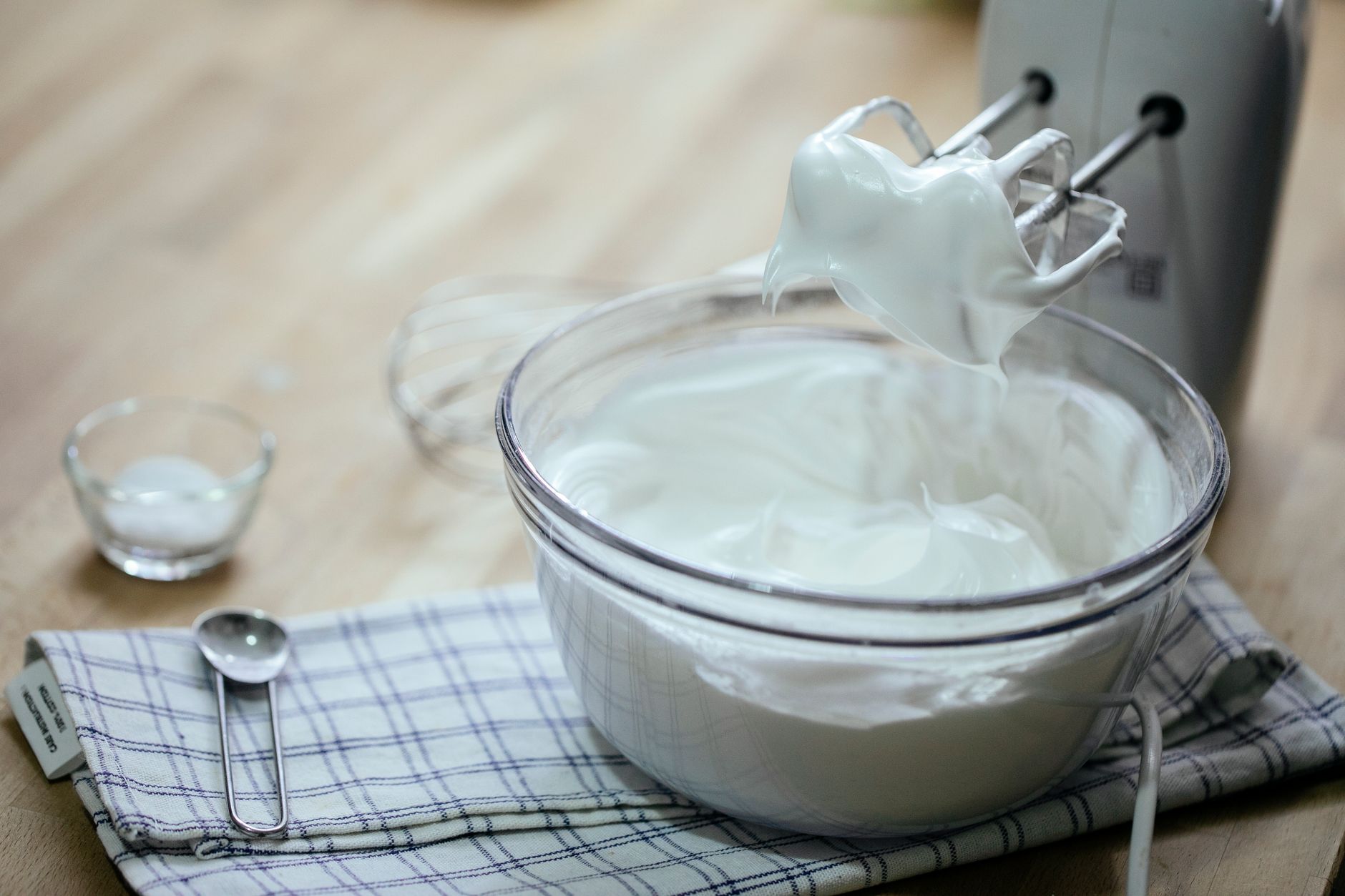
Heavy whipping cream, often referred to simply as heavy cream, is a rich dairy product widely used in cooking and baking. It contains a high fat content, typically around 36% to 40%, which gives it its luxurious texture and flavor. This versatile ingredient can be used in a range of dishes, from creamy pasta sauces to decadent desserts.
Understanding heavy whipping cream can elevate your cooking and baking skills. It’s essential to know how to incorporate it seamlessly into recipes, possible substitutions, and storage tips to make the most of this delightful ingredient.
What Is Heavy Whipping Cream?
Heavy whipping cream is a dairy product made from the cream that rises to the top during the milk processing stage. Its high-fat content allows it to be whipped into a stable foam, making it a favorite for toppings, fillings, and sauces. The process of making heavy cream involves separating the fat from the milk, which gives it a thick, luscious consistency.
Nutritional Profile of Heavy Whipping Cream
Heavy whipping cream is calorie-dense due to its high fat content. While it provides essential nutrients, such as vitamins A and D, it is best used in moderation as part of a balanced diet. Here’s a quick overview of the nutritional content per tablespoon of heavy whipping cream:
| Nutrient | Amount per tablespoon (15g) |
|---|---|
| Calories | 51 |
| Total Fat | 5.5g |
| Saturated Fat | 3.5g |
| Cholesterol | 20mg |
| Carbohydrates | 0.4g |
| Protein | 0.3g |
How to Use Heavy Whipping Cream?
This luscious ingredient can be used in various culinary applications. Here are some common uses:
- Whipped Topping: Heavy cream is perfect for making stabilized whipped cream, ideal for topping cakes, ice creams, and desserts.
- Culinary Sauces: It can be added to sauces, such as Alfredo or mushroom sauce, to create a creamy texture.
- Soups and Chowders: Incorporating heavy cream into soups adds richness and a velvety mouthfeel.
- Baking: Heavy cream can enhance the texture of cakes, muffins, and scones by adding moisture.
- Custards and Puddings: It is a key ingredient in custards and creamy desserts.
Incorporating Heavy Whipping Cream Into Recipes
Making Whipped Cream
To make whipped cream, begin with chilled heavy whipping cream. The cold temperature aids in achieving a stable form. Here’s the process:
- Pour the heavy whipping cream into a mixing bowl.
- Using an electric mixer, whip the cream on medium speed until soft peaks form.
- Gradually add sugar (if desired) and vanilla extract for flavor.
- Continue whipping until stiff peaks form—be careful not to overbeat.
Using Heavy Cream in Sauces
Heavy whipping cream is excellent for sauces as it can create a silky texture. To incorporate it into a sauce:
- Start by sautéing aromatics, such as garlic or onions, in butter.
- Add broth or wine and let it reduce slightly.
- Lower the heat and gradually stir in heavy whipping cream.
- Simmer until thickened for a rich sauce.
Baking with Heavy Whipping Cream
Heavy cream can replace milk or butter in baking to create moist and rich baked goods. Here’s how to substitute it:
- Replace half the milk in recipes with heavy whipping cream for fluffier results.
- Use heavy cream instead of butter for a denser cake texture.
Substituting Heavy Whipping Cream
If you run out of heavy whipping cream or need a lighter alternative, several substitutes can work well, although they may alter the flavor and texture slightly:
- Half-and-Half: This dairy mixture of milk and cream has a lower fat content. Use a 1:1 ratio for most recipes, but be aware it won’t whip as well.
- Milk with Butter: Mix 3/4 cup of milk with 1/4 cup of melted butter for a close substitute. This works well in baking but will not whip.
- Coconut Cream: A great dairy-free alternative. To use, chill a can of full-fat coconut milk overnight and scoop out the thick cream.
- Silken Tofu: Blended silken tofu can replace heavy cream in some savory dishes for a low-fat option.
Common Mistakes When Using Heavy Whipping Cream
Working with heavy whipping cream can be straightforward, but certain missteps can occur. Here are some common mistakes to avoid:
- Overbeating: If you whip heavy cream too long, it can turn into butter. Aim for stiff peaks—stop once the peaks hold their shape.
- Not Chilling Equipment: For whipped cream, ensure your bowl and beaters are chilled to help achieve better volume.
- Using Heavy Cream in Cooking Too Early: Adding heavy cream too early in the cooking process can lead to curdling. Add it later for best results.
Storage and Shelf Life
Proper storage is essential to maintain the quality of heavy whipping cream. Follow these guidelines:
- Refrigeration: Always store opened heavy whipping cream in the refrigerator. It should be tightly sealed to prevent contamination and should ideally be used within a week.
- Freezing: Heavy whipping cream can be frozen for longer storage. Pour it into an airtight container, leaving some space for expansion. It may separate after thawing, so shake well before use.
Conclusion
Heavy whipping cream is a versatile and rich ingredient that can enhance a multitude of recipes, from savory sauces to sweet desserts. Understanding its properties and best practices can help you make the most of this delightful dairy product. Start experimenting with heavy whipping cream in your favorite recipes today.
If you’re looking for inspiration in the kitchen, explore our delicious cinnamon roll recipe with heavy cream or learn about substituting milk for heavy cream. There’s always a new dish to create!