
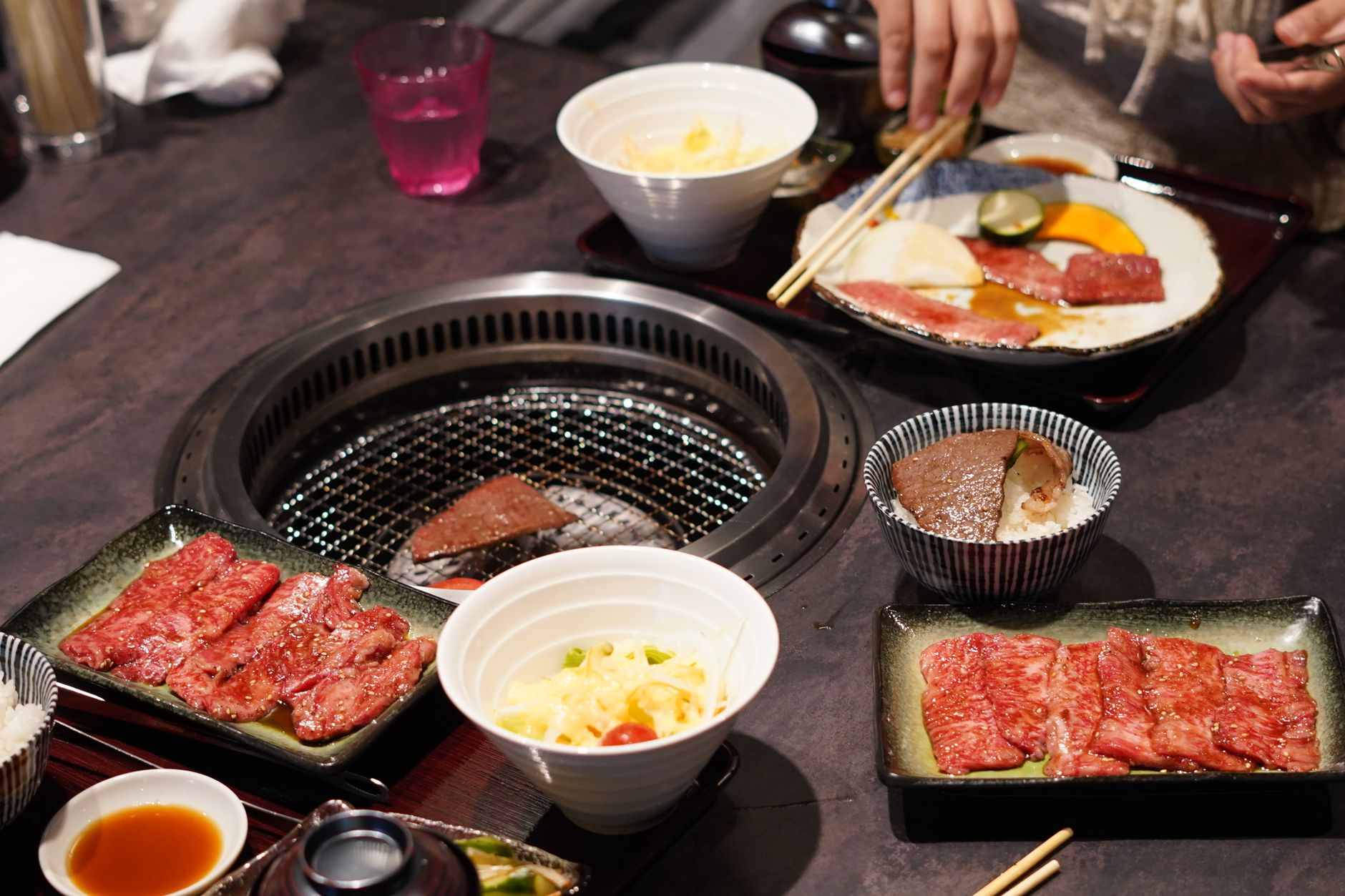
Yakiniku is a flavorful and communal Japanese cooking style that translates to “grilled meat.” It allows diners to enjoy high-quality cuts of meat and vegetables grilled at the table, providing a unique dining experience. As both an art and a science, yakiniku combines various elements, from the choice of ingredients to grilling techniques.
Not only is it a culinary delight, but it also embodies a social gathering, making it an excellent choice for family meals, gatherings, or occasions. In this article, we will explore the origins of yakiniku, the types of ingredients used, preparation methods, and how to recreate this experience at home.
What Is Yakiniku?
Yakiniku is a Japanese term for grilled meat, and it typically involves grilling bite-sized pieces of beef, pork, chicken, and vegetables over a charcoal, gas, or electric grill. The meat is often marinated or seasoned with soy sauce, sesame oil, garlic, and other aromatic ingredients to enhance its flavor.
History and Origins of Yakiniku
The concept of grilling specific cuts of meat dates back to the early 20th century in Japan. Initially influenced by Western-style cooking and barbecue techniques, yakiniku became a popular way for Japanese people to enjoy grilled meat. It gained traction in the post-World War II era as Western cuisine started to infiltrate Japanese culture.
Over the years, yakiniku has evolved, and now it is commonly found in restaurants across Japan and around the world. Today, diners can choose from a variety of beef cuts, dipping sauces, and grilling methods, making each experience unique.
The Yakiniku Experience
Yakiniku is not just about the food; it’s a dining experience that promotes social interaction. Here are some key components that contribute to the yakiniku experience:
- Table-Top Grilling: Most yakiniku restaurants feature a grill in the center of the table, allowing diners to grill their food to desired doneness directly in front of them.
- Variety and Customization: Diners can choose from an array of meats and vegetables and can grill them to their exact preference.
- Dipping Sauces: Yakiniku is typically served with various dipping sauces, such as tare (sweet soy sauce) or salt, which enhance the flavors of the grilled meats.
Essential Ingredients for Yakiniku
The beauty of yakiniku lies in its simplicity, relying on high-quality ingredients. Below are the primary ingredients used in creating a delicious yakiniku meal:
Meats
- Beef: The star of many yakiniku dishes, popular cuts include ribeye, short rib, sirloin, and tongue. Each cut provides different flavors and textures, making it essential to choose quality meat.
- Pork: Pork belly is a favorite for its rich flavor and tender texture. Other options include pork loin and shoulder.
- Chicken: Chicken thigh or breast may also be utilized, offering a lighter option for diners.
- Offal: Many yakiniku establishments serve offal cuts like liver and heart, often favored by adventurous eaters.
Vegetables and Accompaniments
- Vegetables: Commonly grilled vegetables include bell peppers, mushrooms, zucchini, and onions. These can be seasoned with salt or dipping sauce.
- Rice: Yakiniku is often served with a side of steamed rice, providing a neutral base to balance the rich flavors of grilled meat.
- Salads: A light salad can accompany yakiniku, providing a refreshing contrast to the grilled meats.
Seasonings and Marinades
- Tare Sauce: A traditional marinade and dipping sauce made from soy sauce, mirin, and sugar, often infused with garlic and ginger for flavor.
- Salt: Simple salt is also a popular option, especially for high-quality cuts that can shine with minimal seasoning.
- Goma (Sesame) Sauce: Another dipping option that pairs well with grilled meats, made from ground sesame seeds, soy sauce, and vinegar.
Preparing Yakiniku at Home
Creating a yakiniku experience at home can be fun and rewarding. Here’s how to prepare and enjoy this delicious dish:
Essential Equipment
- Grill: While charcoal is preferred for its distinct smoky flavor, a gas or electric grill works well too. Ensure you have a grill suitable for table-top use.
- Grilling Utensils: Long tongs and spatulas are essential for flipping and handling meats and vegetables on the grill.
- Cutting Board and Knife: Use these to slice your meat and vegetables into small, even pieces for grilling.
- Serving Platter: For serving grilled meat and vegetables directly from the grill to the table.
Step-by-Step Preparation
- Select Your Ingredients: Choose a variety of beef, pork, chicken, and vegetables. Look for fresh, high-quality items at your local market.
- Marinate Your Meats: If using tare sauce, marinate your meats for at least 30 minutes to an hour. This process enhances flavor and tenderness. Ensure to marinate offal if included.
- Prepare Vegetables: Wash and cut vegetables into uniform shapes for even grilling. Consider lightly seasoning with salt.
- Set Up the Grill: If using a charcoal grill, light it and let the coals reach an even heat. For gas or electric, preheat your grill according to the manufacturer’s instructions.
- Grill the Ingredients: Begin grilling the meats first, as they typically require more time. Use tongs to flip and check doneness. Most cuts take only a few minutes per side.
- Cook Vegetables: Add vegetables to the grill, ensuring they do not overcook. Monitor them closely since they can cook more quickly than meat.
- Serve and Enjoy: Transfer grilled items to a serving platter and enjoy hot with dipping sauces and rice.
Common Mistakes and Troubleshooting
When preparing yakiniku at home, keep these common mistakes in mind to ensure a successful experience:
- Overcooking the Meat: Watching the meat carefully as it cooks is crucial, as overcooked meat can become tough. Cut into a piece to check doneness, or use a meat thermometer to achieve your desired temperature.
- Insufficient Marinades: Marinating meat for too little time can result in less flavorful dishes. Aim for at least 30 minutes for effective absorption.
- Grill Temperature: Ensure your grill is at the right temperature before adding food. A cool grill can lead to uneven cooking, while an extremely hot grill may char items too quickly.
Serving Suggestions for Yakiniku
Enhancing your yakiniku presentation and experience can elevate the meal further. Here are some serving suggestions:
- Presentation: Arrange grilled meats and vegetables on a large platter, garnishing with sesame seeds and green onions for added color and flavor.
- Include Dipping Sauces: Provide a selection of sauces, such as tare or goma, allowing guests to customize each bite according to their taste.
- Pair with Drinks: Yakiniku pairs delightfully with Japanese beers, sake, or refreshing green tea, creating a well-rounded dining experience.
Making Ahead and Storage
When planning yakiniku for a larger gathering or simply looking to save time, consider these make-ahead tips:
- Marinade in Advance: Prepare the marinade the night before and marinate your meats accordingly. This will save time on the day of your gathering.
- Pre-Slice Ingredients: You can cut vegetables and meat ahead of time, storing them covered in the refrigerator until you are ready to grill.
- Leftover Storage: Store any leftover cooked ingredients in an airtight container in the refrigerator and consume within two to three days. Reheat gently on the grill or stovetop.
Variations of Yakiniku
Yakiniku can be tailored to fit cultural preferences, available ingredients, or specific dietary needs. Here are a few variations to consider:
Regional Variations
- Korean BBQ: Influenced by yakiniku, Korean barbecue often features marinated meats and is grilled similarly in a social setting.
- Negiyaki: This variation focuses on grilling with green onions and often features the addition of batter in the grilling process.
- Sukiyaki: While slightly different, sukiyaki involves simmering thin slices of meat and vegetables in a sweet soy sauce broth, served with raw egg for dipping.
Vegetarian and Vegan Yakiniku
- Meat Alternatives: With the rise of plant-based diets, using marinaded tofu, seitan, or tempeh as the main ingredient can create a delicious vegetarian option.
- Focus on Vegetables: Grilling an array of seasoned vegetables can create a flavorful and satisfying dish without any meat.
Conclusion
Yakiniku is an exciting and interactive dining experience that invites people to come together around deliciously grilled meats and vegetables. By selecting quality ingredients, using proper techniques, and embracing the communal aspect of grilling, you can create a wonderful yakiniku atmosphere right in your home. So gather your family or friends, set up the grill, and enjoy this delightful Japanese tradition.
To explore more culinary creations, check out the succulent gyudon recipe or learn how to whip up a flavorful hibachi sauce. Happy grilling!