
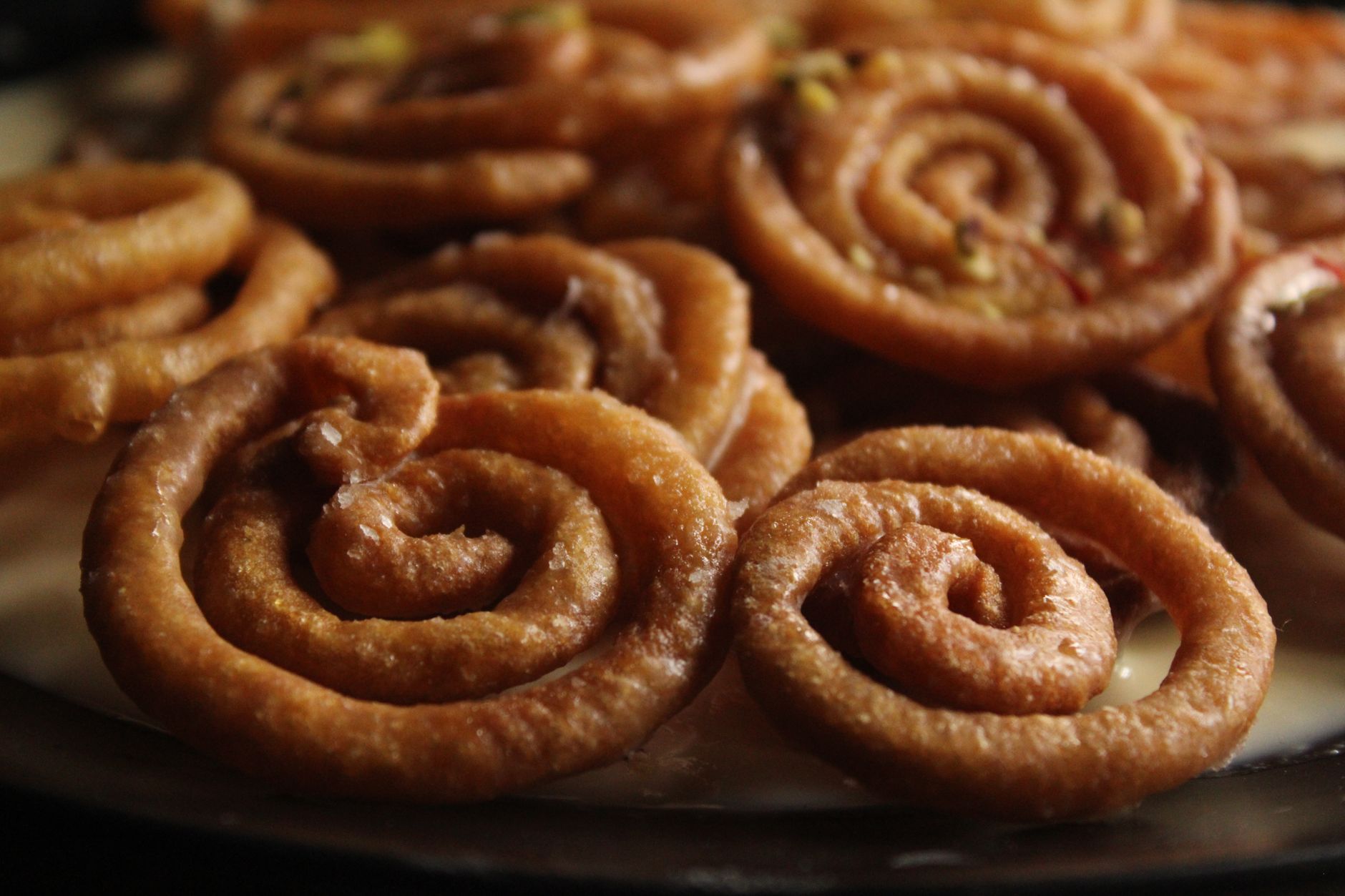
Jelabi, commonly known as Jalebi in various regions, is a popular Indian sweet treat favored for its unique taste and visual allure. Made from fermented batter and shaped into spirals, then fried and soaked in sweet syrup, jalebi offers an irresistible combination of crunchy and syrupy textures.
This article explores the origins, preparation methods, variations, and serving suggestions for jalebi, making it easy for you to understand and enjoy this delightful dessert. Whether you’re a home cook looking to expand your sweet repertoire or simply a fan of vibrant regional sweets, this guide will provide you with all the details you need.
What Is Jelabi?
Jelabi is a traditional Indian dessert made from fermented flour batter that is shaped, fried until crispy, and soaked in a sweet sugar syrup. Its vibrant orange hue and unique spiral shapes make it an attractive addition to any festive occasion. Jelabi is not only enjoyed in India but also in South Asia and various parts of the Middle East, where it is often served during celebrations or as a street food treat.
Ingredients Used in Jelabi
- All-purpose flour (maida)
- Plain yogurt
- Turmeric (for color)
- Water
- Sugar
- Lemon juice or rose water (for flavor)
- Cooking oil (for frying)
Key Ingredients Explained
Each ingredient plays a significant role in the preparation of jelabi:
- All-purpose flour: The base of the batter, providing structure and a chewy texture.
- Yogurt: Introduces acidity to help with fermentation, contributing to the lightness of the final product.
- Turmeric: A natural dye that gives jelabi its characteristic yellow-orange color.
- Sugar: The main sweetener that creates the syrup for soaking the fried rings.
- Lemon juice or rose water: Enhances the flavor of the syrup, adding a touch of freshness.
- Oil: Provides the medium for frying, creating a crisp exterior.
Preparing Jelabi: A Step-by-Step Guide
Making jelabi involves several steps, including preparing the batter, frying, and soaking it in syrup. It may take some practice, but the results are well worth the effort.
Yield and Timing
Yield: Approximately 15-20 pieces
Preparation Time: 30 minutes (plus fermentation time)
Cooking Time: 30 minutes
Total Time: 1 hour 30 minutes (excluding fermentation factor)
Ingredients List
- 1 cup all-purpose flour
- 1/2 cup plain yogurt
- 1/4 teaspoon turmeric powder
- 3/4 cup water (adjust as needed)
- 1 cup sugar
- 1/2 cup water (for syrup)
- 1 tablespoon lemon juice or 1 teaspoon rose water
- Oil for frying
Essential Equipment
- Mixing bowl
- Whisk or spoon
- Frying pan or deep fryer
- Spatula or slotted spoon
- Heavy-bottomed saucepan (for syrup)
- Plastic or piping bag (for shaping the batter)
- Plate lined with paper towels (for draining)
Step-by-Step Directions
- Prepare the batter: In a mixing bowl, combine the all-purpose flour, yogurt, turmeric powder, and water. Mix until you reach a smooth, lump-free batter. Allow it to rest for about 2 hours, allowing for fermentation and enhanced flavor.
- Make the syrup: In a heavy-bottomed saucepan, combine 1 cup of sugar and 1/2 cup of water. Bring to a boil, stirring until the sugar dissolves. Allow the syrup to simmer for 5-7 minutes until slightly thickened. Remove from heat and add lemon juice or rose water. Allow cooling slightly.
- Heat the oil: In a frying pan or deep fryer, add enough oil for deep frying. Heat the oil over medium heat. To check readiness, drop a small amount of batter; if it sizzles and rises, the oil is ready.
- Shape and fry the jalebi: Pour the batter into a piping bag with a small round tip or cut the corner of a plastic bag. Once the oil is ready, carefully squeeze the batter into spiral shapes (like a figure eight) directly into the hot oil. Fry for 2-3 minutes on each side or until golden brown and crispy.
- Soak in syrup: Using a slotted spoon, remove the fried jalebi and immediately place them in the warm syrup. Allow them to soak for about 5 minutes, turning them to ensure even coverage. Remove from syrup and place on a plate lined with paper towels to drain excess syrup.
- Serve: Enjoy the jalebi warm for the best texture, alone or as a complement to other traditional dishes like rabri, a sweetened milk dish.
Common Mistakes When Making Jelabi
Here are some common mistakes and troubleshooting tips:
- Thick batter: If the batter is too thick, it will not create the desired texture. Adjust the mixture by adding water gradually until it reaches a smooth consistency.
- Insufficient fermentation: Allow enough time for fermentation; this is crucial for flavor development and proper texture. Aim for a minimum of two hours.
- Temperature of oil: If the oil is too hot, the jalebi will burn before cooking through. If too cool, they will absorb excess oil. Maintain medium heat throughout the frying process.
- Syrup temperature: Use warm syrup for soaking jalebi; hot syrup can break the fried pieces apart, while cold syrup will fail to infuse sweetness effectively.
Variations of Jelabi
Jelabi offers a versatile canvas for experimentation. Here are some popular variations:
- Color Variations: Experiment with different food colors for visual appeal: vibrant orange, yellow, or even green themes.
- Flavor Infusions: Add flavors to the batter like cardamom or saffron for Indian-inspired twists.
- Stuffed Jelabi: Some regional variations include filling the batter with a sweetened paneer or khoya before frying, adding a dimension of richness.
- Desi Style: In some areas, jalebi is paired with besan (gram flour) fritters for a delightful contrast of textures.
Serving Suggestions for Jelabi
Jelabi is a delightful treat that can be served in various ways:
- Traditionally served warm during festivals like Diwali or Eid.
- Often enjoyed with a side of rabri as a dipping sauce.
- Can be served as part of a larger sweet platter during celebrations.
- Popular as street food paired with other snacks such as samosas or kachoris.
- Can be enjoyed with a cup of tea or milk for a comforting snack.
Storing and Reheating Jelabi
To best enjoy jelabi, consider the following storage options:
- Short Term: Jelabi can be kept at room temperature in an airtight container for up to two days.
- Long Term: For extended storage, place in the refrigerator; it will last about a week, although the texture may change.
- Reheating: If refrigerated, reheat in a microwave or dry skillet to refresh the texture before serving.
Exploring Regional Variations of Jelabi
Different regions have unique takes on jelabi, influenced by local ingredients and culinary traditions. Here are a few examples:
- Pakistani Jalebi: Known for its light and crispy texture, sometimes infused with cardamom flavor. It often appears alongside other traditional snacks like chai.
- Middle Eastern Versions: In countries like Iran, similar dishes called “Zalabia” are prepared, usually with variations in syrup flavoring, including rose water and orange blossom.
- Bengali Jolbhora: This version has a stuffing of khoya (reduced milk), making it richer and creamier.
Final Thoughts on Jelabi
Jelabi is more than just a dessert; it’s a symbol of celebration and cultural richness in various countries. Experimenting with the techniques and ingredients can yield delicious treats that fit your preference. Whether prepared traditionally or with personal twists, getting hands-on with jelabi can be an enjoyable experience that brings on sweet moments.
For those who appreciate crafting homemade desserts, exploring related recipes like chia pudding or learning about ingredients like molasses can add further variety to your culinary journey. Happy cooking!