
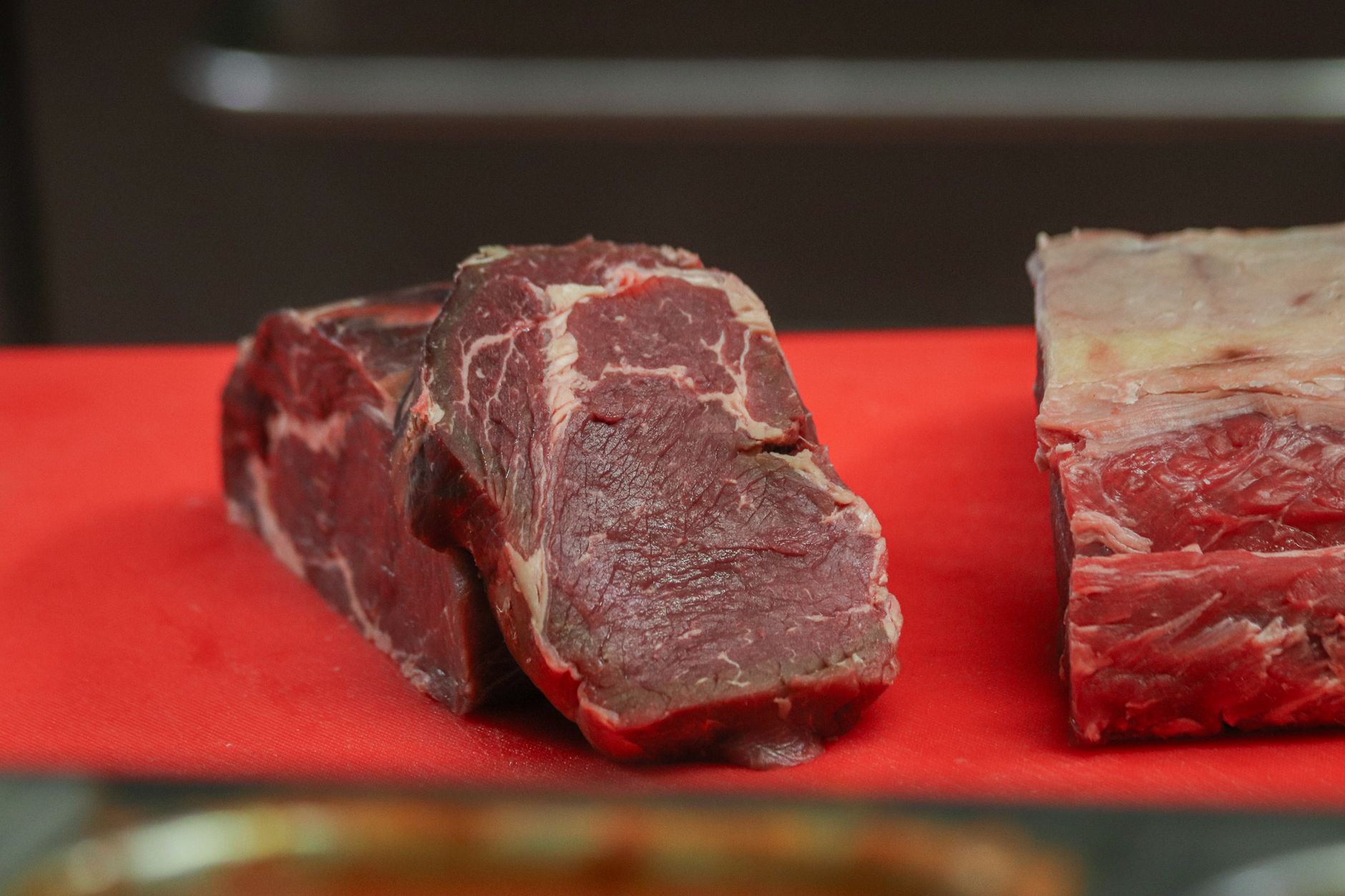
Red meat is a staple in many diets and encompasses a variety of animal products. Understanding what constitutes red meat is crucial for making informed dietary choices. This article explores the different types of red meat, their culinary uses, nutritional aspects, and practical serving ideas.
Red meat primarily includes beef, lamb, pork, and goat, among others. It contrasts with white meat, which includes poultry and fish. In this guide, we will delve into the characteristics of red meat, how it can be cooked, various uses in recipes, and tips for serving and storing.
What Meats Are Red Meat?
Red meat includes a range of meats that are darker in color than white meats. The following are the most common types of red meat:
- Beef: This is the most widely consumed red meat and comes from cattle. Cuts of beef can range from tenderloin and ribeye to brisket and flank.
- Lamb: Meat from young sheep is known for its delicate flavor and tenderness. Popular cuts include leg, rack, and shoulder.
- Pork: Although often categorized as white meat, pork is classified as red meat due to its higher myoglobin content. Common cuts include loin, shoulder, and belly.
- Goat: A lean meat choice that is popular in many cultures, goat meat can be particularly flavorful and is commonly used in stews and curries.
- Venison: This refers to the meat of deer and is leaner than beef. Cuts include steaks, roasts, and ground venison.
- Bison: A leaner alternative to beef, bison has a rich flavor. It is increasingly popular in burgers and steaks.
- Rabbit: While often considered a game meat, rabbit is classified as red meat and has a mild flavor that is versatile in cooking.
Nutritional Aspects of Red Meat
Red meat provides several important nutrients that support a balanced diet. However, it’s essential to consume it judiciously due to the associated health considerations.
Vitamins and Minerals
Red meat is an excellent source of various essential nutrients, including:
- Iron: Red meat is rich in heme iron, which is more readily absorbed by the body than non-heme iron found in plant sources.
- Zinc: Important for immune function and cell growth, red meat is one of the best dietary sources of zinc.
- Vitamin B12: Crucial for nerve function and the production of red blood cells, vitamin B12 is naturally found only in animal products.
- Protein: High-quality protein in red meat provides all essential amino acids needed for muscle maintenance and repair.
Health Considerations
Despite its benefits, red meat consumption has been linked to certain health issues, especially when consumed in large amounts. Here are some considerations:
- Excessive red meat intake has been associated with an increased risk of heart disease, certain cancers, and type 2 diabetes.
- It is advisable to choose lean cuts of red meat and limit processed forms, such as sausages and bacon.
- Balancing red meat with a variety of other protein sources, such as poultry, fish, legumes, and nuts, can contribute to a healthier diet.
Cooking Techniques for Red Meat
Red meat can be prepared using various techniques that enhance its flavor and texture. Here are some common methods:
Grilling
Grilling is a popular method for cooking cuts like steaks and chops. This method imparts a smoky flavor and achieves a nice sear. Keep the heat high to sear the meat quickly and lock in juices. Use a meat thermometer to ensure it reaches the desired doneness.
Roasting
Roasting is ideal for larger cuts such as rib roasts and leg of lamb. Preheat the oven to a high temperature initially to create a crust, then reduce the temperature for even cooking. Basting occasionally can help keep the meat moist.
Slow Cooking
This technique is perfect for tougher cuts like brisket or shoulder, allowing them to become tender over time. Use a slow cooker or a heavy pot in the oven at low temperatures (around 200°F to 300°F) for several hours.
Stir-Frying
Thinly sliced red meat, such as flank steak, can be stir-fried quickly over high heat, making it perfect for quick meals. The addition of vegetables and sauces provides complexity and enhances flavors.
Serving Ideas for Red Meat
Red meat can be served in countless ways, making it suitable for various culinary traditions. Here are some ideas:
On the Grill
Grilled steaks can be served with a side of grilled vegetables or potatoes. Consider a chimichurri sauce for added flavor. Burgers can be dressed up with a variety of toppings, from classic lettuce and tomato to gourmet options like blue cheese and caramelized onions.
In Soups and Stews
Incorporating red meat into hearty soups and stews, like beef stew or lamb tagine, can create comforting and warming meals. Serve with crusty bread or over rice for a complete dish.
As a Main Course
Red meat cuts like roast beef or rack of lamb can be the centerpiece of a formal dinner. Pair with seasonal vegetables and a rich sauce, like a red wine reduction, for an elegant presentation.
In Tacos or Wraps
Cooked and shredded red meat, especially beef or goat, can be seasoned and served in tacos with toppings such as salsa, avocado, and cilantro, making for a fun, interactive meal.
Practical Tips for Cooking Red Meat
For the best results when cooking red meat, consider the following tips:
Selecting the Right Cut
Choose the right cut based on your cooking method. Tender cuts, such as filet mignon and ribeye, are best for grilling, while tougher cuts, like chuck or bottom round, are more suited to slow cooking.
Proper Marinades
Marinating red meat can add flavor and tenderness. Consider acidic ingredients like vinegar or citrus juice, which can help break down tough muscle fibers. Marinades should generally be applied at least 30 minutes before cooking, but overnight is better for deeper flavor.
Resting the Meat
After cooking, allow red meat to rest for about 5 to 15 minutes before slicing. This allows the juices to redistribute, ensuring a moist and flavorful piece of meat.
Storage Tips for Red Meat
Proper storage of red meat is essential to maintain its quality and freshness. Here are some guidelines:
Refrigeration
Raw red meat should be stored in the refrigerator at or below 40°F (4°C) and consumed within a few days. Ground beef has a shorter shelf life, typically lasting about 1 to 2 days.
Freezing
If you need to store red meat longer, freezing is a suitable option. Wrap it tightly in freezer-safe packaging to prevent freezer burn, and label with the date. Most cuts can be stored in the freezer for about 4 to 12 months, depending on the type of meat.
Thawing
Thaw red meat safely in the refrigerator, in cold water, or in the microwave, but never at room temperature. Cooking directly from frozen may require adjustments in cooking time for even doneness.
Common Mistakes When Cooking Red Meat
A few common errors can lead to less-than-optimal results when preparing red meat:
Overcooking
Cooking red meat past its ideal doneness can result in dryness. Invest in a meat thermometer to monitor the internal temperature.
Not Seasoning Properly
Red meat benefits from generous seasoning. Salt and pepper should be applied liberally, and marinades can enhance flavor, especially for tougher cuts.
Skipping Resting Time
Failing to let meat rest after cooking can cause juices to escape when sliced, leading to dryness. Allow resting time before carving.
Practical Cooking and Serving Suggestions
When planning your meals with red meat, consider its versatility. Here are a few meal ideas:
Weeknight Dinner
Cook a quick stir-fry with sliced beef and colorful vegetables. Serve over rice or noodles for a complete meal.
Weekend Roast
For a special occasion, roast a leg of lamb with garlic and herbs. Serve with roasted potatoes and seasonal vegetables.
Casual Meal Prep
Prepare a beef chili with tomatoes, beans, and spices for easy reheating throughout the week. Portion it out for convenient lunches or dinners.
Conclusion
Red meat plays a significant role in many culinary traditions and can be a flavorful part of balanced meal planning. By understanding the different types of red meat, cooking techniques, and practical serving ideas, you can make the most of this versatile ingredient. For more information on red meat safety and storage, you can check out resources that discuss how long is ground beef good for in the fridge, or explore discussions about whether red meat causes cancer.
For more related recipes and cooking tips, be sure to explore these handy links: Does Red Meat Cause Cancer? and How Long is Ground Beef Good for in the Fridge?.