
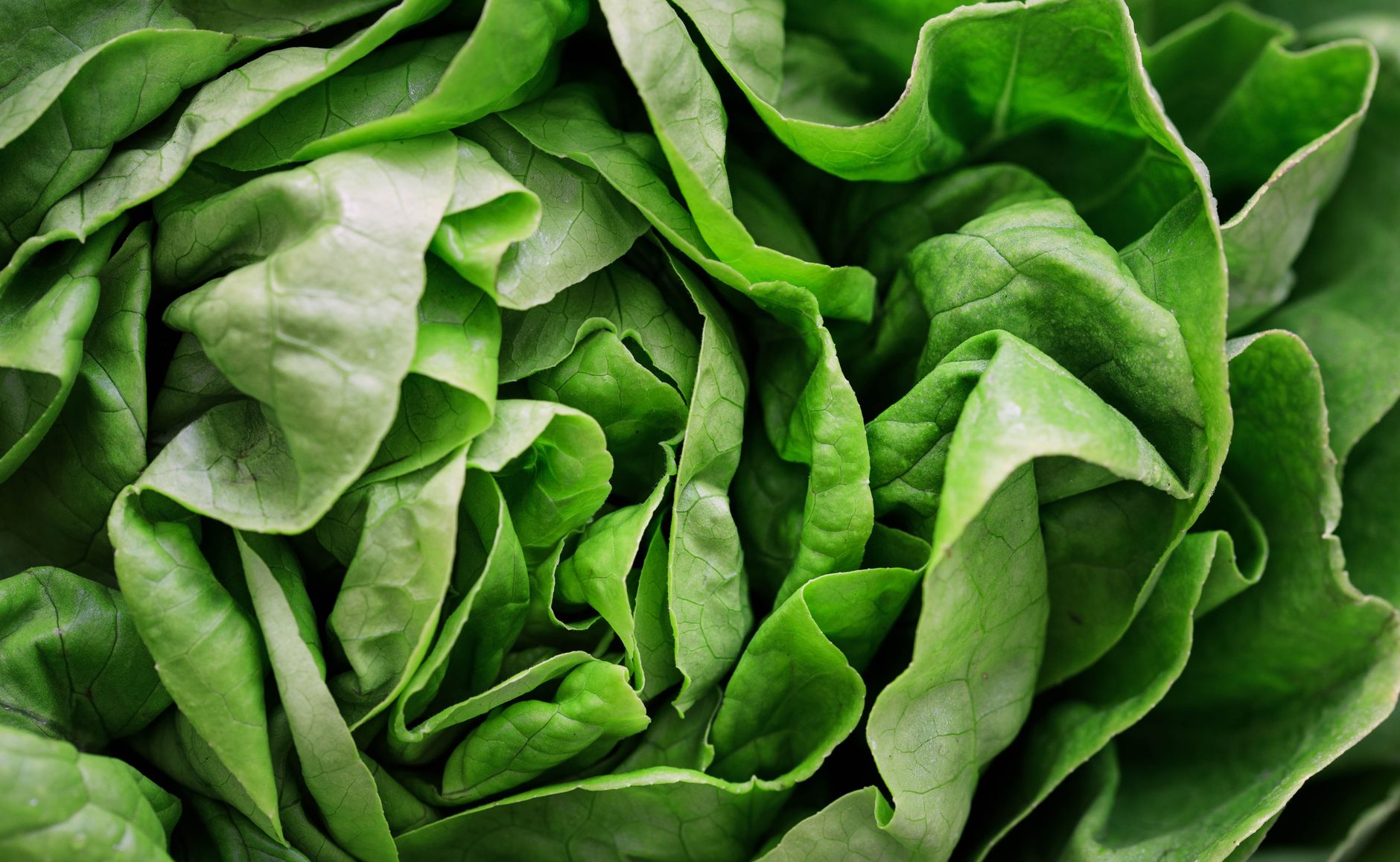
Lettuce is a staple in many diets worldwide, often featuring in salads, sandwiches, and wraps. However, food safety concerns can sometimes cast doubt on whether this leafy green is safe to eat. With various factors like seasonality, potential contamination, and handling practices influencing its safety, it’s essential to understand when it’s best to serve this crisp vegetable.
In this article, we will delve into the factors that affect the safety of lettuce, how to choose and store it properly, and when it’s best to avoid it altogether. Ensuring that the lettuce you consume is safe makes for happier meals and healthier eating.
Is Lettuce Safe To Eat Yet?
Yes, lettuce can be safe to eat, but its safety depends on several factors such as where it was grown, how it was handled, and how fresh it is. Checking for any signs of spoilage and following proper cleaning techniques will help ensure that your lettuce is safe for consumption.
Understanding Lettuce Risk
Before diving into safety tips, it’s vital to understand why lettuce can be a source of concern. Lettuce has been associated with foodborne illnesses due to contamination from pathogens like E. coli and Salmonella. These bacteria can thrive in the soil where lettuce is grown or can be introduced during processing and handling.
Common Sources of Contamination
- Soil: Contaminants can come from the soil where lettuce is grown, especially if livestock manure is used as fertilizer.
- Water: Irrigation practices using contaminated water can introduce pathogens.
- Handling: Cross-contamination during washing and packaging can lead to foodborne illnesses.
Seasonal Considerations
The season can also play a role in lettuce safety. Fresh lettuce is generally available year-round; however, spring and fall are peak seasons. During warmer months, lettuce can be more susceptible to pests and pathogens. Pay special attention to recalls or health advisories related to lettuce during these times.
Choosing Safe Lettuce
When shopping for lettuce, there are ways to ensure you select a safe and high-quality product. Follow these tips when you’re at the grocery store or farmer’s market.
Visual Inspection
Before purchasing, inspect the lettuce. Look for:
- No signs of wilting or discoloration
- Firm, bright leaves free from dark spots or sliminess
- A intact stem, which is often an indicator of freshness
Packaging and Labels
If you’re buying prepackaged lettuce, check the expiration date. Additionally, look for labels indicating that the product has been washed or prepped safely. Organic or locally sourced lettuce may also undergo less processing, making it a safer choice.
Washing Lettuce Safely
Even if you purchase prewashed lettuce, it’s a good practice to wash it again at home. This removes any lingering bacteria and pesticides. Follow these steps for effective washing:
- Start by washing your hands with soap and warm water for at least 20 seconds.
- Remove any damaged or wilted outer leaves from the lettuce.
- Fill a clean bowl with cold water and submerge the lettuce leaves, swishing them gently to remove any dirt.
- Transfer the lettuce leaves to a colander and rinse them under cold running water.
- Pat the leaves dry with a clean paper towel or spin them in a salad spinner.
Storing Lettuce Properly
Storage conditions can impact the safety and longevity of your lettuce. Here’s how to store it effectively:
Refrigeration
Lettuce should be stored in the refrigerator as soon as possible. Follow these guidelines:
- Keep lettuce in the vegetable drawer, where humidity levels maintain freshness.
- Store unwashed lettuce in a plastic bag or container to prevent moisture loss, keeping it loose to allow for air circulation.
- Avoid washing the lettuce before storing, as excess moisture can lead to spoilage.
Monitoring Freshness
Always check your lettuce before you consume any. If it feels slimy, looks brown, or has off odors, it’s best to discard it. Freshness can generally last about 3-7 days in the refrigerator, but this may vary.
Recalls and Food Safety Alerts
Stay informed about any recalls or food safety alerts related to lettuce. The Centers for Disease Control and Prevention (CDC) and the Food and Drug Administration (FDA) often issue warnings about specific tainted batches of lettuce. To reference recalls and alerts, visit their official websites regularly.
When to Avoid Lettuce
Certain situations should lead you to avoid consuming lettuce altogether:
- If it is past the expiration date on the packaging.
- If you notice any signs of spoilage, such as sliminess, unusual smells, or discoloration.
- If there has recently been a public health alert regarding the lettuce variety you have.
Cooking with Lettuce
Cooking lettuce is an uncommon practice since it is typically served raw. However, there are ways to incorporate it into cooked dishes safely:
Stir-fries and Sautés
Stir-frying or sautéing lettuce can create a unique texture and flavor. It wilts down significantly; thus, it’s often added towards the end of cooking. Romaine and iceberg varieties work well for this method. Here’s how to do it:
- Heat oil in a pan over medium heat.
- Add garlic or onions for flavor and sauté until fragrant.
- Add chopped lettuce and cook briefly, just until it wilts.
- Season with salt and pepper before serving.
Grilled Lettuce
Grilled lettuce is a surprising treat. Using romaine or iceberg works best. Here’s how:
- Preheat your grill to medium-high heat.
- Cut lettuce heads in half lengthwise, keeping the core intact.
- Brush with oil and season with salt and pepper.
- Grill cut-side down for about 2-3 minutes until charred but still crispy.
- Serve warm with your favorite dressing or toppings.
Practical Substitutions for Lettuce
If you’re uncertain about the safety of your lettuce or want to vary your meals, consider alternatives:
- Greens: Kale, Swiss chard, or spinach can replace lettuce in salads.
- Herbs: Fresh herbs like basil and cilantro can add flavor to any dish instead of greens.
- Wraps: Collard greens or cabbage leaves can be used as wraps for sandwiches or fillings.
Common Mistakes and Troubleshooting
Even with the best of intentions, mistakes can happen. Here’s how to avoid common pitfalls when working with lettuce:
- Not washing enough: Ensure thorough washing for all types of greens.
- Storing with moisture: Excess moisture can cause spoilage; store lettuce dry.
- Ignoring recalls: Stay informed about any public health alerts related to lettuce consumption.
Creative Ways to Use Lettuce in Meals
Lettuce is versatile and can enhance various meals. Here are some ideas:
- Salads: Use a mix of different lettuce types for texture and flavor.
- Wraps: Use leaves instead of bread for a lighter alternative.
- Toppings: Chop finely to top sandwiches or burgers for a refreshing crunch.
Summary
Lettuce can be a safe and nutritious addition to your diet when handled and stored properly. Always check for signs of spoilage, wash thoroughly before consumption, and stay informed about recalls or health advisories. If unsure about its freshness, feel free to explore alternatives and substitutions.
For those looking to try new ideas and recipes, check out our wilted lettuce recipe and learn how to incorporate dandelion greens for a fresh twist on your meals.