
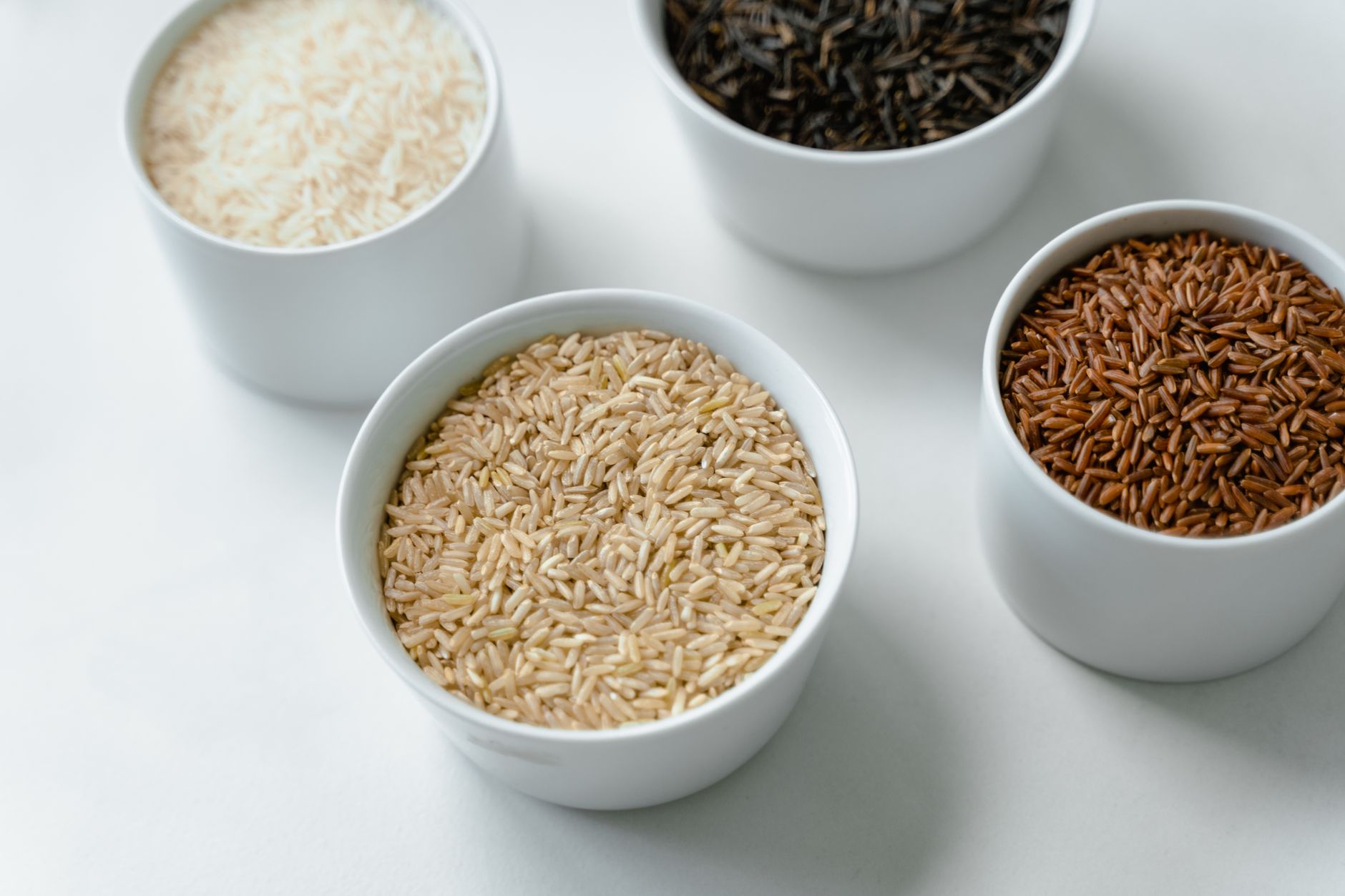
Brown rice is often hailed as a healthier alternative to white rice, especially for individuals managing diabetes. It is a whole grain, containing more fiber, nutrients, and antioxidants compared to its refined counterpart. Understanding its effects on blood sugar levels and overall health can help those with diabetes make informed choices about their diet.
This article will explore whether brown rice is suitable for diabetics, considering its nutritional profile, glycemic index, potential benefits, and practical tips for incorporating it into your diet.
Is Brown Rice Good For Diabetics?
Yes, brown rice can be a good option for diabetics. Its higher fiber content and lower glycemic index make it less likely to cause spikes in blood sugar levels when consumed. This makes it a better choice compared to white rice, which has been stripped of its nutrients and fiber during processing.
Nutritional Comparison of Brown Rice and White Rice
To understand the benefits of brown rice for diabetics, it’s crucial to compare its nutritional profile to that of white rice. Below is a basic comparison based on a one-cup serving of cooked rice.
| Nutrient | Brown Rice | White Rice |
|---|---|---|
| Calories | 218 | 205 |
| Carbohydrates | 45g | 45g |
| Fiber | 3.5g | 0.6g |
| Protein | 5g | 4g |
| Fat | 1.6g | 0.4g |
| Glycemic Index (GI) | 50 | 73 |
Brown rice is denser in nutrients and fiber, which plays a crucial role in its benefits for blood sugar management. The higher fiber content aids digestion and helps regulate blood sugar levels. Additionally, the glycemic index of brown rice is significantly lower than that of white rice, indicating a slower release of glucose into the bloodstream.
The Glycemic Index and Fiber
The glycemic index (GI) is a ranking of carbohydrates based on their immediate effect on blood glucose levels. Foods with a low GI (55 or less) are preferable for diabetics as they produce smaller changes in blood sugar. Brown rice falls within this category, whereas white rice typically has a high GI.
Fiber is another essential component of brown rice. There are two types of dietary fiber: soluble and insoluble. Brown rice contains both, but its high insoluble fiber helps manage blood glucose levels, promotes gut health, and aids in weight management. Adequate fiber intake can contribute to feelings of fullness, which is beneficial for those trying to maintain a healthy weight.
Health Benefits of Brown Rice for Diabetics
Incorporating brown rice into a diabetic diet comes with multiple health benefits, some of which include:
- Improved Blood Sugar Control: The fiber in brown rice can help stabilize blood sugar levels, reducing spikes after meals.
- Heart Health: Brown rice is rich in antioxidants and has been shown to lower the risk of cardiovascular diseases, which is especially important as diabetics are at a higher risk.
- Weight Management: Higher fiber content can increase feelings of fullness, helping with weight management.
- Reduced Risk of Complications: Regular consumption of whole grains like brown rice could lower the risk of developing diabetes-related complications.
Potential Drawbacks of Brown Rice
While brown rice has many benefits, there are some considerations for diabetics
- Portion Control: Even with a low GI, portion sizes matter. Excessive consumption can still lead to elevated blood sugar levels.
- Raw Nutritive Concerns: Brown rice contains phytic acid, which can bind minerals and reduce their absorption. However, soaking or rinsing can mitigate this concern.
- Calories: Since brown rice is calorie-dense, those in weight loss programs should be mindful of the amounts consumed.
Incorporating Brown Rice into a Diabetic Diet
Incorporating brown rice into meals can be easy and enjoyable. Here are some practical tips:
- Start Slow: If you’re new to brown rice, start by replacing a portion of your white rice with it, gradually increasing as you adjust to its taste and texture.
- Try Different Cooking Methods: Brown rice can be cooked using various methods such as boiling, steaming, or in a rice cooker. Each method can impart a slightly different texture and flavor.
- Use in Balanced Meals: Combine brown rice with lean proteins, healthy fats, and plenty of vegetables to create well-rounded meals.
- Flavor it Up: Enhance the flavor of your brown rice by cooking it in vegetable or chicken broth instead of water, or adding spices and herbs.
- Batch Cooking: Prepare larger batches of brown rice and store portions in the refrigerator or freezer for easy access during meal prep.
Simple Brown Rice Preparation Guide
Cooking brown rice is straightforward. Here’s a simple guide to help you prepare it perfectly every time:
Ingredients
- 1 cup brown rice
- 2 cups water or broth
- Salt (optional, to taste)
Essential Equipment
- Stovetop pot with lid
- Measuring cups
- Fork for fluffing
Instructions
- Rinse the brown rice under cold water in a fine-mesh sieve to remove excess starch.
- In a pot, bring 2 cups of water or broth to a boil.
- Add the rinsed brown rice and a pinch of salt (if using) to the boiling water.
- Once it returns to a boil, reduce the heat to low, cover the pot, and simmer for about 45-50 minutes, until the rice is tender and the water is absorbed.
- Remove from heat and let it sit covered for about 10 minutes. Then, fluff the rice with a fork before serving.
Feel free to adapt cooking times and liquid amounts based on your specific brown rice variety, as cooking times may vary slightly between types.
Substitutions and Variations
If you are looking to diversify your meals, consider these substitutions and variations:
- Wild Rice: This is another whole grain alternative packed with nutrients and fiber.
- Quinoa: Higher in protein and a complete protein source, quinoa makes an excellent substitute for brown rice in salads and bowls.
- Cauliflower Rice: For a low-carb option, finely chopped cauliflower can mimic the texture of rice and provide additional vegetables.
- Basmati Rice: While it’s still a carbohydrate, basmati rice is slightly lower in GI than regular white rice, making it an occasional alternative for diabetics.
Common Mistakes When Cooking Brown Rice
Here are some common pitfalls to avoid when cooking brown rice:
- Not Rinsing: Rinsing helps remove excess starch and prevent clumpiness.
- Incorrect Water Ratio: Always follow the appropriate water-to-rice ratio, as too little water will make the rice undercooked and too much will lead to mushy rice.
- Skipping the Resting Step: Letting the rice sit post-cooking allows for better texture and flavor absorption.
Meal Planning with Brown Rice
When meal planning, brown rice can serve as a versatile base in various dishes, such as:
- Stir-fries: A great addition to vegetable and protein-packed stir-fries.
- Salads: Mixed with beans, vegetables, and a light dressing for a wholesome salad.
- Curries and Stews: A hearty side to complement stews and curries.
- Stuffed Peppers: Use cooked brown rice as a filling for stuffed peppers along with herbs and spices.
Batch cooking brown rice can streamline your meal prep, making it easier to incorporate into lunches, dinners, or snacks throughout the week. Store any leftover cooked rice in an airtight container in the refrigerator for up to four days or freeze for long-term storage.
Conclusion
In summary, brown rice is a nutritious option for diabetics that can assist in blood sugar regulation if consumed in moderation. Understanding its benefits, drawbacks, and various ways to incorporate it can lead to healthier meal choices and improvements in overall health.
Consider adding versatile dishes using brown rice to your weekly meal plan, such as stir-fries, salads, or stuffed vegetables. This whole grain can be a flavorful and satisfying part of a balanced diet for those managing diabetes.
Explore more recipes and cooking tips related to healthy grains at Mama’s Secret Recipes, such as our Instant Pot Brown Rice Recipe or learn about gluten-free alternatives in our guide on Basmati Rice.