
The concept of the healthiest food often varies depending on individual dietary needs, preferences, and cultural factors. However, some foods consistently show health benefits supported by research. These foods are rich in essential vitamins, minerals, fiber, and antioxidants while being relatively low in calories.
In this comprehensive guide, we will explore various categories of healthy foods, discuss their health benefits, and provide insight into how you can incorporate them into your daily diet for optimal nutrition.
What Is The Healthiest Food?
The healthiest foods are generally those that provide a high density of nutrients in relation to their calorie content. This includes fruits, vegetables, whole grains, lean proteins, and healthy fats. Each of these categories offers unique health benefits, helping to promote overall well-being and prevent chronic diseases.
Fruits: Nature’s Sweetness
Fruits are not only delicious but also packed with vitamins, minerals, and fiber. They are an excellent source of antioxidants, which help combat oxidative stress and inflammation.
Top Healthy Fruits
- Blueberries: High in antioxidants, particularly anthocyanins, which may contribute to brain health.
- Apples: Rich in fiber and vitamin C, apples may help lower heart disease risk.
- Bananas: A great source of potassium, which is vital for heart health and muscle function.
- Avocados: Packed with healthy monounsaturated fats, vitamins E and C, and fiber.
- Oranges: High in vitamin C, potassium, and fiber, oranges support immune health.
Incorporating Fruits Into Your Diet
- Add blueberries to your morning oatmeal or yogurt.
- Pack an apple for a quick and healthy snack at work or school.
- Blend avocados into smoothies for creaminess and healthy fats.
- Use orange segments in salads for a burst of freshness.
Vegetables: The Powerhouses of Nutrition
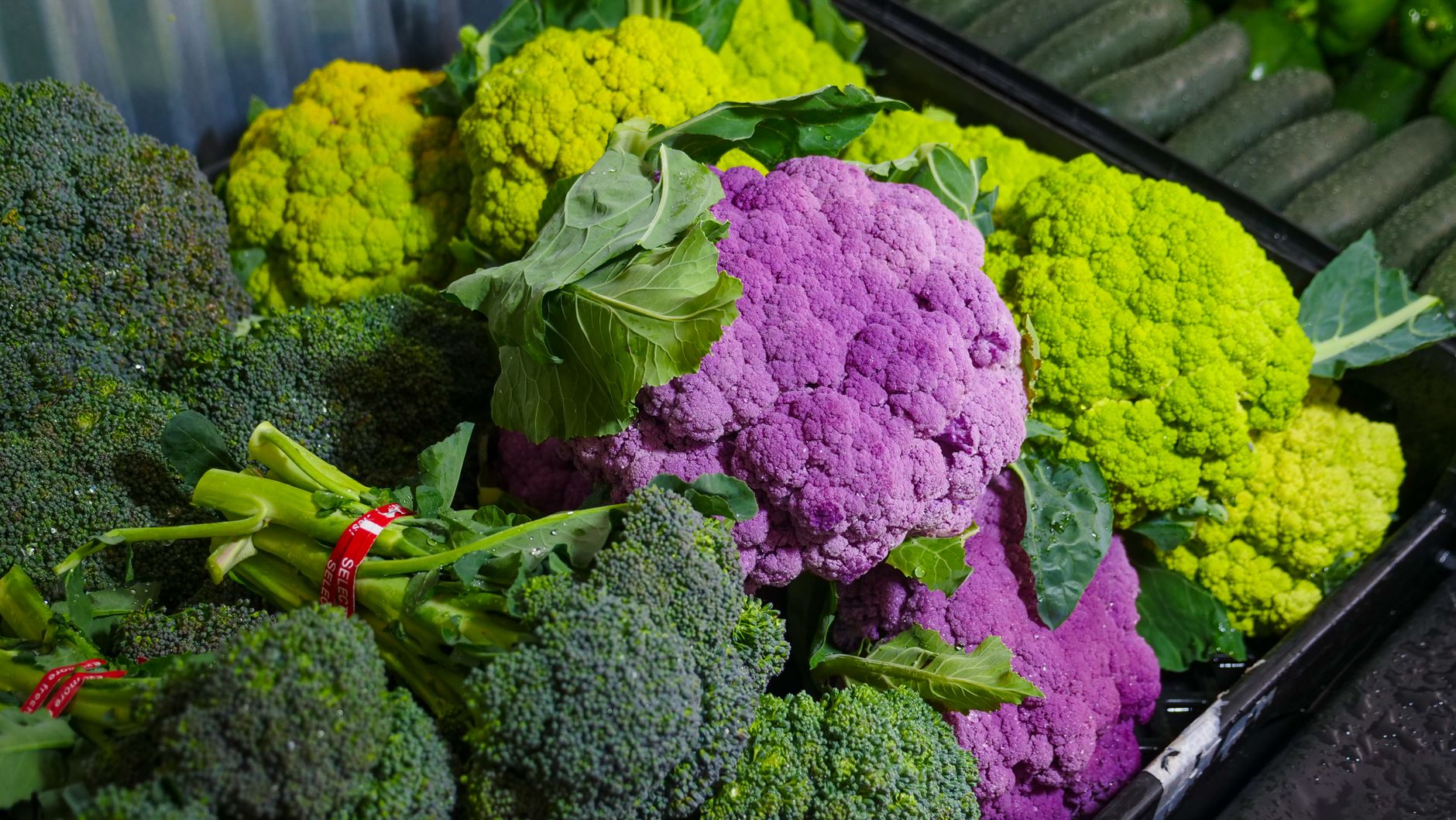
Vegetables are essential for a balanced diet and rich in vitamins, minerals, fiber, and phytonutrients. They are low in calories and can help reduce the risk of chronic diseases.
Top Healthy Vegetables
- Spinach: Loaded with vitamins A, C, K, and minerals like iron and magnesium, spinach is excellent for eye health.
- Broccoli: Contains sulforaphane, which may help protect against cancer.
- Carrots: High in beta-carotene, which contributes to eye health and immune function.
- Sweet Potatoes: A rich source of fiber, vitamins A and C, and antioxidants.
- Kale: High in vitamins K, A, and C and contains compounds that may lower cholesterol.
Incorporating Vegetables Into Your Diet
- Start your day with a vegetable-packed omelet or scramble.
- Incorporate leafy greens like spinach or kale into smoothies.
- Add steamed broccoli or roasted sweet potatoes as sides to main dishes.
- Experiment with stir-fries to increase vegetable variety in your meals.
Whole Grains: Energizing Nutrients
Whole grains are an important source of complex carbohydrates, fiber, and a variety of vitamins and minerals. They assist in maintaining steady energy levels and digestive health.
Top Healthy Whole Grains
- Quinoa: A complete protein containing all nine essential amino acids and high in fiber.
- Brown Rice: Provides more nutrients than white rice, including fiber, magnesium, and selenium.
- Oats: Rich in beta-glucan, which can lower cholesterol and promote heart health.
- Barley: High in fiber and can help regulate blood sugar levels.
- Whole Wheat: Contains more nutrients than processed wheat and provides sustained energy.
Incorporating Whole Grains Into Your Diet
- Start your day with a bowl of oatmeal topped with fruits and nuts.
- Replace white rice with brown rice or quinoa in your meals.
- Use whole grain bread or wraps for sandwiches and snacks.
- Add barley to soups and salads for added texture and nutrition.
Lean Proteins: Essential Building Blocks
Protein is crucial for building and repairing tissues, making it an essential component of a healthy diet. Lean sources of protein contribute less saturated fat compared to red meat and full-fat dairy products.
Top Healthy Lean Proteins
- Chicken Breast: A low-fat source of protein that supports muscle growth and repair.
- Fish: Particularly fatty fish like salmon and mackerel, which are high in omega-3 fatty acids.
- Legumes: Such as lentils and chickpeas, providing protein and fiber without the fat.
- Tofu: A plant-based protein that is versatile and can absorb flavors well.
- Greek Yogurt: Higher in protein than regular yogurt and contains probiotics for gut health.
Incorporating Lean Proteins Into Your Diet
- Grill chicken or fish as the main protein source for dinner.
- Add legumes to salads or as a base for veggie burgers.
- Include Greek yogurt in smoothies or as a snack topped with fruits.
- Experiment with tofu in stir-fries or curries for added protein.
Healthy Fats: Essential for Brain Health
Not all fats are created equal. Healthy fats from natural sources are vital for brain function, hormone synthesis, and nutrient absorption. Key sources include nuts, seeds, avocados, and olive oil.
Top Healthy Fats
- Olive Oil: Rich in monounsaturated fats and antioxidants, beneficial for heart health.
- Nuts: Such as almonds and walnuts, packed with healthy fats, fiber, and protein.
- Seeds: Flaxseeds and chia seeds are excellent sources of omega-3 fatty acids and fiber.
- Avocado: Offers healthy fats and is versatile for various dishes.
- Coconut Oil: Contains medium-chain triglycerides (MCTs) that can provide quick energy.
Incorporating Healthy Fats Into Your Diet
- Use olive oil as your primary cooking oil or salad dressing.
- Add nuts to salads, yogurt, or smoothies for extra crunch and flavor.
- Incorporate seeds into baked goods or sprinkle them on oatmeal.
- Enjoy avocado on toast or in sandwiches for creaminess and healthy fats.
Common Misconceptions About Healthy Foods
When discussing healthy foods, several misconceptions can arise that may hinder our understanding of nutrition.
Myth 1: All Fats Are Bad
While saturated and trans fats should be limited, unsaturated fats found in foods like olive oil and avocados play a crucial role in health. These fats can improve heart health and provide essential fatty acids.
Myth 2: Carbs Are Bad
Carbohydrates are an essential energy source. The key is to choose whole grains and natural sources over refined carbohydrates, which can lead to spikes in blood sugar.
Myth 3: All Sugars Are Equal
Natural sugars found in fruits and dairy come with vitamins and minerals, whereas added sugars typically come from processed foods and contribute empty calories. Focus on whole foods and moderate added sugar intake.
Meal Planning with Healthy Foods
To maximize the health benefits of your meals, meal planning can streamline the process and ensure that you incorporate a variety of nutritious foods throughout the week.
Steps for Effective Meal Planning
- Make a list of healthy foods you want to include in your meals.
- Plan meals around different protein sources, grains, and vegetables.
- Create a shopping list based on your meal plan to avoid impulse buys.
- Allocate time each week for meal prep, such as chopping vegetables or cooking grains in advance.
- Store prepped ingredients in clear containers in the refrigerator for easy access during the week.
Cooking Techniques to Preserve Nutrients
How you prepare your food can greatly affect its nutritional content. Here are some cooking techniques that help preserve or enhance the nutritional value of healthy foods:
Steaming
This method helps retain flavor, color, and nutrients while minimizing the need for added fats. Steaming vegetables is particularly effective as it protects water-soluble vitamins.
Grilling
Grilling meats and vegetables can enhance their flavor without the need for excessive oils. Additionally, grilling allows excess fat to drip away from meats.
Sautéing
Quickly sautéing vegetables in a small amount of healthy oil can increase the availability of some nutrients while adding flavor.
Baking
When baking, you can replace refined sugars with natural sweeteners and use whole grain flours to enhance the nutrient profile.
Storage and Reheating Tip
Proper food storage is essential for maintaining the freshness and nutritional value of healthy foods.
- Store fruits and vegetables in the refrigerator to keep them crisp and flavorful.
- Use airtight containers to keep cooked grains and proteins fresh.
- When reheating, use gentle methods such as steaming or microwaving at low power to avoid nutrient loss.
Conclusion
The healthiest foods are a diverse array of fruits, vegetables, whole grains, lean proteins, and healthy fats that collectively foster well-being and vitality. By incorporating these foods into your meals and using effective cooking techniques, you can maximize their nutritional benefits.
To start your journey toward healthier eating, pick one new ingredient or food item discussed and incorporate it into your meals this week. Explore related recipes, cooking tips, or food guides such as the benefits of chia seeds and whether moringa is good for you to further enhance your health and culinary skills.